The best time to visit Nepal depends on what you are seeking to get out of your trip. There is no single perfect season to visit Nepal. Some travelers come for clear mountain views and long treks, while others visit to explore the culture, wildlife, photography opportunities, or to travel on a budget.
Since the weather, altitude, and activities vary drastically over the course of the year, the optimal time of year to visit Nepal is the one that suits the purpose of that travel or one that suits the level of comfort and expectations. This guide helps you understand those differences in order to be able to make the correct choice when it is the right time.
Why Timing Matters More in Nepal Than Most Countries
Timing is especially important when visiting Nepal because of its dramatic variation in elevation. The country ranges from about 60 meters above sea level in the southern plains to 8,848.86 meters at the summit of Mount Everest, the highest point on Earth. That difference changes everything.
One day, you can step out of the hot, tropical lowlands and feel sweat on your back. The next, you are wrapped in layers, breathing thin alpine air. The weather is not uniform. In Kathmandu, it might be cold but sunny, while the high Himalayas could be experiencing heavy snow. Same country. Completely different mood.
That is why there is no single “best month” for everyone. It depends on where you are going and what you want. Trekking to Everest or Annapurna during heavy clouds or bad weather is not ideal.
But cultural cities like Kathmandu or Bhaktapur can still be explored in winter or during the rains. Some travelers don’t mind the cold, while others hate it. Some chase clear skies and festivals, even if it means paying more. Others want fewer crowds and don’t care if flights are delayed. Your tolerance for rain, cold, dust, and crowds matters more than people think.
Nepal has four main seasons: spring, summer or monsoon, autumn, and winter. Autumn brings the clearest mountain views and biggest crowds. Spring brings blooming rhododendrons and warmer days, though skies can be hazy. Monsoon is wet and unpredictable, but the hills turn incredibly green and prices drop. Winter is cold in the mountains but peaceful, with quiet trails and better conditions for lowland travel.
There is no perfect season. Only the season that fits you. The rest of this guide will help you figure that out once you decide what kind of Nepal you want to experience.
Understanding Nepal’s Climate & Seasons
Nepal’s climate is shaped mainly by two things: unusual topography and a crazy altitude range. The country is built in height, not width. The flat southern plains rise before suddenly reaching the highest mountains on Earth.
Here, climate changes more because of altitude than distance. You don’t have to travel far. You just go up. A few hours on the road and everything shifts. You can feel tropical heat in the morning, enjoy a mild breeze by afternoon, and see snow on distant peaks. That’s Nepal. Vertical. Intense. Beautiful.
First, the Terai. The southern lowlands are hot and humid. In summer, temperatures can rise above 35°C, and during the monsoon, the air feels heavy. The region looks almost tropical, with wide plains and wildlife reserves like Chitwan.
Then you move north into the hills and valleys, including Kathmandu and Pokhara. The weather becomes cooler and more balanced. Spring and autumn are especially pleasant. Not too hot, not too cold.
Further north, the Himalayas bring high altitude, thin air, cold winds, and unpredictable weather. Winter snowfall can block trails, making trekking and climbing highly seasonal.
Nepal has four main seasons, but they don’t feel the same everywhere.
- Spring, March to May: Warm and colorful, with rhododendrons blooming across the hills. Trekkers love it.
- Monsoon, June to August: Heavy rain, especially in the hills. Landslides happen and flights can be delayed. Some rain-shadow areas remain relatively dry, while the landscape turns deep green.
- Autumn, September to November: Cool and clear, generally considered the best time to visit Nepal, with clear mountain views and stable weather, but also large crowds.
- Winter, December to February: Dry but cold, especially at higher elevations. Some mountain passes close because of snow, while the lowlands and cultural cities can be peaceful.
Best Time to Visit Nepal by Season
Travel in Nepal does not feel the same throughout the year. Not even close. Weather shifts, visibility changes, trails open and close, prices go up, and crowds come and go. It’s dynamic.
There is no single “best” time to visit Nepal. Only the best time for you. Four seasons shape the country. Each one suits a different type of traveler. Knowing this helps. A lot.
Autumn (September–November): Peak Season
Autumn is often called the best season, especially for first-time visitors. And honestly, it’s easy to see why.
After the monsoon ends in early September, the skies clear. Properly clear. The air feels fresh. Days are sunny but not too hot. Nights are cool and comfortable. Everything feels stable. Predictable. Safe.
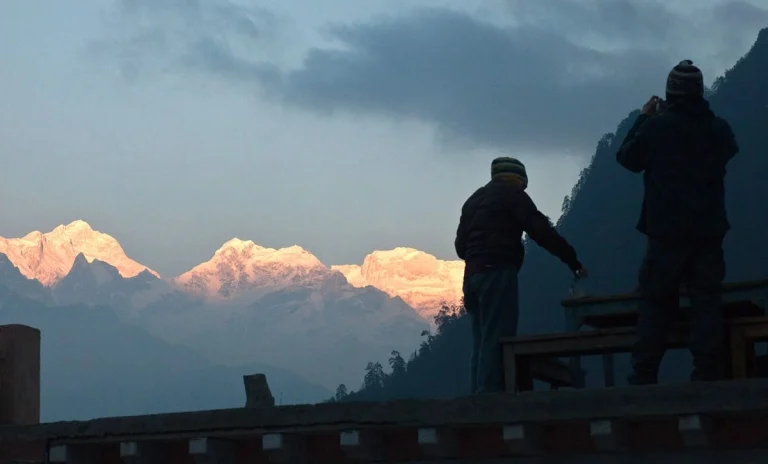
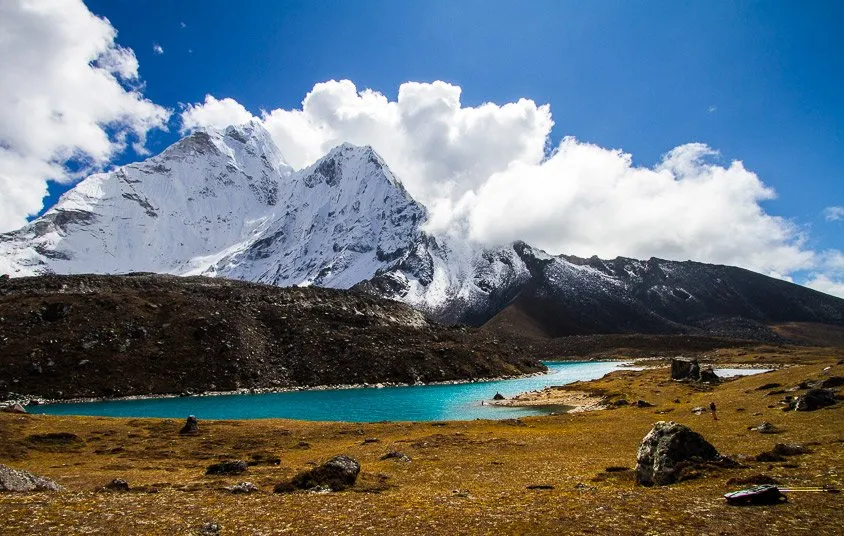
Mountain views are at their best in autumn. Everest. Annapurna. Manaslu. Snow-capped and sharp against the blue sky. You can see them from trekking routes, from hill viewpoints, sometimes even from cities on clear mornings. Photographers love this time, and trekkers too.
Trails are dry, river crossings are safer, and high passes are usually open. But here’s the trade-off. Crowds. Popular routes get busy. Teahouses fill up quickly. Flights and hotels cost more. Autumn is perfect if you want the “classic Nepal experience” and don’t mind sharing it with many others.
Spring (March–May): Colorful and Lively
Spring is the second favorite. Some people even prefer it over autumn.
When winter fades, temperatures begin to rise. Hills turn colorful with blooming rhododendrons, Nepal’s national flower. Trails in Annapurna and Langtang feel alive.
The weather is generally pleasant in the hills and mountains. Planning a trek is easier because conditions are mostly stable. Snow melts at higher elevations, and several routes reopen. It’s also peak mountaineering season. Many Everest expeditions happen in spring due to relatively predictable weather.
There is one downside. Pre-monsoon haze. As temperatures rise, moisture builds in the air. Mountain views at lower altitudes may not be perfectly sharp. At higher elevations, visibility is still good, just not always crystal clear like autumn.
Spring has slightly fewer crowds and somewhat lower prices than autumn. It suits travelers who enjoy colorful landscapes, moderate weather, and a balanced atmosphere.
Winter (December–February): Quiet and Strategic
Winter is often ignored, which is a mistake, sometimes.
Yes, it’s cold, especially in the mountains. Heavy snow can close high passes and make some treks impossible. That part is true. But winter is also the driest season. Clear skies are common, and rain is rare.
Cold and clarity go together here. The air becomes crisp. On clear days, mountain views can be stunning. In lower areas like Kathmandu Valley and the Terai, winter is cool but manageable. Good for cultural tours. Comfortable for sightseeing if you dress properly.
Lower and mid-altitude treks such as Ghorepani–Poon Hill or short hikes near Kathmandu are still possible. Hotels are less crowded. Rooms are easier to find, and prices are lower. Winter works well for travelers who prefer peace and don’t mind chilly mornings.
It’s not ideal for extreme high-altitude adventures. But for culture, photography, and quiet travel, it can be surprisingly good.
Monsoon / Summer (June–August): The Most Misunderstood
Monsoon has a bad reputation. Not entirely unfair. But not completely accurate either.
During these months, much of central Nepal, especially the hills and Terai, receives heavy rainfall. Roads can get muddy, trails become slippery, and leeches appear in forest areas. Landslides may interrupt transport. Domestic flights are more likely to be delayed. It can feel chaotic.
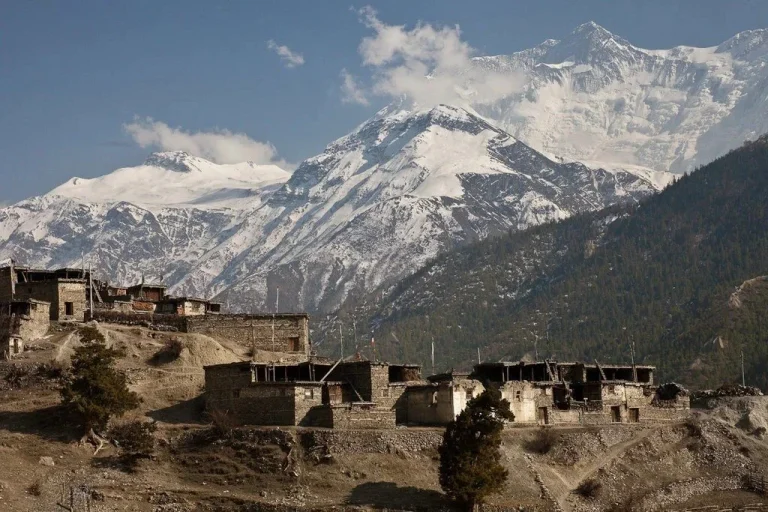
But rainfall is not evenly distributed across the country. Some rain-shadow regions, like Upper Mustang and Dolpo, remain relatively dry. Trekking is still possible there. Landscapes look dramatic. Cultural experiences feel authentic and less crowded.
Monsoon also brings benefits. Prices drop. Tourist numbers decrease significantly. Nature turns incredibly green. Rivers swell, waterfalls roar, and rice fields glow. For photographers and slow travelers, this season has a different kind of magic.
It is also ideal for budget-conscious travelers who don’t mind occasional rain and flexible plans.
Best Time to Visit Nepal by Travel Purpose
Once you match what you desire to experience in Nepal with the timing of your visit, it becomes simpler to select the appropriate time to visit this country. All the activities, including trekking, climbing, culture, wildlife, and luxury travel, are all weather-dependent and dependent on the number of people and their accessibility. Here’s a purpose-based breakdown that would be helpful in planning.
Trekking & Hiking
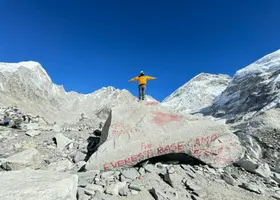
- Everest Region: The Fall (September-November) or spring (March-May) are the best seasons to go trekking in the Everest region. These are the months when the weather is stable, the mountain view is excellent, and the trail is safe. Autumn is less cloudy, and spring is a bit warmer and has more climbers. Extreme cold and heavy snowfall during winter can reduce visibility and increase flight delays.
- Annapurna Region: The diverse nature helps in making the Annapurna region more flexible as compared to Everest. Autumn and spring are perfect, and lower-altitude routes are accessible in winter. The monsoon is associated with green scenery, dirty paths, and leeches. The Annapurna region can be reached by road, and hence disruption of the weather can be controlled more easily than in other isolated places.
- Langtang: Langtang is close to Kathmandu and is not very crowded. The most suitable seasons for trekking are autumn and spring, which have good visibility and temperature. In lower altitudes, winter trekking can be done, yet the higher routes can be blocked due to heavy snowfall. During the monsoon, the access roads can be hit by landslides, and hence timing is of particular significance.
- Restricted Regions (Upper Mustang & Dolpo): These areas are special. They sit in rain-shadow regions. That means they stay dry during the monsoon (June–August), when most trekking routes are soaked. The skies are clear. The crowds are few. Permits are expensive and limited. But the payoff? Huge. You save time and enjoy a calmer, more unique experience.
Tours (Culture, Nature & Easy Experiences)
Tours in Nepal don’t require perfect weather like trekking or climbing does. This makes tourism here versatile and possible all year round. You can explore the country in any season—cultural cities, wildlife parks, or short nature hikes. Still, it helps to understand how weather, crowds, and temperatures can affect comfort and overall experience.
- Kathmandu Valley: Autumn and spring are perfect. The weather is clear, and the skies are blue. Winter is good too. Days aren’t too hot. Few tourists around. Temples, squares, and heritage sites are easy to explore. Monsoon does arrive, yes. But the valley turns green and calm. Some travelers actually love that vibe.
- Lumbini (Cultural & Spiritual Tours): Best visited between October and March. Cool, calm weather makes walking tours enjoyable. Summer gets hot. Walking under the sun can be tiring. Winter is quiet. Perfect for spiritual and cultural travelers.
- Chitwan National Park (Wildlife Safaris): October to March works best. Vegetation is lower. Temperatures moderate. Rhinos, deer, crocodiles, sometimes tigers—easier to spot. Monsoon turns the park green. Beautiful. But thick vegetation reduces visibility. Some safari routes may be hard to reach.
- Phulchowki Hiking (Easy Nature Experience): Easy hike, close to Kathmandu. Spring and autumn are preferred. Spring has flowers and birds. Autumn offers clear valley views. Winter mornings can be cold. Monsoon hikes? Green, dramatic, but slippery. Watch your step.
Practical Planning Tips for International Travelers
When planning your trip to Nepal, flexibility is key. The weather can change fast. Topography can surprise you. Infrastructure can vary depending on the season.
Being able to plan as you go eases anxiety, saves time, and helps you make the most of your day—whether you’re hiking, sightseeing, or just soaking in nature. You’ll travel with more confidence and comfort if you take seasonal realities into account.
Book flights and popular treks well in advance if you’re going in autumn or spring.
- Build “weather delay” days into your itinerary.
- Get travel insurance that covers trekking, altitude sickness, and flight cancellations.
- Expect domestic flights to be delayed more often during the monsoon and in the mornings.
- If winter travel interests you, our guide to snowfall places in Nepal covers where to actually find snow.
- Pack clothing according to both the altitude and season—not just the general season.
FAQs
1. Do festivals affect the best time to visit Nepal?
Yes. Big festivals like Dashain and Tihar fall between September and November. Nepal becomes lively and vibrant, but transportation can get congested, and some businesses may close.
2. Is Nepal suitable for first-time international travelers year-round?
Yes, Nepal can be visited all year round. But first-time travelers are usually most comfortable in seasons with predictable weather and minimal disruptions in transport and services.
3. How far in advance should I plan a trip to Nepal?
It depends on when and how you travel. For high trekking seasons or international holidays, book 3–6 months ahead. For off-season trips, booking closer to your travel date works. Visa-on-arrival makes last-minute travel easier, but flights and rentals may still be full during peak times.
4. Does air pollution or visibility affect travel at certain times?
Yes. Air quality can impact city travel. Mountains may be hidden in clouds for some months. Urban areas can be smoggy. Monsoon rains help clear the air. If photography or scenic views matter, check visibility along with weather predictions before planning.
5. Is Nepal a good destination for slow travel or long stays?
Absolutely. Nepal is ideal for slow travelers who want to spend weeks or even months exploring. People are friendly. The cost of living is low. There’s plenty to do, from cultural sites to off-the-beaten-path adventures.