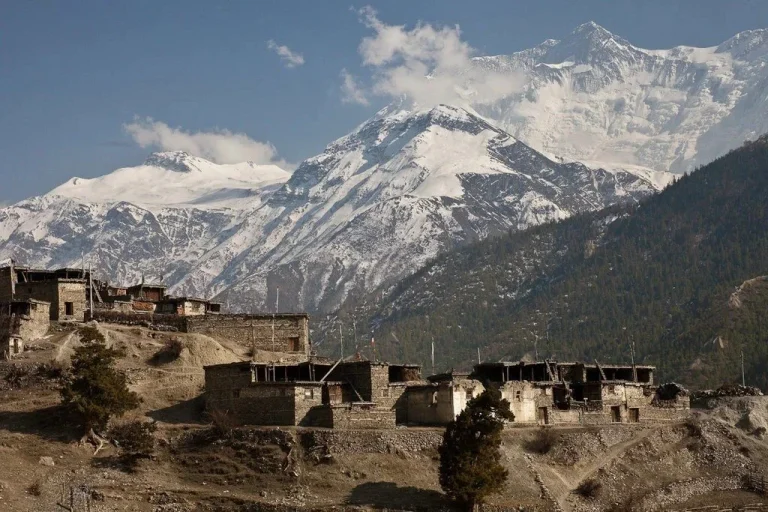

The Annapurna Base Camp Trek is fairly hard. Most trekkers walk 5 to 7 hours a day on steep stone staircases, hike through forested ridgelines, and climb to a final altitude of 4,130 metres at Annapurna Base Camp. The trek requires no technical hiking skills, ropes, or prior mountain-climbing experience, so it remains within reach of beginners who prepare properly.
Fit trekkers with reasonable cardiovascular fitness typically find the trek very manageable and even enjoyable. People who arrive with no walking experience, forget about acclimatization, or underestimate the Annapurna Base Camp Trek’s steep steps tend to struggle the most, especially during the steep climb near Chhomrong and the final push through the Annapurna Sanctuary.
This guide breaks down difficulty into its actual components: walking hours, stairs, altitude, climate, and mental endurance, so you know exactly what to expect and how to prepare for each.
Quick Answer: How Difficult Is Annapurna Base Camp Trek?
The Annapurna Base Camp Trek has an overall moderate difficulty score. It suits trekkers with average health, no technical mountain climbing experience, and enough time to acclimatize properly over 7 to 12 days on the trail.
| Difficulty Factor | Rating |
|---|---|
| Overall Difficulty | Moderate |
| Fitness Required | Moderate |
| Technical Skills | None |
| Maximum Altitude | 4,130 m |
| Walking Hours | 5–7 hours/day |
| Trek Duration | 7–12 days |
| Altitude Risk | Mild to Moderate |
| Suitable for Beginners | Yes, with preparation |
Compared to high-altitude routes like the Everest Base Camp Trek, ABC stays lower and shorter, which keeps the altitude risk milder. Compared to shorter routes like the Ghorepani Poon Hill Trek, ABC involves more consecutive walking days and a higher final elevation.
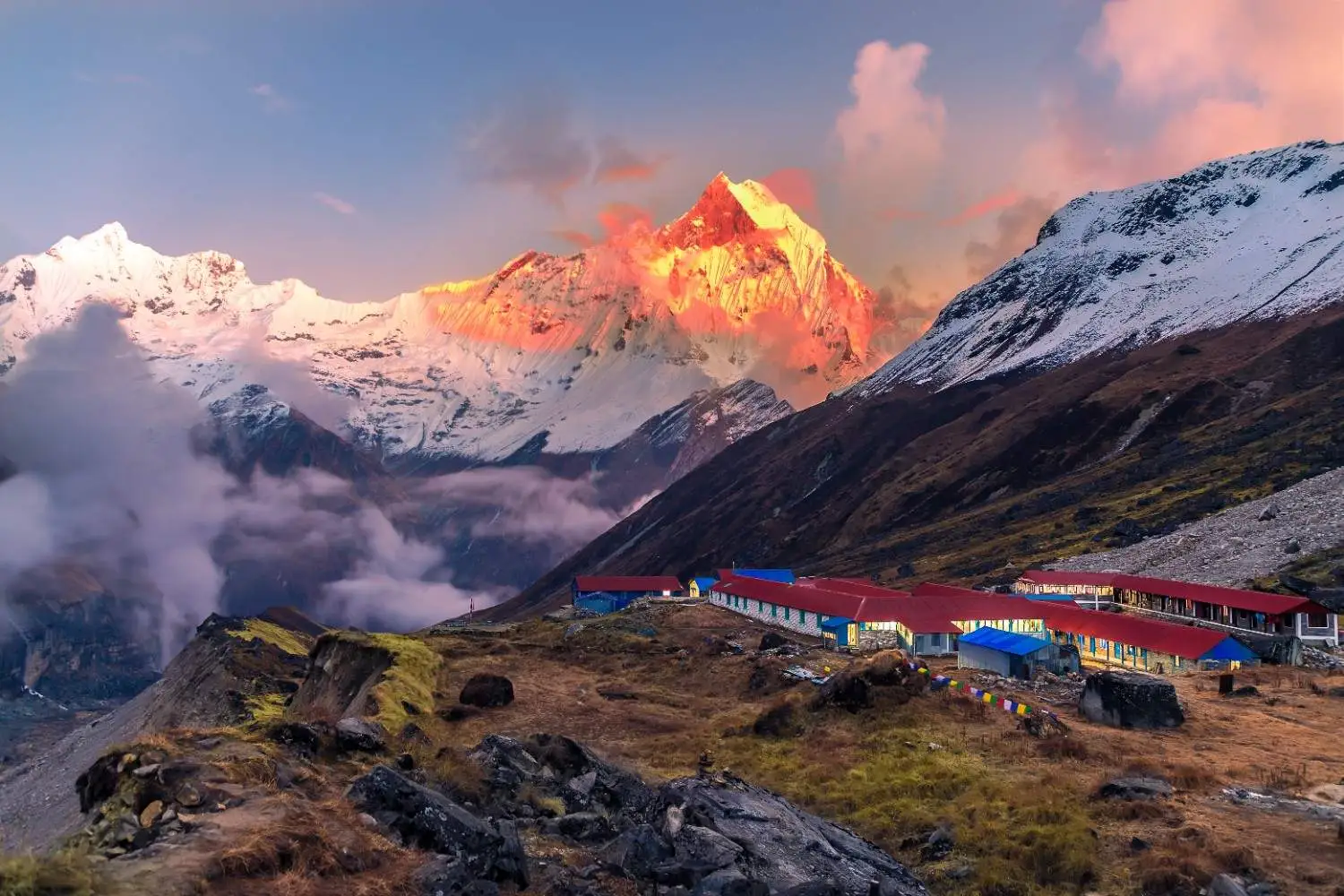
What Makes the Annapurna Base Camp Trek Difficult?
The Annapurna Base Camp Trek is considered moderately difficult due to four main factors: long walking days, thousands of stone steps, high altitude, and changing mountain weather. Each factor affects trekkers differently, so understanding them individually helps you prepare for the challenges you are most likely to face.
Long Days of Walking
Most days on the Annapurna Base Camp Trek involve 5–7 hours of walking, with a few longer days depending on your pace and itinerary. The trail is rarely flat. You climb and descend repeatedly through forested ridgelines, river valleys, and traditional mountain villages, resulting in more elevation gain than the point-to-point distance suggests.
Consecutive hiking days create cumulative fatigue. Your legs often feel the strain more on the third and fourth days than on the first, even though the terrain may appear similar. Uneven trails, loose rocks, and tree-root-covered paths also require constant attention, making the trek mentally demanding as well as physically challenging.
Thousands of Stone Staircases
Steep stone steps define the Annapurna Base Camp Trek more than altitude does for many trekkers. The climb from Ulleri alone includes thousands of stone steps, while the trail through Chhomrong features a steep descent followed by an equally demanding ascent.
Long uphill sections place significant strain on your quadriceps and hips, while downhill sections put continuous pressure on your knees, often feeling more difficult than the climbs themselves. Trekkers who train on stairs or hills before the trek usually find the experience much easier, as strong legs and conditioned joints are more valuable than cardio fitness alone.
High Altitude
Annapurna Base Camp sits at 4,130 m, where thinner air begins to affect most trekkers. Although this elevation is high enough to cause altitude-related symptoms, it is well below the altitude where severe altitude illness becomes significantly more common.
Symptoms of mild acute mountain sickness (AMS), such as headaches, mild nausea, or fatigue, can occur but usually improve with a slower pace, proper hydration, and adequate acclimatization. Compared to treks that exceed 5,000 m, the risk of serious altitude illness on the Annapurna Base Camp Trek remains relatively low.
Weather Conditions
Weather can significantly influence the difficulty of the trek. Spring and autumn generally offer stable conditions, dry trails, and clear mountain views, making the trek more comfortable. Winter brings colder temperatures and occasional snow at higher elevations, increasing the physical challenge. During the monsoon season, heavy rain, leeches, and slippery stone steps make the trek considerably more demanding than at any other time of the year.
Which Day Is the Hardest on the Trek?
The hardest day on the Annapurna Base Camp Trek is usually the trek from Deurali to Annapurna Base Camp, closely followed by the Chhomrong to Bamboo section on the way in. Both days combine steep elevation changes with the effects of higher altitude, making them feel more challenging than their distance alone suggests.
The Chhomrong to Bamboo section begins with a long descent over hundreds of stone steps before climbing steeply toward Sinuwa. This continuous descent and ascent often surprises trekkers expecting a gentler start. It places significant strain on the knees and quadriceps before your body has fully adapted to consecutive days of trekking.
The Deurali to Annapurna Base Camp section is shorter in distance but more demanding because of the higher altitude. As you enter the Annapurna Sanctuary, the thinner air naturally slows your pace, while colder temperatures increase the physical challenge. Fatigue accumulated over previous trekking days also becomes more noticeable, making this one of the toughest sections of the journey.
The descent from Annapurna Base Camp back toward Bamboo, which many itineraries complete in a single day, also deserves mention. Although it is not technically difficult, the long downhill walk places continuous pressure on the knees and ankles, especially for trekkers who do not use trekking poles.
Knowing which days require the most effort allows you to pace yourself, rest well the night before, and avoid being caught off guard during the trek.

Can Beginners Complete the Annapurna Base Camp Trek?
Yes, beginners successfully complete the Annapurna Base Camp Trek every trekking season. The trail requires no technical climbing skills, and a well-planned itinerary with proper acclimatization makes it achievable for first-time trekkers in reasonable physical condition.
Fitness is more important than previous trekking experience on this route. Someone who regularly walks, hikes, or participates in sports but has never trekked in the Himalayas often performs better than someone with trekking experience but poor overall fitness. The trail rewards consistent leg strength and cardiovascular endurance rather than technical expertise.
Your pace makes the biggest difference. Walking steadily, taking regular breaks, and following the “climb high, sleep low” principle where appropriate all help reduce fatigue. A guide familiar with the Annapurna Base Camp Trek route can also help beginners maintain a comfortable pace by recognizing signs of fatigue and altitude-related symptoms early.
A well-designed itinerary with realistic daily distances and enough time for acclimatization is just as important as physical fitness. Rushed itineraries are one of the main reasons beginners struggle on this trek, rather than the terrain itself.
If you have never hiked for several consecutive days, carry a daypack, or regularly exercise, you should prepare before the trek. Starting a walking, stair-climbing, or hiking routine 6–8 weeks before departure can significantly improve your trekking experience.
How Fit Do You Need to Be?
You need a moderate level of fitness for the Annapurna Base Camp Trek. The trek requires good leg strength, cardiovascular endurance, and the ability to walk for several consecutive hours on uneven mountain trails. You do not need marathon-level fitness, but a completely sedentary lifestyle will make the trek much more difficult.
The most effective training combines several types of exercise:
- Walk regularly, ideally on hills or uneven terrain, to build endurance.
- Practice stair climbing to prepare for the thousands of stone steps around Ulleri and Chhomrong.
- Go on weekend hikes while carrying a loaded daypack to simulate trekking conditions.
- Cycle to improve leg strength and cardiovascular fitness with minimal impact on your joints.
- Swim to improve lung capacity and overall endurance.
- Include strength training for your legs, core, and glutes to better handle long ascents and descents.
Altitude Sickness: Should You Be Worried?
Altitude sickness is a mild to moderate concern on the Annapurna Base Camp Trek rather than a major one. The trek reaches a maximum altitude of 4,130 m, which is below the elevation where severe acute mountain sickness (AMS) becomes much more common. Most trekkers experience either mild symptoms or none at all.
The trail gains elevation gradually over several days, giving your body time to acclimatize naturally. Rapid ascent, rather than altitude itself, is the main cause of serious altitude-related problems, and a well-planned Annapurna Base Camp itinerary minimizes this risk.
The following habits help reduce your risk:
- Drink 3–4 litres of water each day above 2,500 m.
- Ascend gradually, especially on the final approach through the Annapurna Sanctuary.
- Avoid alcohol and sleeping pills at higher elevations, as they can worsen or mask symptoms.
- Listen to your guide, who will monitor trekkers for early signs of altitude sickness.
Compared to treks that exceed 5,000 m, such as the Everest Base Camp Trek, the Annapurna Base Camp Trek carries a lower risk of altitude sickness. Even so, proper acclimatization, a steady pace, and good hydration remain essential for a safe and enjoyable trek.
Annapurna Base Camp Trek Difficulty by Season
Season changes the Annapurna Base Camp Trek’s issue extra than nearly any other element. The same trail can feel moderate in a single season and surprisingly harder in another, in basic terms due to trail conditions, visibility, and temperature.
| Season | Difficulty |
|---|---|
| Spring | Moderate |
| Autumn | Moderate |
| Winter | Moderate to Difficult |
| Monsoon | Difficult |
Spring (March to May) offers stable trails, clear visibility, and blooming rhododendron forests, keeping difficulty at a moderate level. Autumn (September to November) suits spring in difficulty, with dry trails and the clearest mountain views of the year, making it the most popular season for this exact cause.
Winter (December to February) pushes the difficulty towards moderately difficult. Snow can cover higher sections of the path, temperatures drop nicely under freezing at night, and fewer teahouses are open, which reduces flexibility for pacing.
Monsoon (June to August) raises difficulty the most. Rain makes stone steps slippery, leeches appear on lower forested sections, and cloud cover blocks most mountain views. Trail visibility drops, and river crossings can run higher than normal.
Crowds additionally shift by way of season. Spring and autumn draw the most trekkers, which means busier teahouses but less difficult navigation, given that well-trodden trails and fellow trekkers experience guide the way.

Annapurna Base Camp vs Other Popular Treks
The Annapurna Base Camp Trek sits in the middle of Nepal’s difficulty spectrum, harder than short scenic hikes but easier than high-altitude classics.
The Ghorepani Poon Hill Trek ranks less complicated because it stays below three,210 metres and takes only 4 to 5 days, with fewer consecutive walking days to build fatigue. The Mardi Himal Trek sits close to ABC in problem, accomplishing a similar altitude variety but on a shorter, quieter course with steeper path sections in places.
Annapurna Base Camp fits Mardi Himal in general difficulty; however provides more stone staircases and an extended period. The Everest Base Camp Trek ranks harder, because it climbs to 5,364 metres, spends extra days above 4,000 metres, and contains a higher altitude illness risk.
The Manaslu Circuit ranks toughest on this list, crossing the Larkya La Pass above 5,100 metres with more remote, technically challenging terrain. For trekkers comparing options, ABC offers a sturdy middle ground: enough challenge to feel like a real Himalayan trek, without the acute altitude exposure of routes like Everest Base Camp or Manaslu.
How to Make the Trek Easier
Several practical habits lessen the Annapurna Base Camp Trek’s difficulty appreciably, often more than natural fitness by myself. Small choices before and during the trek add up to a much less complicated experience.
- Train beforehand. 6 to 8 weeks of walking, stair mountaineering, and mild power training builds the leg endurance the trail demands most.
- Hire a guide. An skilled manual manages pace, reads altitude signs early, and prevents the rushed decisions that make trekking harder.
- Trek in spring or autumn. Stable trails and clean climate eliminate the greater strain that winter snow or monsoon rain adds.
- Pack light. A daypack beneath 5 to 7 kg reduces stress on your knees and shoulders throughout long taking walks days.
- Stay hydrated. Drinking 3 to 4 litres every day keeps strength levels constant and lowers altitude sickness risk.
- Walk slowly. A constant, unhurried pace conserves energy a lot better than speedy bursts accompanied by frequent stops.
- Use trekking poles. Poles reduce knee stress significantly at the trek’s many steep descents.
- Rest nicely. Full nights of sleep and quick breaks at some point of the day prevent the cumulative fatigue that makes later days tougher.
- Wear broken-in boots. New boots on trek day can cause blisters that can slow you down for the rest of the journey.
FAQs
Is Annapurna Base Camp Trek difficult for beginners?
No, not excessively. The trek incorporates a generally moderate problem score, and beginners complete it successfully every season. What matters most is training, not previous hiking experience. Six to eight weeks of strolling and stair training beforehand, combined with a properly planned itinerary and an experienced guide, closes most of the gap between a first-timer and a pro trekker.
How many hours do you walk each day?
Most days contain 5 to 7 hours of walking, though this varies depending on your itinerary duration and the day’s elevation change. Shorter 7-day itineraries involve longer daily walking hours, while 10- to 12-day itineraries spread the same distance more easily, giving your body extra time to acclimatize and get better between days.
Is altitude sickness common on the ABC Trek?
Mild signs like headache, fatigue, or reduced appetite are fairly not unusual above 3,000 metres, but severe Acute Mountain Sickness is rare in this direction. The trek’s 4,130m altitude remains nicely under the range where extreme altitude illness usually develops, and the slow daily elevation gain gives your body natural time to adjust.
Which day is hardest?
The Deurali to Annapurna Base Camp day and the Chhomrong to Bamboo day both rank as the hardest on the path. The first combines vast elevation advantage with thinning air as you enter the Annapurna Sanctuary. The second involves a steep descent followed right away by a climb, testing out knees and legs early in the trek before the body has adjusted to everyday walking.
How fit should I be?
Moderate health is enough for most trekkers. You don’t need marathon-level endurance; however, everyday walking, stair mountaineering, hiking with a loaded daypack, and a few exercise sessions over 6 to eight weeks before departure prepare your legs and cardiovascular system well for the path’s demands.
Is Annapurna Base Camp harder than Everest Base Camp?
Yes, Everest Base Camp ranks harder overall. It climbs to 5,364 metres as compared to ABC’s 4,130 metres, spends more consecutive days at high altitude, and incorporates a greater chance of altitude sickness as a result. ABC still challenges trekkers physically via its stone staircases, but its lower altitude keeps the general hazard profile milder.
Is Annapurna Base Camp harder than Mardi Himal?
The two treks rank similarly in average difficulty, each landing within the moderate category. Annapurna Base Camp entails more steep steps and a longer normal length than the shorter Mardi Himal Trek, whilst Mardi Himal offers a quieter path with a few steeper, more concentrated sections given its shorter duration.
Can older people complete the trek?
Yes, many older trekkers complete the Annapurna Base Camp Trek successfully. Age matters less than fitness level and pacing. A slower day-by-day pace, an itinerary with built-in acclimatization days, and a guide who adjusts the itinerary to the trekker’s desires all make the trek realistic for trekkers well into their sixties and past, provided there are no underlying health concerns.