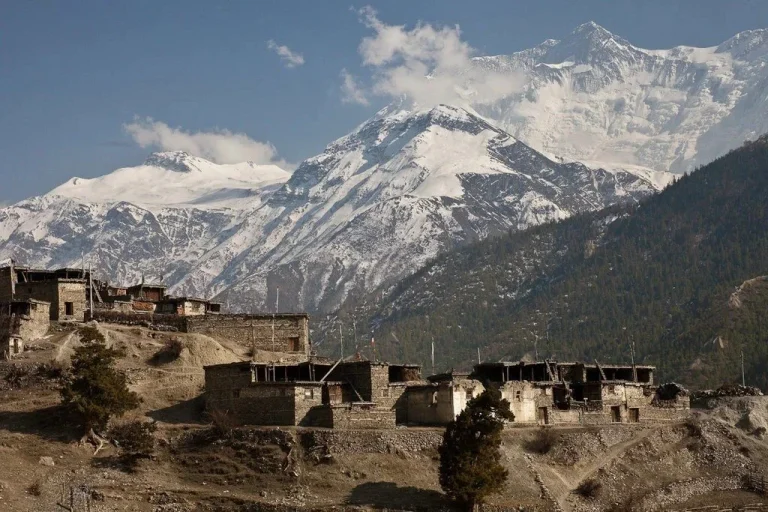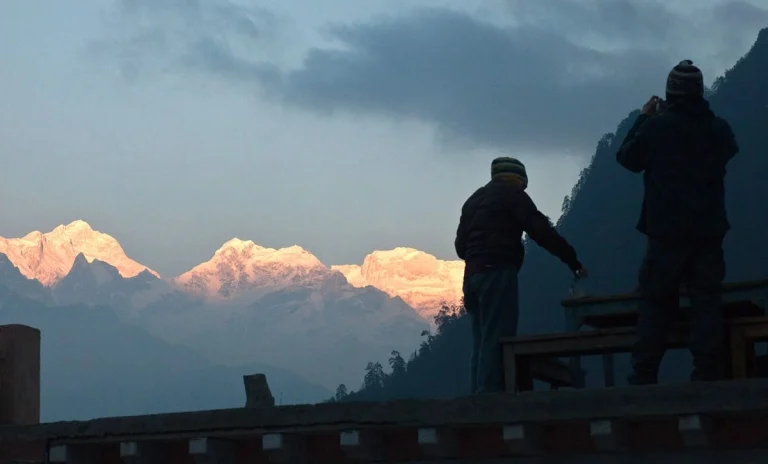
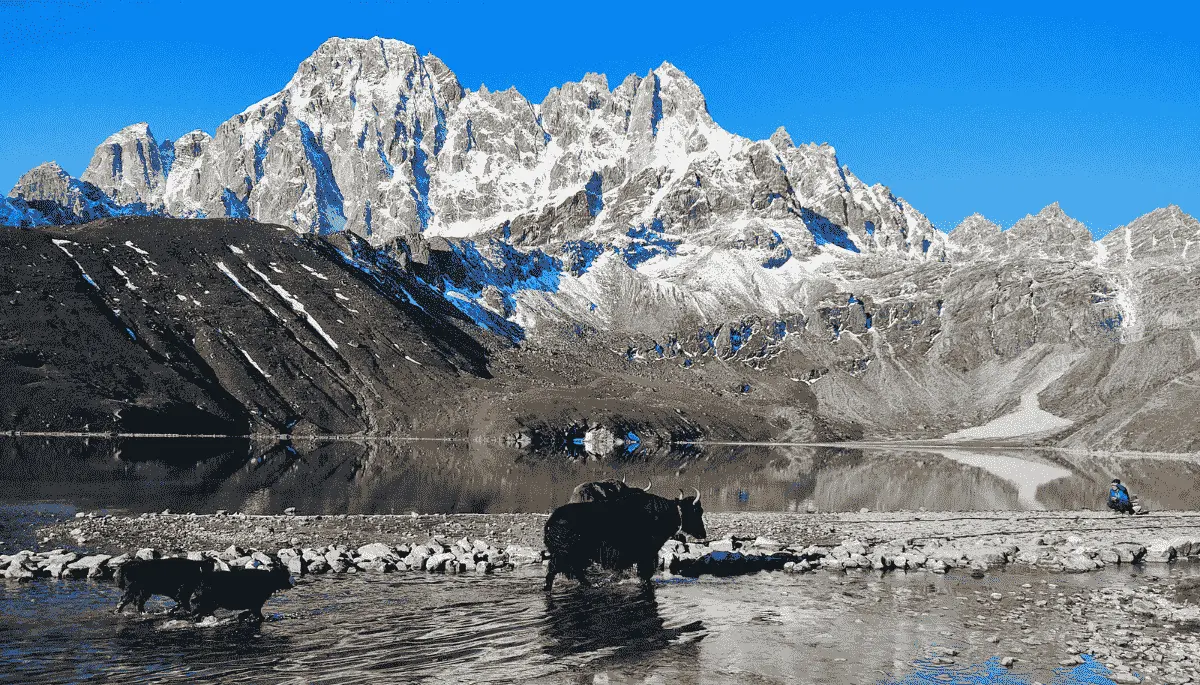
The Gokyo Lakes Trek stands out as one of the most worthwhile alternatives to the classic Everest Base Camp route. It supplies dramatic Himalayan scenery, turquoise glacial lakes, and a summit view from Gokyo Ri that rivals whatever is within the Everest region, all with far fewer crowds on the trail.
For worldwide trekkers, the appeal goes beyond the scenery. The Gokyo Lakes Trek usually gives a better price than many high-altitude treks in Nepal; however, expenses nevertheless vary widely depending on how you trek, where you pass, and what level of guide you pick out.
This guide breaks down each important expense inside the Gokyo Lakes Trek, from flights and permits to meals, lodging, and guide expenses. Whether you intend to trek independently or hire a guide, understanding these costs helps you to plan a realistic budget and avoid surprises on the path.
How Much Does the Gokyo Lakes Trek Cost?
The overall fee of the Gokyo Lakes Trek depends on three key factors: your trekking fashion, the length of your experience, and the season you travel in. Here is a realistic assessment of what global trekkers generally spend:
| Trek Style | Estimated Cost |
|---|---|
| Independent Trek | $700 -$1,100 |
| Guided Trek | $1,200 -$2,000+ |
| Premium Guided Trek | $2,000 -$3,500+ |
These figures cover the total experience cost from Kathmandu, consisting of flights, permits, lodging, meals, and manual or porter fees where applicable. They do not include worldwide airfare to Nepal or travel insurance.
Independent trekkers spend much less on equipment but tackle extra responsibility for navigation, logistics, and protection decisions. A supported trek costs more, but it consists of a prepared guide at some point, which many first-time Himalayan trekkers find well worth the extra cost.
The widespread Gokyo Lakes Trek runs between 12 and 14 days from Kathmandu. A longer itinerary, such as combining it with the Everest Base Camp through Gokyo Lake trek, will increase the full price range for this reason.
Seasonal timing additionally influences fees. Peak seasons, spring (March to May) and autumn (September to November), carry higher flight costs and busier teahouses. Shoulder seasons provide lower general charges but require extra flexibility with the climate.
Major Expenses You Should Budget For
The Gokyo Lakes Trek entails numerous major cost categories. Knowing where your money goes helps you propose smarter and avoid underestimating your price range. Here is a breakdown of each fundamental fee.
Lukla Flight Costs
Most trekkers fly into Lukla, the gateway to the Khumbu region, from either Kathmandu or Ramechhap. The flight itself is short, around 35 minutes from Kathmandu; however, prices range considerably by season.
- Kathmandu to Lukla (round trip): $220-$340 per person
- Ramechhap to Lukla (round trip): $150-$200 per person
During peak trekking seasons, the government shifts some flights to Ramechhap airport to lessen Kathmandu air traffic congestion. Ramechhap is roughly a four to five-hour flight from Kathmandu, so factor in that additional travel time and price.
Booking Lukla flights early is highly recommended throughout spring and autumn. Last-minute bookings at some point during the peak season frequently result in better fares or unavailable seats.
Trekking Permits
Every trekker visiting the Gokyo Lakes region needs two permits.:
- Sagarmatha National Park Permit: $30 per person
- Khumbu Pasang Lhamu Rural Municipality Permit: $20 per person
Both permits are obtainable in Kathmandu or at the entry checkpoints along the trail. Getting them in Kathmandu saves time and avoids queues at busy trail entry points.
Accommodation Costs
The complete Gokyo Lakes Trek direction has teahouses available at each essential stop. These are small, family-run teahouses that offer a bed, blankets, and access to a dining area.
Teahouse prices increase with altitude:
- Lower elevations (Phakding, Namche): $3-$8 per night
- Mid elevations (Dole, Machhermo): $5-$10 per night
- Higher elevations (Gokyo village): $8-$15 per night
Most teahouses offer rooms at low charges with the expectation that visitors will eat their food there. Staying at a teahouse but eating elsewhere can, sometimes, bring about better room fees, so it’s well worth knowing this informal association before you book someplace else.
Food and Drinks
Food is one of the greater sizeable day by day charges on the trail, particularly at higher altitudes in which supply charges upward thrust sharply.
- Daily meal budget: $20 – $35 per day
- Bottled water: $1 – $3 per bottle (increases with altitude)
- Tea and coffee: $1 – $3 per cup
- Hot meals: $5 – $12 per dish, depending on altitude
Carrying a reusable water bottle and the use of water purification tablets or a clear-out considerably cut water expenses over the course of the trek. This habit alone can save $30 to $50 across a 12-day trip.
Guide and Porter Costs
While many trekkers now choose to hire a licensed guide for safety and logistical support, it is advisable to verify the latest regulations before planning an independent trek.
- Licensed guide: $30 – $40 per day
- Porter: $20 – $30 per day
Guides manage navigation, talk with teahouse owners, help at some stage in altitude-associated demanding situations, and offer cultural context on the trek. Porters convey loads of up to twenty to 25 kg, permitting trekkers to hike with lighter day packs.
For organizations of two or more, sharing a porter between trekkers is one of the most effective ways to reduce individual charges on a guided Gokyo trek.

Independent Trek vs Guided Trek: Which Is More Affordable?
Cost is often the first factor trekkers keep in mind when going unbiased. But affordability relies upon more than the upfront rate. Here is how the two options evaluate throughout the elements that are remembered the most:
| Factor | Independent Trek | Guided Trek |
|---|---|---|
| Upfront Cost | Lower | Higher |
| Navigation | Self-managed | Supported |
| Logistics | Self-arranged | Organized |
| Safety Support | Limited | Better |
| Convenience | Lower | Higher |
| Permit Assistance | Self-handled | Included |
An independent trek can save $400 to $700 as compared to a supported trek; however, that saving comes with added responsibility. You manage your own route decisions, permits, teahouse bookings, and emergency planning.
A supported trek through a reputable local operator like Nepal Outdoor Expeditions normally bundles permits, lodging arrangements, guide prices, and porter support into one package deal, getting rid of most of the logistical burden.
Who Should Trek Independently?
Independent trekking suits trekkers who:
- Have earlier high-altitude hiking experience in Nepal or comparable terrain
- Feel confident navigating trail junctions and studying elevation profiles
- Prefer a bendy, self-directed timetable
- Are cushty coping with altitude sickness choices without professional assistance close by
The Gokyo Lakes path is nicely marked and closely used at some point of the top seasons, which makes unbiased navigation more possible than on far-off routes. That said, conditions can shift quickly above 4,000 meters, and self-guided trekkers take full responsibility for their own safety.
Who Benefits Most from a Guided Trek?
A guided trek is the smarter choice for trekkers who:
- Are you trying a high-altitude Himalayan trek for the first time
- Are you traveling solo and want to be introduced to protection and companionship on the trail
- Have a fixed itinerary and constrained time to troubleshoot logistics
- Want a neighbourhood professional who is aware of altitude acclimatization and can alter the tempo, therefore
Beyond protection, a good guide enriches the complete experience. Local publications convey understanding of the Sherpa lifestyle, the Khumbu panorama, and the groups along the path that no guidebook absolutely captures. For trekkers combining the Gokyo route with the wider Everest region trekking routes, professional assistance becomes even more valuable as the terrain and length increase.

Hidden Costs Many Trekkers Forget
Most trekkers budget carefully for flights, meals, and lodging, then get caught off guard by means of the smaller prices that gather every day on the trail. These costs are easy to miss throughout planning, but add up quickly over a 12- to 14-day trek.
| Hidden Cost | Estimated Cost | Practical Tip |
|---|---|---|
| Electronics Charging | $1 – $3 per device per charge | Carry a high-capacity power bank to reduce teahouse charging fees |
| WiFi Packages | $2 – $5 per day | A Nepali SIM with data often costs less than the teahouse WiFi |
| Hot Showers | $2 – $5 per shower | Budget selectively; hot water is unreliable above higher elevations |
| Snacks & Extras | $5 – $10 per day | Stock up on snacks in Namche Bazaar, where prices are lower |
| Guide Tip | $8 – $15 per day | Plan this into your budget from the start, not as an afterthought |
| Porter Tip | $5 – $8 per day | Standard practice and an important part of supporting local livelihoods |
| Travel Insurance | $80 – $200 (full policy) | Must explicitly cover trekking above 5,000m and helicopter rescue |
| Emergency Cash Reserve | $100 – $150 extra | ATMs are only available in Kathmandu and Namche Bazaar |
A 12-day trek with one manual and one porter commonly provides $a hundred and fifty – $275 in tips alone. Travel coverage is non-negotiable; a helicopter evacuation from above 5,000 meters costs $3,000 to $6,000 without insurance.
Carry sufficient Nepali rupees from Kathmandu to cover all trail expenses. The complete path past Namche Bazaar runs on cash only.
Smart Ways to Reduce Your Gokyo Trek Cost
Travel During Shoulder Seasons
Spring (March to May) and autumn (September to November) are the top seasons with higher flight costs, busier teahouses, and top-class call for throughout the board. Traveling during the shoulder months, late November, February, or early March, brings exceptionally lower expenses.
- Lukla flights are less expensive and easier to book
- Teahouses provide extra negotiating room on room quotes
- The trail is quieter, which many trekkers select
Winter trekking (December to January) is feasible but requires strong, weather-resistant equipment and careful planning around trail conditions.
Share Guide and Porter Costs
Guide and porter costs are charged consistently per day, not on an individual basis. Two or three trekkers sharing one guide splits that price considerably every day without reducing the quality of aid.
For a 12-day trek, sharing a guide between two human beings saves each trekker $180 -$240 as compared to hiring, in my opinion. This is one of the most honest ways to reduce your per-person price range on a Gokyo Lakes Trek Package.
Carry a Reusable Water Bottle
Bottled water expenses climb step by step with altitude. A single reusable bottle paired with purification drugs or a filter, like a Sawyer Squeeze, charges $10 – $20 initially and removes maximum water purchases across the trek.
Over 12 days, this addiction realistically saves $40 – $60 in comparison to shopping for bottled water at every stop.
Limit Expensive Trail Purchases
Gear, snacks, and clothing offered on the trail are substantially more expensive than in Kathmandu. Stock up on everything you need, energy bars, medicines, trekking add-ons, earlier than leaving the metropolis.
Namche Bazaar is the ultimate realistic location to shop for resources at reasonable prices. Beyond Namche, expenses increase sharply with each kilometre of elevation gain.
Book Flights Early
Lukla flights are promoted up to weeks earlier for the duration of peak seasons. Last-minute bookings push fees up and limit your scheduling flexibility. Booking 4 to 6 weeks in advance during spring and autumn secures better fees and offers you backup alternatives if the climate causes delays.
If your travel dates fall during the duration of a period while flights shift to Ramechhap, expect early morning pressure and take into account a one-day stay close to the airport the night before your flight.
Eat Where You Sleep
Most teahouses charge low room rates with the expectation that visitors consume their meals on-site. Eating at a different teahouse than where you sleep can trigger a higher room fee. Sticking to at least one teahouse, according to preventing both lodging and food continues prices predictable and avoids unnecessary friction.

Is the Gokyo Lakes Trek Worth the Cost?
For most trekkers who complete it, the answer is definitely yes.
The Gokyo Lakes Trek grants something the Everest Base Camp Trek can not offer at peak season, a proper Himalayan experience without the crowds. The six glacial lakes, the dramatic Ngozumpa Glacier, and the panoramic summit view from Gokyo Ri at 5,357 meters, where you see Everest, Lhotse, Makalu, and Cho Oyu concurrently, make this one of the most worthwhile viewpoints in the whole Himalayas.
Nepal’s teahouse infrastructure continues to make lodging and meal costs viable during the dry season. Trekkers who amplify the ride along the Everest Base Camp through Gokyo Lake mixture direction get the vicinity’s nice stories within a unmarried itinerary, maximixing the value of flights, permits, and time invested substantially. Plan your budget carefully, set practical expectations, and the Gokyo Lakes Trek continuously justifies every dollar spent.
Sample Budget Breakdown for a 12-Day Gokyo Lakes Trek
| Expense | Budget Trek | Guided Trek |
|---|---|---|
| Lukla Flights | $220–340 | $220–340 |
| Permits | $50 | Included/Separate |
| Accommodation | $60–120 | Included/Separate |
| Food | $240–420 | Included/Separate |
| Guide | N/A | $360–480 |
| Porter | Optional | $240–360 |
| Miscellaneous | $100–200 | $100–200 |
| Total | $700–1,100 | $1,200–2,000+ |
If budget isn’t your main concern, our guide to the Everest Base Camp luxury trek covers the more comfortable end of the same route.
FAQs
How much does the Gokyo Lakes Trek cost in total?
The total cost ranges from $700 to $1,100 for an impartial trek and $1,200 to $2,000+ for a supported trek from Kathmandu. This includes flights, lets in, accommodation, meals, and guide or porter fees where applicable.
Is the Gokyo Lakes Trek cheaper than the Everest Base Camp?
Generally, yes. The Gokyo Lakes Trek is barely shorter, sees fewer trekkers, and teahouse prices along the route have a tendency to be marginally lower than on the busiest sections of the EBC trail.
Can I do the Gokyo Lakes Trek without a guide?
Experienced trekkers with earlier high-altitude experience can trek independently. However, Nepal now requires guides in many places on the Everest trail, so verify the cutting-edge regulation earlier than making plans for an independent trek.
How much cash should I carry on the trek?
Carry all your travel expenses in Nepali rupees from Kathmandu. ATMs are most effective in Kathmandu and Namche Bazaar. Add a $one hundred to $a hundred and fifty buffer for surprising charges.
What is the biggest expense on the Gokyo Trek?
Lukla flights typically represent the single largest cost, as observed by using guide and porter fees for those hiring assistance.
Are teahouses expensive in Gokyo?
Room rates at Gokyo village run $8 to $15 per night, which is higher than lower elevations; however, still reasonable. Food expenses are extra at altitude, so anticipate spending $25 to $35 per day on meals at higher stops.
How can I reduce my trekking costs?
Travel at some point during the shoulder seasons, share guide and porter expenses with fellow trekkers, carry a reusable water bottle, and inventory items in Kathmandu and Namche Bazaar before heading further.
Is travel insurance required for the Gokyo Lakes Trek?
Travel insurance is not legally required; however, nearly as important. The trek reaches above 5,300 meters, where helicopter evacuation is the only emergency exit. Ensure your policy explicitly covers excessive-altitude trekking and rescue.
Budgeting for a whole Nepal trip, not just this trek? Our guide to Nepal trip cost in March covers a complete first-timer’s budget.
Plan Your Gokyo Lakes Trek with Confidence
The Gokyo Lakes Trek fits a wide variety of budgets while being properly priced. A self-guided trek can be completed for below $1,100, even as those preferring complete guided aid can anticipate spending $1,200 to $2,000. The key is knowing where your money goes earlier than you arrive.
Understanding your charges in advance, flights, allowances, food, accommodation, suggestions, and hidden charges gets rid of the guesswork and helps you to be totally in the experience once you are on the path.
Ready to experience the stunning Gokyo Lakes and panoramic views from Gokyo Ri? Discover the Gokyo Lakes Trek package alternatives or check out the broader Everest location trekking routes to locate the itinerary that best suits your budget and dreams. For trekkers wanting to recognize how long the Gokyo Lake Trek takes before finalising a budget, that may be a realistic next step, earlier than committing to dates.