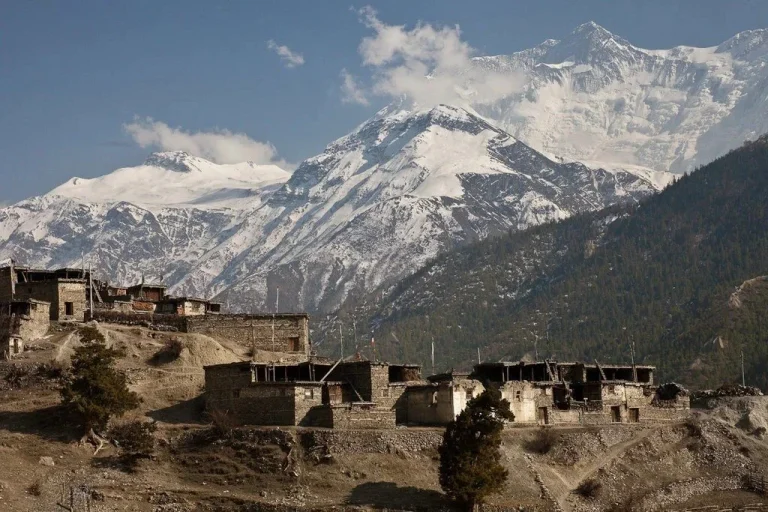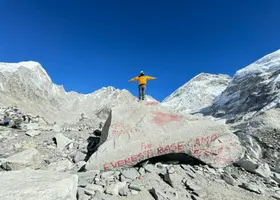
The region around Annapurna and Dhaulagiri remained in the background for a long time as trekkers focused on more popular routes in Nepal. As attention shifted first to Annapurna Base Camp and later to Everest Base Camp, this area stayed largely untouched, visited mostly by local villagers, herders, and a few curious travelers who understood the unspoiled charm of the Himalayas.
Today, the global trekking community has finally discovered this once-overlooked route. Recognized as one of Nepal’s most sought-after emerging trekking trails, the Annapurna–Dhaulagiri Trail has gained popularity for its natural beauty, authentic village life, and breathtaking views of two massive peaks, Annapurna and Dhaulagiri.
Quick Answer: Why Is the Annapurna-Dhaulagiri Trail Special?
The Annapurna-Dhaulagiri Community Trail is a newly developed hiking path in Nepal that connects Myagdi, Parbat, and Kaski districts. It combines panoramic Himalayan views, true Magar and Gurung villages, community-run motels, Khopra Danda, Khopra Lake, and much less-crowded trails while immediately helping nearby groups.
Annapurna-Dhaulagiri Community Trail 2025–2026 Update
The trail has recently received popularity because the formally promoted as the Annapurna-Dhaulagiri Community Trail, occasionally called the Dhaulagiri-Annapurna Trail. The route was developed to provide an alternative hiking experience beyond the conventional Bhurung-Tatopani-Ghorepani-Ulleri-Birethanti-Nayapul phase while providing direct economic benefits to local communities.
- Officially promoted community trekking route
- 100+ trekkers using the trail daily
- Community lodge network expanding
- Homestay tourism program introduced
- New destinations receiving tourism investment
- Alternative to crowded Annapurna trekking routes
Understanding the Annapurna–Dhaulagiri Trail
What Makes It Special?
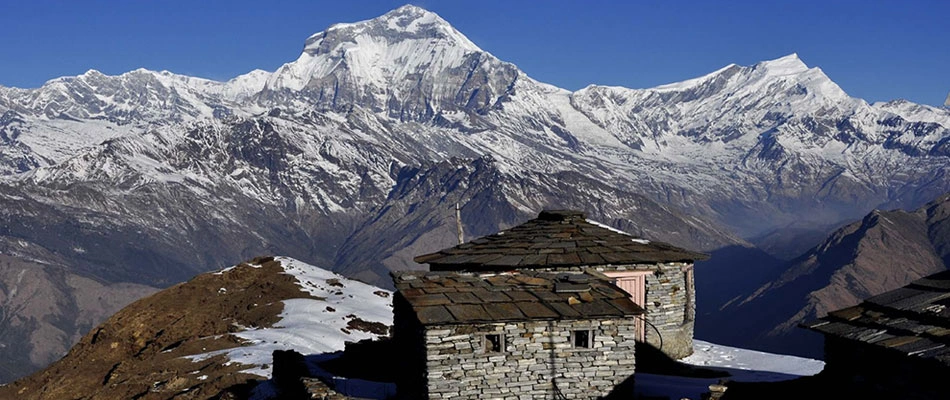
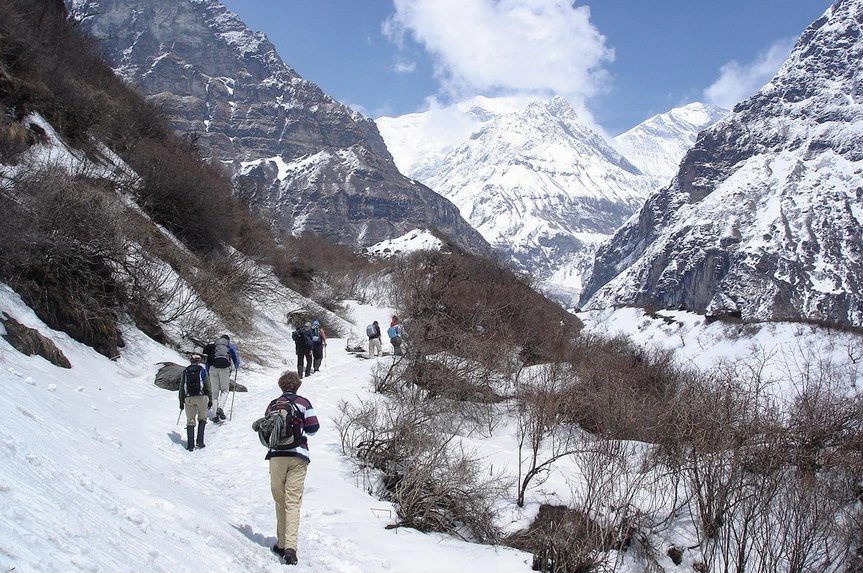
The trail is flanked by Dhaulagiri on one side and Annapurna on the other. Unlike commercial trekking routes that see hundreds of trekkers each day, the Annapurna–Dhaulagiri Trail offers uninterrupted scenic views and relatively easy walking paths.
A Himalayan Trail That Feels Personal
International trekkers appreciate this trail because it still reflects authentic mountain life. The trail still serves as a daily lifeline for villagers, farmers, mule trains, and schoolchildren. Trekkers form a genuine connection with Nepali mountain culture through these everyday encounters. Terraced farmlands, historic Magar villages, river valleys, blooming rhododendron forests, and sweeping ridgeline views continue to captivate hikers throughout the journey.
The Charm of Being Uncrowded
This trail is a refreshing contrast to Nepal’s busier trekking routes. There is no rush to secure accommodation, no busy roads, and no constant flow of trekkers. It is ideal for those seeking peace without sacrificing comfort or safety, making the experience feel exclusive yet welcoming.
Why It’s Growing in Popularity
The Rise of Community-Based Tourism
The Annapurna–Dhaulagiri Trail has benefited greatly from community-based tourism. Trekkers are welcomed into homestays and community-run lodges that offer warm bedding, home-cooked meals, and genuine hospitality. These lodges are owned and managed by local families, ensuring tourism income stays within the community. In return, trekkers enjoy meaningful cultural exchanges and an authentic glimpse into mountain life.
The Search for Less-Crowded Alternatives
More trekkers are actively seeking routes that remain quiet and unspoiled. Instead of crowded commercial trails, they want immersion in nature, culture, and tranquility. The Annapurna–Dhaulagiri Trail perfectly meets this demand with fewer visitors and expansive landscapes, allowing hikers to enjoy a quieter and more personal trekking experience.
The Appeal of Dual Mountain Views
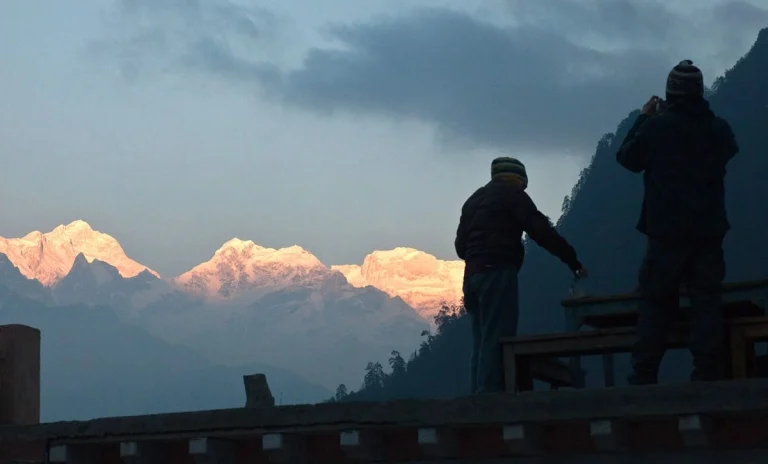
One of the biggest highlights of the Annapurna-Dhaulagiri Trail is the rare opportunity to see Annapurna I and Dhaulagiri together in a single frame. Sunrise views from Khopra Ridge and Mohare Danda are unforgettable, with golden light illuminating the peaks. Many trekkers consider sunrise from Khopra Ridge and Mohare Danda the highlight of the trek.
Easier Access and Better Infrastructure
Improved road access has made the trail easier to reach than ever before. New routes significantly reduce travel time to starting points. The trail now features well-maintained paths, sturdy bridges, and clear signage, making it safer and more accessible, particularly for first-time trekkers.
A Balanced Trek: Moderate Difficulty, High Rewards
This trail offers spectacular scenery without the strenuous demands of high-altitude expeditions. The main trekking route generally stays below 3,700 m, although the optional hike to Khayer Lake reaches around 4,600 m. Beginners find the trek manageable yet rewarding, while experienced hikers appreciate the balance between challenge, comfort, and views.
Highlights That Make Trekkers Fall in Love With the Annapurna–Dhaulagiri Trail
While every section of the trail has its own charm, the overall journey feels special because each day delivers something different.
Mohare Danda: The Peaceful Alternative to Poon Hill
Mohare Danda is beloved because:
- It offers some of the best sunrise views in Nepal
- It is far less crowded than Poon Hill
- It directly supports local communities
- The panoramic views of Machhapuchhre, Annapurna South, and Dhaulagiri are stunning
Khopra Ridge: The Best Ridge Walk in the Region
Khopra Ridge is a paradise for mountain lovers and photographers. Positioned high above the valley, it provides sweeping Himalayan panoramas and close-up views of the Annapurna range.
- Serene and peaceful
- Breathtaking vistas
- One of the best viewpoints in the region
Khayer Lake: A Sacred and Scenic Detour
For trekkers seeking an added challenge, Khayer Lake (4,600 m) offers a rewarding side trip. Nestled beneath Annapurna South, the lake is surrounded by sacred shrines and untouched landscapes.
Reasons trekkers choose Khayer Lake:
- A remote, off-the-beaten-path Himalayan experience
- Spectacular views of Annapurna South and nearby peaks
- Cultural and religious significance for local communities
- A strong sense of achievement due to the higher altitude
Delicious Local Food and Cultural Encounters
Along the trail, trekkers pass through traditional Magar and Gurung villages where hospitality is warm and genuine. Homestays and lodges serve fresh vegetables, homemade dal bhat, and local specialties. Guests often share conversations with hosts, enjoy local music, and gather around evening fires. These cultural exchanges frequently become the most memorable moments of the trek.
Wildlife, Birds, and Himalayan Landscapes
The Annapurna–Dhaulagiri region is rich in biodiversity. Trekkers may spot Himalayan birds, musk deer, or grazing yaks in open pastures. The landscape features lush valleys, waterfalls, and clear rivers flowing through largely untouched terrain. The lack of heavy commercialization preserves the area’s natural beauty and tranquility.
Permits Required for the Annapurna-Dhaulagiri Community Trail (2026)
| Permit | Foreigners | SAARC Nationals | Required |
| ACAP Permit | NPR 3,000 | NPR 1,000 | Yes |
| TIMS Card | Not Required | Not Required | No |
| Green Fee | NPR 1,000 | NPR 1,000 | Yes |
| Licensed Guide | Mandatory | Mandatory | Yes |
Short Overview of the Annapurna-Dhaulagiri Trek Itinerary
Day 1–2: Kathmandu to Pokhara to Galeshwar
Your journey begins in the scenic lake city of Pokhara, the main gateway to the Annapurna region, accessible by road or flight from Kathmandu. The trek officially starts at Galeshwar, which is reached after a short drive from Pokhara.
Day 3–4: Trek to Bans Kharka and Nangi
These days involve relaxed walks through quiet mountain villages, dense forests, and terraced farmlands. The route offers rich cultural experiences as you pass through traditional Magar settlements and interact with local communities.
Day 5: Nangi to Mohare Danda
This is one of the most rewarding sections of the trek, leading to the peaceful ridgeline of Mohare Danda. The viewpoint offers a spectacular sunset over the Annapurna and Dhaulagiri ranges, followed by an even more breathtaking sunrise the next morning.
Day 6–7: Trek to Swanta and Khopra Ridge
As you move deeper into more secluded areas, the trail winds through forested paths and open landscapes. Khopra Ridge is widely regarded by trekkers as one of the best spots in the region for sweeping panoramic views of the Himalayas.
Day 8: Optional Day Hike to Khayer Lake
For those seeking an additional challenge, a day hike to Khayer Lake provides a rewarding adventure. This sacred high-altitude lake, tucked beneath Annapurna South, offers stunning scenery. Although demanding, the hike is well worth the effort for both the views and the sense of achievement.
Day 9–10: Descent via Dobato or Tatopani
The return journey is a relaxing conclusion to the trek, passing through peaceful forests and traditional villages. Depending on the chosen route, trekkers can descend via Dobato or Tatopani, with the option to enjoy natural hot springs at Tatopani before returning to Pokhara.
Best Time to Trek the Annapurna-Dhaulagiri Trail
Autumn (September to November)
Autumn is considered the best season for this trek, offering clear skies and excellent mountain visibility. Stable weather conditions make the trail comfortable for hikers of all skill levels. Views of Annapurna and Dhaulagiri are at their finest, with vibrant landscapes throughout the region.
Spring (March to May)
Spring brings warm temperatures, blooming rhododendron forests, and colorful hillsides. Clear morning light creates ideal conditions for photography, while pleasant daytime weather makes trekking enjoyable. This season is especially appealing to nature lovers.
Winter (December to February)
Winter trekking offers a quiet and peaceful experience, with snow-covered landscapes adding dramatic beauty. While the scenery is stunning, temperatures can be cold, particularly at higher elevations. This season is best suited for trekkers equipped with proper winter clothing.
Monsoon (June to August)
Monsoon season brings heavy rainfall, resulting in muddy and slippery trails, along with leeches in some areas. Frequent rain can disrupt trekking plans, and mountain views are often obscured by clouds. This season is generally not recommended unless the trek is focused on cultural exploration or lower-altitude routes.
Why Trekkers Call It a “Hidden Gem”
The Annapurna–Dhaulagiri Trail is often described as a hidden gem because, despite being relatively unknown, it offers stunning trails, breathtaking scenery, and an authentic cultural experience. The strong connection to the land allows trekkers to experience villages and landscapes that remain largely untouched by mass tourism.
Reasons why it has earned its reputation:
- It is serene and naturally beautiful
- It offers genuine cross-cultural interactions
- It delivers outstanding views without excessive physical effort
- It feels meaningful, engaging, and rewarding
Difficulty Level: Is the Annapurna–Dhaulagiri Trail for You?
The Annapurna–Dhaulagiri trek is suitable for a wide range of hikers due to its moderate difficulty level. It does not require extreme endurance or technical climbing skills. However, a basic level of physical fitness and some trekking experience will make the journey more comfortable and enjoyable.
Things to consider for trekkers:
- Basic hiking experience
- Ability to walk for five to seven hours per day
- Good overall fitness
- Proper footwear suitable for both flat and uphill terrain
Growing Interest in the Annapurna Region
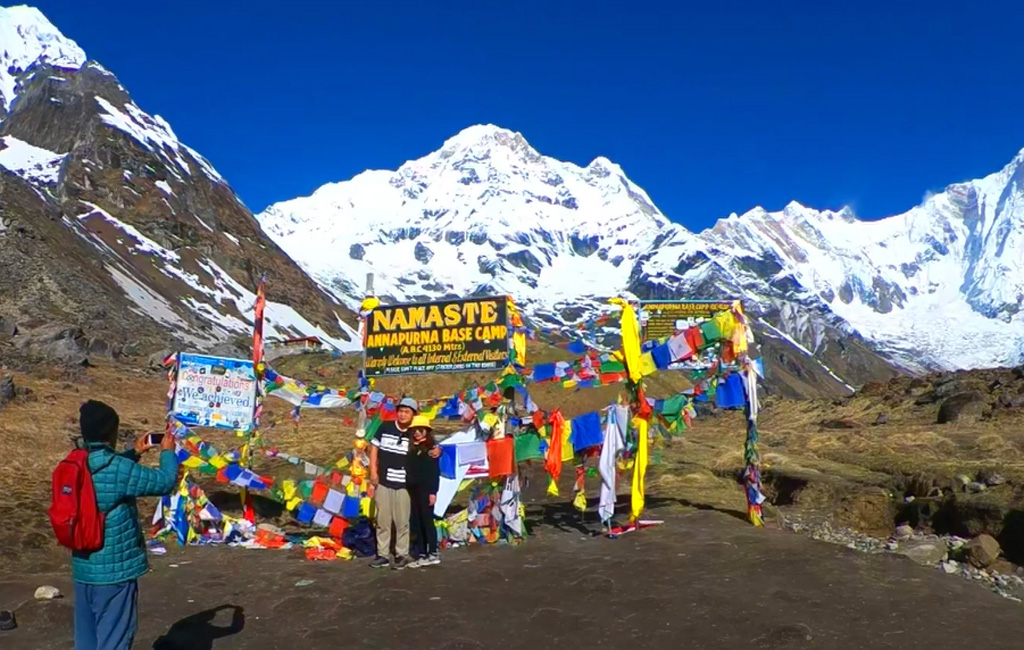
Tourism throughout the Annapurna region continues to develop, reinforcing its reputation as one of Nepal’s most visited hiking locations. In Baisakh 2083 (May 2026), on my own, Manang welcomed approximately 7,200 tourists, with tourists from Israel (1,209) and India (961) forming the largest global traveler corporations. These figures highlight the increasing international interest in the Annapurna location and the continuing call for hiking stories that integrate Himalayan scenery, cultural encounters, and outdoor adventure.
As traveler numbers increase, many trekkers are looking beyond traditional routes and searching for much less crowded options that offer a deeper connection with local communities. This shift has contributed to the growing recognition of the Annapurna-Dhaulagiri Community Trail, which gives a quieter trekking experience at the same time as showcasing genuine village lifestyles, community-run resorts, and lesser-acknowledged viewpoints. The enlargement of community-based tourism initiatives and the stepped forward path infrastructure are similarly strengthening the route’s attraction among first-time visitors and experienced trekkers exploring the Annapurna region.
Is the Annapurna-Dhaulagiri Community Trail Right for You?
If you are looking for a quieter alternative to Nepal’s busiest trekking routes, the Annapurna-Dhaulagiri Community Trail offers a compelling balance of mountain scenery, cultural immersion, community-based tourism, and authentic village experiences. It is particularly suitable for trekkers who value meaningful local interactions, less crowded trails, and responsible travel experiences.
Planning this trek? Reviewing the latest route conditions, permit requirements, and accommodation availability before your trip can help you create a smoother and more rewarding trekking experience.
FAQs
1. Can I Trek the Annapurna–Dhaulagiri Trail Without a Guide?
No. As of 2026, an authorized licensed guide is obligatory for hiking in the Annapurna area. Beyond meeting regulations, a licensed guide can enhance protection, help with navigation, and provide treasured insights into the local way of life and communities alongside the path.
2. What Kind of Footwear Is Recommended for This Trek?
Sturdy, waterproof trekking boots with good ankle support are distinctly encouraged for the Annapurna-Dhaulagiri Community Trail. The path consists of stone steps, wooded area paths, and uneven mountain terrain, making proper footwear essential for comfort and stability.
3. Is Camping Required on This Trek?
No, camping is no longer required in this trek. Trekkers can live in community lodges, teahouses, and homestays placed along the path, making an allowance for a more snug and culturally immersive experience.
4. Are Mobile Networks Available Along the Trail?
Mobile network coverage is available in many villages, but signal strength can vary depending on the area and weather conditions. Trekkers need to not depend totally on mobile connectivity, especially in remote sections of the trail.
5. Can This Trek Be Done as a Solo Female Traveler?
Yes, the Annapurna-Dhaulagiri Community Trail may be loved by way of solo female tourists. Since a certified guide is required, many trekkers find the enjoy both greater safety and extra comfort while exploring remote communities and mountain landscapes.
6. What Wildlife Precautions Should Trekkers Take?
Trekkers ought to stay on detailed trails, keep away from approaching wildlife, and observe local guidance in forested regions. Properly storing food and keeping a respectful distance from animals helps make sure both personal safety and environmental conservation.
7. Do Trekkers Need to Carry Their Own Food and Water?
No, food and drinking water are available at most lodges and teahouses along the way. However, sporting a reusable water bottle, water purification technique, and electricity snacks is suggested for longer hiking days.
8. Are There Any Cultural Etiquette Tips for Interacting With Locals?
Yes, respecting local customs enables create significant interactions with the groups you visit. Simple gestures, which include greeting human beings politely, removing shoes before coming into houses or monasteries, and asking permission before taking images, are constantly appreciated.
9. Is Altitude Sickness a Concern on This Trail?
Altitude sickness can affect some trekkers, particularly near higher elevations, including Khopra Danda and Khopra Lake. Although the threat is lower than on many excessive-altitude treks in Nepal, proper acclimatization, hydration, and consciousness of signs stay essential.