Is Nepal Hard to Travel?
Nepal is not hard to travel as you come prepared and well planned. The country is very welcoming to visitors and getting a Nepal visa is very easy. Visitors can get an on-arrival visa at Tribhuvan International Airport in Kathmandu or at the land border entry point. Here is what you need:
-
Valid passport with at least 6 month validity
-
Complete application form (available at airport)
-
Passport-size Photo
Visa fees for Nepal as of May 2026 are:
- 15 days: $30 USD
- 30 days: $50 USD
- 90 days: $125 USD
At the airport, visitors can find local SIM cards, currency exchange counters and taxi services. Many hotels, travel & tour companies (like Nepal Outdoor Expeditions) offer airport pick-up services if the booking is done in advance, making your arrival stress-free.
Visitors can apply online in advance through the official Nepal Immigration website: www.nepalimmigration.gov.np to speed up arrival processing and avoid long airport queues.
Is this the right time to travel to Nepal?
Visitors can visit Nepal throughout the year but the best season for trekking is Spring and Autumn because the trails are visible.
-
Spring Season: The weather is warm and clear. The hills are fully covered with rhododendron flowers and visibility of the mountains are great.
-
Autumn season: In 2026, Nepal’s biggest festivals fall around Dashain (starting October 18, 2026) and Tihar (November 8-11, 2026), making autumn one of the best times for cultural experiences.
-
Winter Season: The weather is very cold. Although visitors can enjoy cities like Kathmandu, Pokhara, Chitwan.
-
Monsoon Season: Heavy rainfall and muddy roads makes travel difficult. This is a good time for cultural tours like Mustang and Dolpo which stay dry.
Can you feel safe while traveling to Nepal?
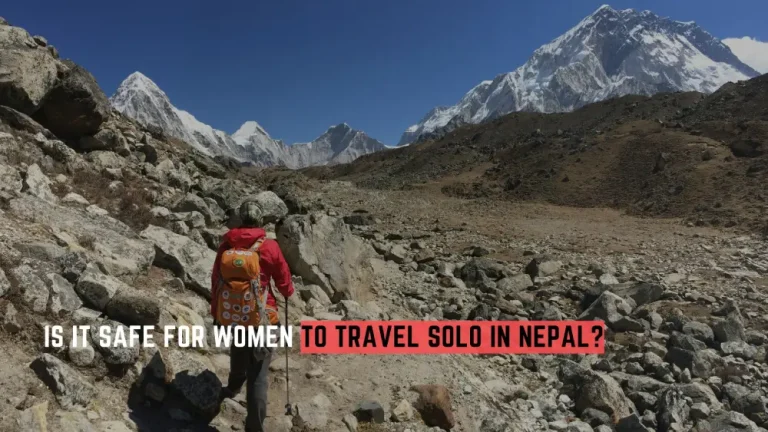
Nepal is very safe to travel. Violent crime is rare and Nepali people are friendly and helpful. Most visitors feel comfortable travelling to both cities and mountains of Nepal.
Safety Tips for Visitors:
-
In busy places like Thamel, Kathmandu, pickpockets are everywhere so keep your bags close to you and don’t expose expensive items.
-
While trekking, it is best to go with a licensed guide. They know the trails well and can help you if there are any emergencies.
-
For transportation always use hotel pickups, tourist buses or trusted taxis. This way extra chargers can be avoided.
Is Mount Everest the only attraction point to travel in Nepal?
There are many places to visit in Nepal besides Mount Everest. Mount Everest, standing at 8,848.86 metres, is the world’s highest peak and a dream destination for trekkers and climbers. However, Nepal offers many other attractions for first-time visitors as well.
Annapurna Region
The Annapurna Region is one of the most popular trekking destinations for first-time visitors. The trails pass through beautiful villages, forests, and valleys while offering stunning views of mountains like Annapurna and Machhapuchhre. Visitors can enjoy adventures such as the Annapurna Base Camp Trek, Mardi Himal Trek, and Jomsom Muktinath Trek.
Pokhara
Pokhara is one of the top destinations for first-time travelers in Nepal. The city is famous for its beautiful lakes, including Fewa Lake and Begnas Lake. Pokhara is also known for adventure activities like paragliding, mountain biking, boating, and sightseeing with panoramic Himalayan views. Visitors looking for a relaxing atmosphere combined with adventure often choose Pokhara as their favorite destination.
Lumbini
Lumbini, the birthplace of Gautam Buddha, is one of the most important religious sites in Nepal. Located in the Kapilvastu district of the Terai region, it is a UNESCO World Heritage Site visited by thousands of pilgrims and tourists every year.
Chitwan National Park
Chitwan National Park is another popular destination for first-time visitors in Nepal. Covering an area of 932 sq. km, it is Nepal’s first national park and home to wildlife such as Asiatic elephants, one-horned rhinos, and Royal Bengal tigers. Visitors can enjoy jungle safaris and experience the culture of the local Tharu community through traditional dance performances and village tours.
Kathmandu Valley
Kathmandu Valley is the cultural and historical heart of Nepal. The valley includes the major cities of Kathmandu, Bhaktapur, and Patan, all known for their temples, museums, and UNESCO World Heritage Sites. Visitors can explore famous attractions such as Swayambhunath (Monkey Temple), Pashupatinath Temple, and the historic Durbar Squares. Walking through the narrow alleys of the valley also allows travelers to experience local markets, traditional festivals, thangka paintings, and daily Nepali life.
Do Nepalese People Only Eat Dal Bhat ?
Dal Bhat is considered the staple food of Nepal and remains a daily meal for many Nepalese people. The dish usually includes steamed rice, lentil soup (dal), vegetables, and pickles. A popular saying in Nepal, “Dal Bhat Power 24 Hour,” reflects how filling and energizing the meal is. However, Nepalese cuisine is much more diverse and deeply connected to the country’s religions, festivals, geography, and ethnic communities.
Popular Foods in Nepal
Momos
Momos are one of the most popular snacks in Nepal. These Tibetan-style dumplings are usually filled with minced meat or vegetables and served with spicy dipping sauce. Visitors can find momos everywhere, from roadside stalls to modern restaurants.
Thukpa
Thukpa is a warm noodle soup with meat or vegetables that originated in the Himalayan region. It is especially popular during colder months, and trekkers often enjoy it after long hiking days in the mountains.
Newari Cuisine
The Newar community in the Kathmandu Valley has one of the richest food cultures in Nepal. Traditional dishes such as bara, chatamari, and yomari are closely connected to festivals and rituals. A traditional Newari feast called “Samay Baji” includes beaten rice, fried meat, eggs, lentils, and pickles, and people commonly serve it during celebrations.
Regional and International Food Choices
Different regions in Nepal have their own food traditions. In the Terai region, people enjoy spicy curries, fish, and sweets influenced by Indian cuisine. In the hills and Himalayan regions, locals commonly eat millet bread, yak cheese, butter tea, and barley-based foods. Meanwhile, cities like Kathmandu and Pokhara offer a wide range of international cuisines, including Italian, Chinese, Korean, Indian, and vegan food options.
Food Culture and Hospitality in Nepal
Food in Nepal reflects the country’s religion, culture, and hospitality. Hindus avoid beef, while Buddhist and Muslim communities follow their own food traditions. People in Nepal also consider sharing meals an important part of social life, and many families warmly invite visitors to eat with them, creating memorable cultural experiences during their stay in Nepal.
Trekking and Permit
- As of 2026, hiring a licensed trekking guide remains mandatory for most trekking regions in Nepal under the trekking safety regulations introduced in April 2023.
- Nepal has also introduced the new electronic TIMS (e-TIMS) system in 2026, replacing the older paper-based TIMS cards.
- Restricted areas such as Upper Mustang, Upper Dolpo, Nar Phu, and Manaslu still require special restricted area permits in addition to regular trekking permits.
- Nepal’s new 97 free peaks program allows climbers to access selected Himalayan peaks without climbing permit fees until 2027.
Nepal Travel Language Tips
Nepal has a multicultural society, and people across different regions speak more than 120 languages and dialects. In tourist areas, hotels, and trekking trails, locals commonly speak English, making communication easier for visitors.
Here are a few useful phrases to start with:
Namaste : Hello / Greetings (with palms together)
Dhanyabad : Thank you
Kati ho? : How much is this?
Ramailo cha : It’s Nice
Thik cha : Okay / It’s fine
My name is Jack: Mero naam Jack ho.
-
What is your name? : Tapaiko naam k ho?
How are you?: Tapailai kasto cha?
-
I’m fine: Malai Thik Cha.
Types of Mountain Range in Nepal
Nepal is best known as the country of the Himalayas where the land rises from the flat Terai plains to the tallest mountains on earth. In Nepal first-time visitors can find everything from green hills and valleys to snow covered giants that touch the sky.
The northern border of Nepal is guarded by the Great Himalayas, home to most of the highest peaks in the world. Eight mountains here rise above 8,000 meters:
-
Mount Everest (8848.86 m) is the world’s highest peak, called Sagarmatha in Nepali and Chomolungma in Tibetan.
-
Kanchenjunga (8,586 m) is the third highest mountain, on the eastern border.
-
Lhotse (8,516 m) just beside Everest and sharing the same climbing route at first.
-
Makalu (8,485 m) a striking pyramid-shaped peak.
-
Cho Oyu (8,188 m) is one of the more accessible 8,000m mountains.
-
Dhaulagiri (8,167 m) is massive and challenging for climbers.
-
Manaslu (8,163 m) is known as the “Mountain of the Spirit.”
-
Annapurna I (8,091 m) is a part of the Annapurna range, popular with trekkers but difficult to summit.
Village lifestyle in Nepal
First time visitors must visit villages to understand how people in Nepal live. Village life is away from the busy cities, life here feels simple, peaceful, and closely tied to the land.
Most village homes are still built in traditional styles using stone, clay, and timber and paint in earthy colors with slate roofs. Families in Nepal usually live together in joint farming works. At the village the foods are grown locally like rice, maize, wheat and vegetables depending on the season. Visitors can often see buffaloes, goats, pet and chicken farming.
Life at village begins early in the morning by filling water from the river for daily activities and evening is for family time eating meals togethers. The villagers are very warm and welcoming, they always ask guests for tea, home made meals with smiles and greetings. Many villages now offer homestay facilities by making visitors feel like they live in the village environment and know the culture. In the homestay the visitors can live with villagers’ families, eat their food and join villagers’ daily routines. In some places like Ghandruk, Bandipur, Panauti, and Tharu villages in Chitwan, homestays have become a popular way for visitors to experience genuine Nepali life.
With Nepal Outdoor Expeditions, visitors can join village tours and homestay experiences. This gives you the chance to not only observe, but also take part in cooking, farming, and cultural traditions, making it one of the most authentic travel experiences in Nepal.
Final Thought
Traveling to Nepal for the first time can be one of the most rewarding journeys of your life. With the right preparation, visitors will find Nepal safe, welcoming, and full of unique experiences. The country’s stunning landscapes, from the high Himalayas to the green hills and Terai plains, combine with its living traditions to create a destination like no other. Trekking trails, UNESCO heritage sites, national parks, and homestays open the door to both adventure and cultural immersion. More than just a travel destination, Nepal invites you to slow down, share meals, join festivals, and connect with people who treat guests like family. Whether you come for the mountains, the culture, or the peace of village life, Nepal leaves you with memories that last a lifetime.
FAQs
1. Do I need a visa to travel to Nepal?
Yes, you can get a visa on arrival at Tribhuvan International Airport in Kathmandu or at land border points. Just bring your passport, a photo, and visa fee in USD.
2. Is Nepal safe for solo travelers?
Yes. Nepal is considered very safe for solo travelers.
3. What is the best season to visit Nepal?
The best seasons are Spring and Autumn because the weather is clear & the mountains are visible, and it’s the best time for trekking.
4. Do I need travel insurance in Nepal?
Yes, especially for trekking or adventure activities. Insurance can help during high-altitude trekking and emergencies
5. What should I pack for Nepal?
Essentials include trekking shoes, layered clothing, rain gear, sunscreen, personal medicines, and a first aid kit.
6. What currency is used in Nepal?
The currency is Nepalese Rupee (NPR). You can exchange money at the airport, banks and exchange counters in Kathmandu and Pokhara. ATMs are also available in major cities.
7. Can I use the internet in Nepal?
Yes, you can buy a local SIM card at the airport or in the city for calls and internet. Many hotels, restaurants and cafes also provide free Wi-Fi only in the city area.
8. Do I need a guide for trekking in Nepal?
Some short treks can be done independently, but having a licensed guide is safer and can help with safety and cultural understanding. Nepal Outdoor Expeditions provides experienced guides for all treks.
9. What kind of food can I find in Nepal?
Nepal has a wide variety of food. The traditional meal is Dal Bhat, but you will also find momos (dumplings), thukpa (noodle soup), Newari dishes, and
10. Does Nepal offer International Cuisine ?
Yes, international cuisine is available in cities like Kathmandu and Pokhara.