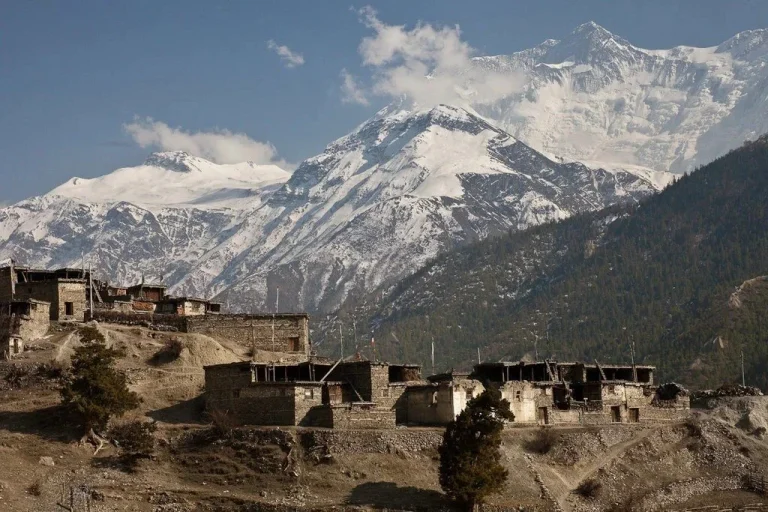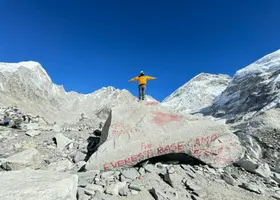
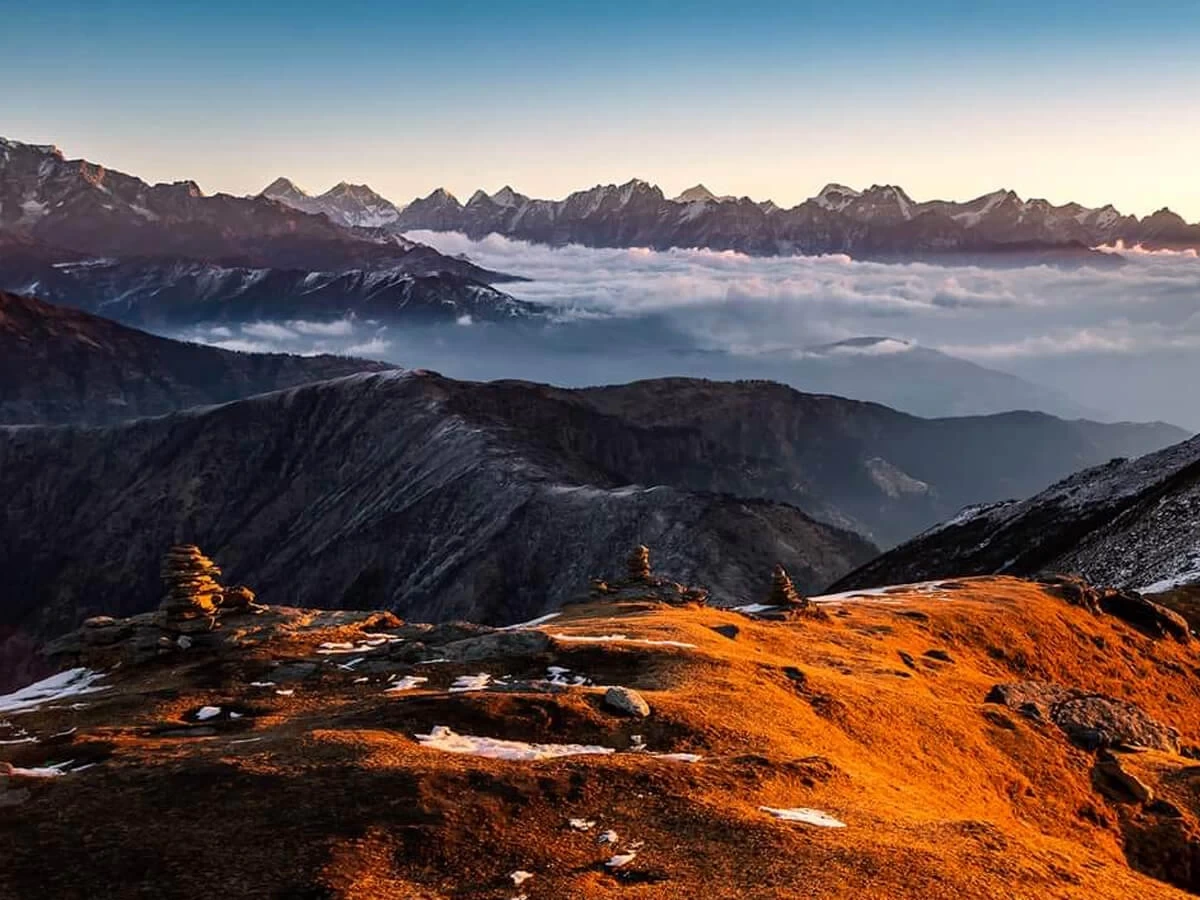
Nepal offers many rewarding 2-day treks that combine Himalayan views, quiet village trails, and cozy teahouse stays. Chisapani-Nagarkot, close to Kathmandu; Australian Camp-Dhampus, near Pokhara; Panchase Trek; jeep-assisted Poon Hill; and Shivapuri Trek rank among the best options for travelers with a few days to spare.
Each trek fits a special traveler. Some routes match first-time trekkers and families, while others reward you with sunrise views over the Annapurna range. Your choice mainly depends on where you are beginning from, how much hiking you need to do, and what kind of scenery matters most to you. This guide breaks down all ten treks so that you can choose the right one for your time frame, fitness level, and starting point in Kathmandu or Pokhara.
Quick Answer: Best 2-Day Treks in Nepal
If you only have two days, these ten treks offer one of the best combinations of mountain views, walking distance, and comfort. The table beneath compares each trek by location, difficulty, and who it fits best, so you can shortlist your alternatives in seconds.
| Trek | Region | Difficulty | Best For |
| Chisapani-Nagarkot | Kathmandu | Easy | Beginners |
| Australian Camp-Dhampus | Pokhara | Easy | Mountain views |
| Panchase Trek | Pokhara | Easy-Moderate | Quiet trails |
| Poon Hill (Jeep Assisted) | Annapurna | Moderate | Sunrise |
| Shivapuri Trek | Kathmandu | Easy | Nature lovers |
| Dhampus Village Trek | Pokhara | Easy | Families |
| Sarangkot Overnight Trek | Pokhara | Easy | Sunrise |
| Astam Village Trek | Pokhara | Easy | Village culture |
| Nagarkot Village Trek | Kathmandu | Easy | Weekend escape |
| Balthali Village Trek | Kathmandu Valley | Easy | Rural experience |
Most of those treks stay below 2,600 meters, so altitude illness is not often a challenge. Kathmandu-based routes like Chisapani-Nagarkot and Shivapuri work well if you’re short on tour time, while Pokhara-based treks consisting of Australian Camp-Dhampus and Panchase position you in the trek of the Annapurna range for better mountain views. Poon Hill stays the most effective moderate-difficulty option on this list; however, jeep access to Ghorepani cuts the walking time enough to fit it into 2 days.
Why Choose a 2-Day Trek in Nepal?
A 2-day trek fits into a weekend, so you don’t want to burn through your whole holiday to revel in the Himalayas. Most routes on this list start and end close to Kathmandu or Pokhara, giving you much less travel time and more time on the trail. This makes short treks a practical preference for everybody squeezed among work commitments, flight connections, or a packed Nepal itinerary.
Beginners gain the most from this format. You get an actual flavor of teahouse hiking, mountain trails, and village life without committing to the physical demands of a 10-day trek like Annapurna Base Camp. Families with kids or older travelers can also control these trails quite simply, since daily taking walks hours rarely exceed 5 to 6 hours.
Budget matters too. A 2-day trek costs much less than longer treks because it requires fewer permits, less gear rental, and shorter guide contracts. And because most routes stay below 2,600 meters, altitude-related dangers stay low, so you can trek without significant acclimatization planning.
For everybody looking for a brief Himalayan experience, whether it is your first hike in Nepal or a weekend escape from town life, a 2-day trek gives you mountain views, cultural exposure, and physical activity in a compact, doable package.
10 Best 2-Day Treks in Nepal
Each trek below consists of practical information like elevation, hiking hours, permits, and accommodation, so you know precisely what to expect before reserving. We’ll discuss them individually, beginning with the Kathmandu-based alternatives.
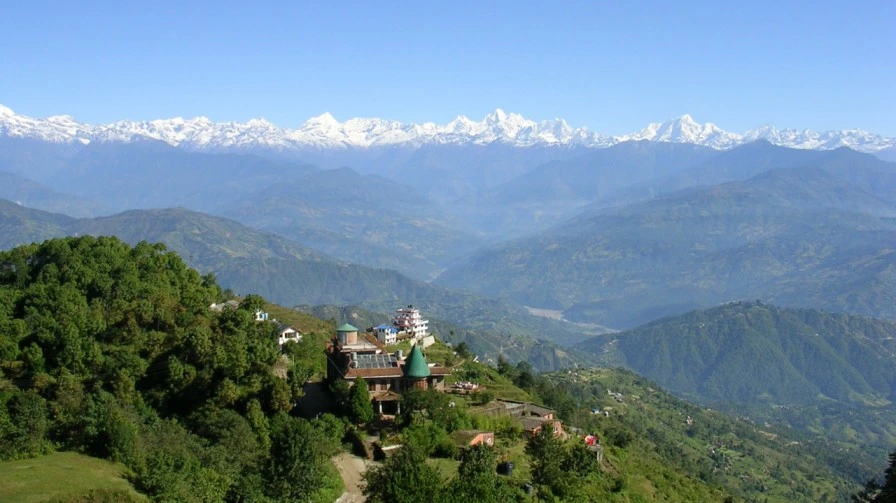
1. Chisapani–Nagarkot Trek
This trek starts at Sundarijal, just outside Kathmandu, making it the most accessible route in this listing. You walk through Shivapuri National Park’s forest trails before reaching Chisapani on day one, then head to Nagarkot on day two for sweeping Himalayan views, such as Everest on clear days.
- Location: Kathmandu Valley (Sundarijal to Nagarkot)
- Duration: 2 days, 1 night
- Highest elevation: 2,175 meters (Nagarkot)
- Hiking hours: 5-6 hours per day
- Highlights: Shivapuri National Park, Tamang villages, Everest view from Nagarkot
- Difficulty: Easy
- Best season: Autumn and spring, though winter works well too
- Suitable for: Beginners, families, first-time trekkers
- Permits: Shivapuri National Park entry permit required
- Accommodation: Teahouses and guesthouses in Chisapani and Nagarkot
- Transportation: Short taxi ride from Kathmandu to Sundarijal; bus or taxi back from Nagarkot
This trek works best if you want the closest possible trek to Kathmandu without sacrificing mountain scenery. The Tamang communities along the trail add cultural depth that many quick treks close to the town lack.

2. Australian Camp–Dhampus Trek
This trek starts near Pokhara and takes you via rhododendron forests and Gurung villages before ascending to close-by views of Machhapuchhre (Fishtail) and the Annapurna range. It’s one of the most scenic quick treks in Nepal.
- Location: Pokhara (Phedi or Kande to Dhampus)
- Duration: 2 days, 1 night
- Highest elevation: 2,100 meters (Australian Camp)
- Hiking hours: 4-5 hours per day
- Highlights: Machhapuchhre and Annapurna views, Gurung villages, rhododendron forest
- Difficulty: Easy
- Best season: Autumn and spring for clearest mountain visibility
- Suitable for: Beginners, families, mountain-view seekers
- Permits: TIMS card and Annapurna Conservation Area Permit (ACAP) required
- Accommodation: Teahouses in Australian Camp and Dhampus
- Transportation: Short drive from Pokhara to Phedi or Kande; return drive from Dhampus
This trek suits tourists who want the most mountain scenery for minimum hiking effort. The brief driving distance from Pokhara also makes it easy to fit right into a tight schedule, and the trail’s gentle gradient keeps it on hand for most health ranges.

3. Panchase Trek
Panchase gives a quieter opportunity than the busier Australian Camp trail, with fewer crowds and a mixture of forest trails, ridge walks, and a small temple at the summit. It sits inside the Annapurna Conservation Area and rewards you with 360-degree views spanning Annapurna, Dhaulagiri, and Machhapuchhre.
- Location: Pokhara (Kande or Bhumdi to Panchase)
- Duration: 2 days, 1 night
- Highest elevation: 2,517 meters (Panchase Peak)
- Hiking hours: 5-6 hours per day
- Highlights: Panchase Peak viewpoint, Panchase Protected Forest, quiet trails, temple at the summit
- Difficulty: Easy-Moderate
- Best season: Autumn and spring; monsoon adds fog risk that can block views
- Suitable for: Travelers wanting solitude, experienced beginners
- Permits: ACAP and TIMS card required
- Accommodation: Teahouses in Bhumdi and near Panchase Peak
- Transportation: Drive or taxi from Pokhara to the trailhead; return via Bhumdi or Dhampus
Choose Panchase if you’ve already completed the Australian Camp trek. The forest sections are largely shaded for most of the stroll, which helps on warmer days.
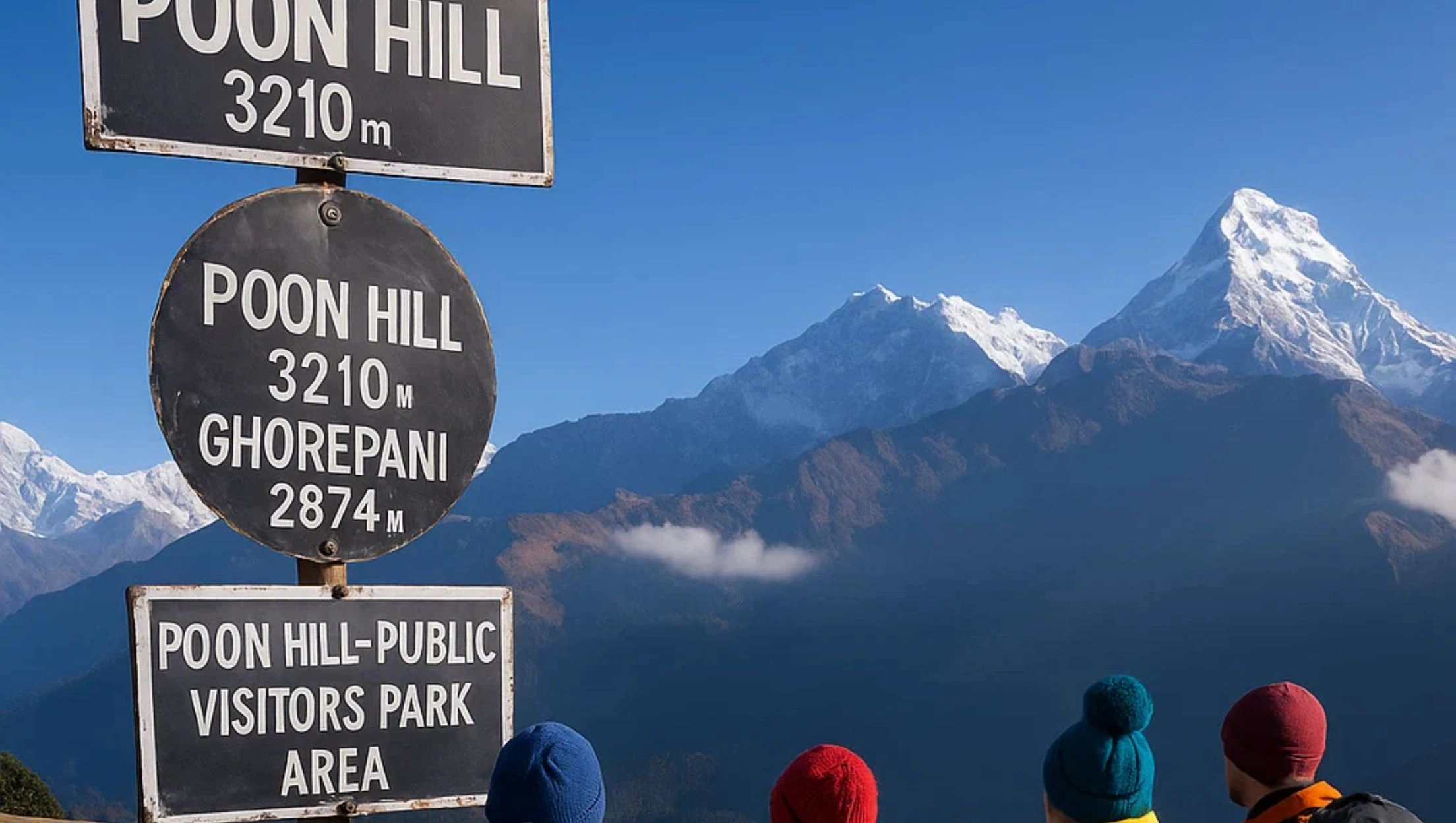
4. Poon Hill Trek (Jeep Assisted)
Poon Hill is famous for one of the best sunrise views in Nepal, with Dhaulagiri, Annapurna South, and Machhapuchhre lighting up at sunrise. Normally this trek takes 4 to 5 days walking from Nayapul; however, a jeep trip to Ghorepani cuts most of the walking distance, making it feasible to finish within two days.
- Location: Annapurna region (Jeep to Ghorepani, hike to Poon Hill and back)
- Duration: 2 days, 1 night
- Highest elevation: 3,210 meters (Poon Hill)
- Hiking hours: 3-4 hours on day one, 2-3 hours for the sunrise hike and return on day two
- Highlights: Sunrise over the Annapurna and Dhaulagiri ranges, Ghorepani village, rhododendron forest
- Difficulty: Moderate
- Best season: Autumn and spring for clear sunrise views
- Suitable for: Trekkers prioritizing sunrise views over trail distance
- Permits: ACAP and TIMS card required
- Accommodation: Teahouses in Ghorepani
- Transportation: Private jeep from Pokhara to Ghorepani (or Ulleri); return by jeep
Since Poon Hill sits above 3,000 meters, count on cooler temperatures on the summit, especially earlier than dawn. This is the most challenging trek on the listing, so it fits trekkers with at least some trekking experience rather than complete beginners.

5. Shivapuri Trek
Shivapuri National Park sits right on Kathmandu’s doorstep, making this trek perfect if you need a nature-focused overnight hike without leaving the valley. The trail winds through dense forest, past streams, and up to Shivapuri Peak, Kathmandu Valley’s highest point.
- Location: Kathmandu (Sundarijal or Budhanilkantha to Shivapuri Peak)
- Duration: 2 days, 1 night
- Highest elevation: 2,732 meters (Shivapuri Peak)
- Hiking hours: 5-6 hours per day
- Highlights: Shivapuri National Park forest trails, Shivapuri Peak viewpoint, Nagi Gompa monastery
- Difficulty: Easy
- Best season: Autumn and spring; winter mornings can be cold at the summit
- Suitable for: Nature lovers, birdwatchers, travelers who want forest scenery over village culture
- Permits: Shivapuri National Park entry permit required
- Accommodation: Basic guesthouse or camping near the park; some trekkers return to Kathmandu the same day
This trek stands out for its dense woodland cover and wildlife, which include langur monkeys and a huge range of bird species. It fits trekkers who pick natural scenery and quiet trails over village stops and mountain scenery.

6. Dhampus Village Trek
Dhampus Village Trek makes a speciality of cultural immersion as opposed to top elevation, making it one of the most family-friendly brief treks near Pokhara. You walk through Gurung settlements with terraced fields and clear views of the Annapurna range, without the steeper climbs observed on nearby routes.
- Location: Pokhara (Phedi to Dhampus village)
- Duration: 2 days, 1 night
- Highest elevation: 1,650 meters (Dhampus village)
- Hiking hours: 3-4 hours per day
- Highlights: Gurung village life, terraced farmland, Annapurna and Machhapuchhre views
- Difficulty: Easy
- Best season: Autumn and spring; also comfortable in winter due to lower elevation
- Suitable for: Families, children, older travelers, first-time trekkers
- Permits: ACAP and TIMS card required
- Accommodation: Teahouses and homestays in Dhampus village
- Transportation: Short drive from Pokhara to Phedi; return the same way
The gentle elevation gain and quick walking hours each day make this the easiest family alternative on the list. Homestay lodging additionally offers kids and primary-time trekkers a closer look at normal Gurung village lifestyles.

7. Sarangkot Overnight Trek
Sarangkot is Pokhara’s most popular sunrise viewpoint, but staying overnight in place of doing a brief morning forced march turns it into a quick trek. You hike up from Pokhara through woodland trails and village trails, watch the dawn over Machhapuchhre and the Annapurna range, then descend the next day.
- Location: Pokhara (Pokhara to Sarangkot)
- Duration: 2 days, 1 night
- Highest elevation: 1,600 meters (Sarangkot viewpoint)
- Hiking hours: 3-4 hours per day
- Highlights: Sunrise over Machhapuchhre and the Annapurna range, Pokhara Valley views, Phewa Lake panorama
- Difficulty: Easy
- Best season: Autumn and spring for the clearest sunrise visibility
- Suitable for: Sunrise chasers, photographers, beginners with limited time
- Permits: No special trekking permit required, since Sarangkot falls outside restricted conservation zones
- Accommodation: Guesthouses and lodges at Sarangkot
- Transportation: Walk or short taxi ride from Pokhara to the trailhead; return the same way
Sarangkot suits tourists who want dawn views without the power-and-return crowds that accumulate for the day-trip version. Walking up in place of driving additionally offers you a better experience of Pokhara’s surrounding hills and farmland.

8. Astam Village Trek
Astam sits off the more famous trekking routes close to Pokhara, which keeps it quieter and more focused on regular village lifestyles than mountain scenery. The trail passes via Gurung and Magar settlements, terraced farmland, and woodland patches with occasional views of the Annapurna range.
- Location: Pokhara (Kande or Naudanda to Astam village)
- Duration: 2 days, 1 night
- Highest elevation: 1,800 meters (Astam village)
- Hiking hours: 4-5 hours per day
- Highlights: Gurung and Magar village culture, terraced fields, forest trails, Annapurna range views
- Difficulty: Easy
- Best season: Autumn and spring; also manageable in winter given the moderate elevation
- Suitable for: Travelers wanting village culture over mountain-focused itineraries
- Permits: ACAP and TIMS card required
- Accommodation: Homestays and small teahouses in Astam
- Transportation: Short drive from Pokhara to Kande or Naudanda; return the same way
Astam works well if you’ve already seen the mountain-view treks around Pokhara and need a slower, culture-first route instead. Homestays right here additionally give a more direct look at Gurung and Magar daily life than the busier trails nearby.

9. Nagarkot Village Trek
This trek treats Nagarkot as a standalone weekend escape instead of the endpoint of the Chisapani trail. Starting from Kathmandu Valley’s rural outskirts, it passes through smaller villages and terraced hillsides before reaching Nagarkot, known for its spectacular sunrise and sunset views over the Himalayan range.
- Location: Kathmandu Valley (Sankhu or Changu Narayan to Nagarkot)
- Duration: 2 days, 1 night
- Highest elevation: 2,175 meters (Nagarkot)
- Hiking hours: 4-5 hours per day
- Highlights: Changu Narayan Temple, terraced village trails, sunrise and sunset views, Himalayan panorama including Everest on clear days
- Difficulty: Easy
- Best season: Autumn and spring for the clearest mountain visibility
- Suitable for: Weekend travelers, photographers, couples seeking a short escape
- Permits: No special trekking permit required for this route
- Accommodation: Resorts, guesthouses, and teahouses in Nagarkot
- Transportation: Drive or taxi from Kathmandu to Sankhu or Changu Narayan; return directly from Nagarkot
This variant suits vacationers who need a relaxed weekend ride with cultural stops along the way, instead of the forest-heavy Shivapuri course to reach the same viewpoint.

10. Balthali Village Trek
Balthali sits within the Kathmandu Valley’s rural belt, offering a slower-paced trek through terraced farmland, pine forests, and traditional Newari and Tamang villages. It’s less about mountain scenery and more about rural Nepal, making it a very good final choice for travelers who have already blanketed the more scenic routes.
- Location: Kathmandu Valley (Panauti to Balthali)
- Duration: 2 days, 1 night
- Highest elevation: 1,720 meters (Balthali village)
- Hiking hours: 3-4 hours per day
- Highlights: Terraced farmland, pine forest trails, Newari and Tamang village culture, Panauti’s historic temples
- Difficulty: Easy
- Best season: Year-round, since the elevation stays low; autumn and spring offer the clearest weather
- Suitable for: Travelers wanting a rural, low-altitude experience, families, cultural tourists
- Permits: No special trekking permit required
- Accommodation: Homestays and small resorts in Balthali
- Transportation: Drive from Kathmandu to Panauti, then a short walk or local transport to Balthali
Balthali’s low elevation and gentle terrain make it accessible in nearly any season, including monsoon, when better routes turn out to be tougher to enjoy.
Which 2-Day Trek Should You Choose?
Matching a trek to your priority, whether it truly is sunrise views, family comfort, or proximity to Kathmandu, makes the selection quicker than comparing each detail yourself. Use this table as a shortcut based on what matters most to you.
| If You Want… | Choose |
| Best sunrise | Poon Hill |
| Best beginner trek | Australian Camp |
| Closest to Kathmandu | Chisapani |
| Quiet trails | Panchase |
| Village culture | Astam |
| Family trek | Dhampus |
| Forest hike | Shivapuri |
| Photography | Nagarkot |
If a couple of elements matter to you, for example a newbie-friendly trek with mountain views, Australian Camp-Dhampus nonetheless ranks as the most powerful all-around choice. It combines easy walking, proximity to Pokhara, and steady Annapurna views without requiring the mild health that Poon Hill needs.
For travelers finding out among Kathmandu and Pokhara as a base, Chisapani-Nagarkot and Shivapuri work better if you’re staying in Kathmandu, while Australian Camp, Panchase, Dhampus, Astam, and Sarangkot all fit a Pokhara-based itinerary.
Best Time for a 2-Day Trek in Nepal
Season affects visibility, trail conditions, and standard comfort more than any other issue on a brief trek. Since you only have two days, selecting the right season matters even more than on longer treks, wherein a negative-weather day can be absorbed into a longer itinerary.
- Spring (March to May) brings clear mountain views and rhododendron blooms along forest trails like Panchase and Australian Camp. Temperatures are comfortable at lower elevations, making it one of the best windows for any trek in this list.
- Autumn (September to November) gives the clearest skies of the year, with minimum cloud cover and solid weather. This is height trekking season in Nepal, so expect busier trails and teahouses, in particular on popular routes like Poon Hill and Chisapani-Nagarkot.
- Winter (December to February) works well for lower-elevation treks together with Dhampus, Balthali, and Chisapani-Nagarkot, even though higher routes like Poon Hill get cold, specifically before sunrise. Skies tend to live clean, which blesses sunrise-focused treks.
- Monsoon (June to August) brings rain, leeches on lower trails, and decreased mountain visibility because of cloud cover. Balthali and other low-altitude routes remain manageable; however, sunrise-based treks like Poon Hill and Sarangkot lose most of their attraction for the duration of this season.
Difficulty Level of These Treks
Most 2-day treks in Nepal fall into two difficulty categories, with the most effective one trail achieving slight difficulty.
Easy treks involve 3-5 hours of strolling per day on well-maintained trails with slow elevation gain. Chisapani-Nagarkot, Australian Camp-Dhampus, Dhampus Village, Sarangkot, Astam, Nagarkot Village, and Balthali fall right here. These stay below 2,200 meters, so altitude isn’t a concern, and most trekkers can complete them without prior hiking experience.
Easy-Moderate treks like Panchase contain steeper sections and longer walking hours, around 5-6 hours daily, accomplishing just over 2,500 meters. Still manageable for beginners with simple health.
Moderate treks observe simplest to Poon Hill, which climbs to 3,210 meters. Even with jeep get entry to slicing the hiking distance, the very last sunrise hike is a steep, sustained climb in the dark and bloodless, more suitable to trekkers with a few hiking background.
Elevation explains most of the difference. Low routes like Dhampus and Balthali rarely cause fatigue, at the same time as Poon Hill’s altitude and gradient call for better stamina and tougher tools.
Do You Need a Guide for a 2-Day Trek?
Nepal’s trekking regulations have tightened in recent years, and independent (guide-unaccompanied) hiking is now restricted across most conservation and national park areas. This includes the Annapurna Conservation Area, which covers Australian Camp, Dhampus, Panchase, Poon Hill, and Astam, so a certified guide is mandatory on those routes.
Kathmandu Valley treks like Chisapani-Nagarkot, Shivapuri, Nagarkot Village, and Balthali provide more flexibility, though a guide is still advocated for trail navigation.
Beyond assembly permit requirements, a guide provides real value on a brief trek. They handle unmarked trail junctions, find the better teahouses, and adjust plans quickly if weather turns.
What to Pack for an Overnight Trek
Packing light matters more on a 2-day trek than an extended one, because you’re carrying the whole lot yourself and won’t need more layers for extended altitude exposure. Here’s what covers most conditions across those routes:
- Backpack (30-40 liters, enough for one overnight stay)
- Hiking shoes with ankle support and broken-in soles
- Rain jacket, especially for monsoon or unpredictable spring weather
- Water bottle (reusable, 1-1.5 liters; refill at teahouses)
- Snacks like energy bars, nuts, or dried fruit for trail breaks
- Warm clothing, particularly for higher routes like Poon Hill or winter treks
- Trekking poles, useful on steeper descents such as Panchase or Poon Hill
- Power bank, since charging at teahouses is limited or paid
- Sunscreen, since UV exposure increases at higher elevations
- First aid kit with basic supplies, blister plasters, and any personal medication
For lower-elevation treks like Dhampus or Balthali, you can pack lighter because temperatures are milder. Higher or sunrise-centered treks like Poon Hill and Sarangkot want greater heat layers for early morning starts offevolved, while temperatures drop nicely underneath daylight hours stages.
Estimated Cost of a 2-Day Trek
Costs range based on trek region, guide association, and accommodation style, but most 2-day treks stay lower priced compared to longer routes like Annapurna Base Camp. Here’s a rough breakdown according to category:
| Expense | Estimated Cost (USD) |
| Licensed guide | $25-35 per day |
| Permits (TIMS/ACAP or park entry) | $20-30 total |
| Transportation (taxi/jeep to trailhead) | $10-40 depending on route |
| Accommodation (teahouse per night) | $5-15 |
| Meals (per day) | $15-25 |
A budget 2-day trek from Kathmandu, along with Chisapani-Nagarkot, typically costs much less when you consider that transportation and park permits are less expensive than Annapurna Conservation Area routes. Poon Hill tends to cost more because of jeep transportation and slightly better guide rates for the mild terrain.
Booking through a nearby operator like Nepal Outdoor Expeditions typically packages guide expenses, permits, and transportation into one package, which simplifies budgeting and regularly works out to be less expensive than arranging every piece independently.
FAQs
What is the best 2-day trek in Nepal?
Chisapani-Nagarkot and Australian Camp-Dhampus rank as the top picks universally, since they integrate easy trails, reliable mountain views, and quick journey time from Kathmandu or Pokhara.
Can beginners do a 2-day trek in Nepal?
Yes. Most 2-day treks, which include Chisapani-Nagarkot, Australian Camp-Dhampus, and Dhampus Village, contain easy trails below 2,200 meters, making them suitable for first-time trekkers with good health.
Which is the easiest overnight trek in Nepal?
Dhampus Village Trek and Balthali Village Trek are the very best, with gentle elevation and short each day hiking hours, and low-altitude trails that are comfortable year-round.
What is the best 2-day trek near Kathmandu?
Chisapani-Nagarkot is the nearest and most famous choice, beginning just outside the city at Sundarijal and reaching Nagarkot’s Himalayan viewpoint in an afternoon.
Which short trek near Pokhara offers the best mountain views?
Australian Camp-Dhampus gives you the clearest close-up views of Machhapuchhre and the Annapurna range for the least walking effort amongst Pokhara-based treks.
Can Poon Hill be completed in 2 days?
Yes, with jeep transportation to Ghorepani. This cuts out most of the multi-day trek, leaving only the dawn hike and return within a two-day window.
Do I need permits for short treks?
Most routes require permits. Treks within the Annapurna Conservation Area require a TIMS card and an ACAP permit, even as Kathmandu Valley routes like Chisapani-Nagarkot and Shivapuri require a countrywide park access permit.