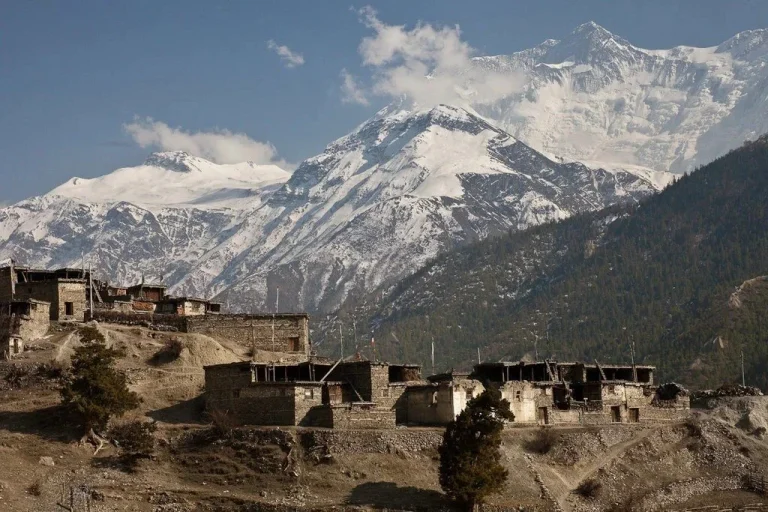
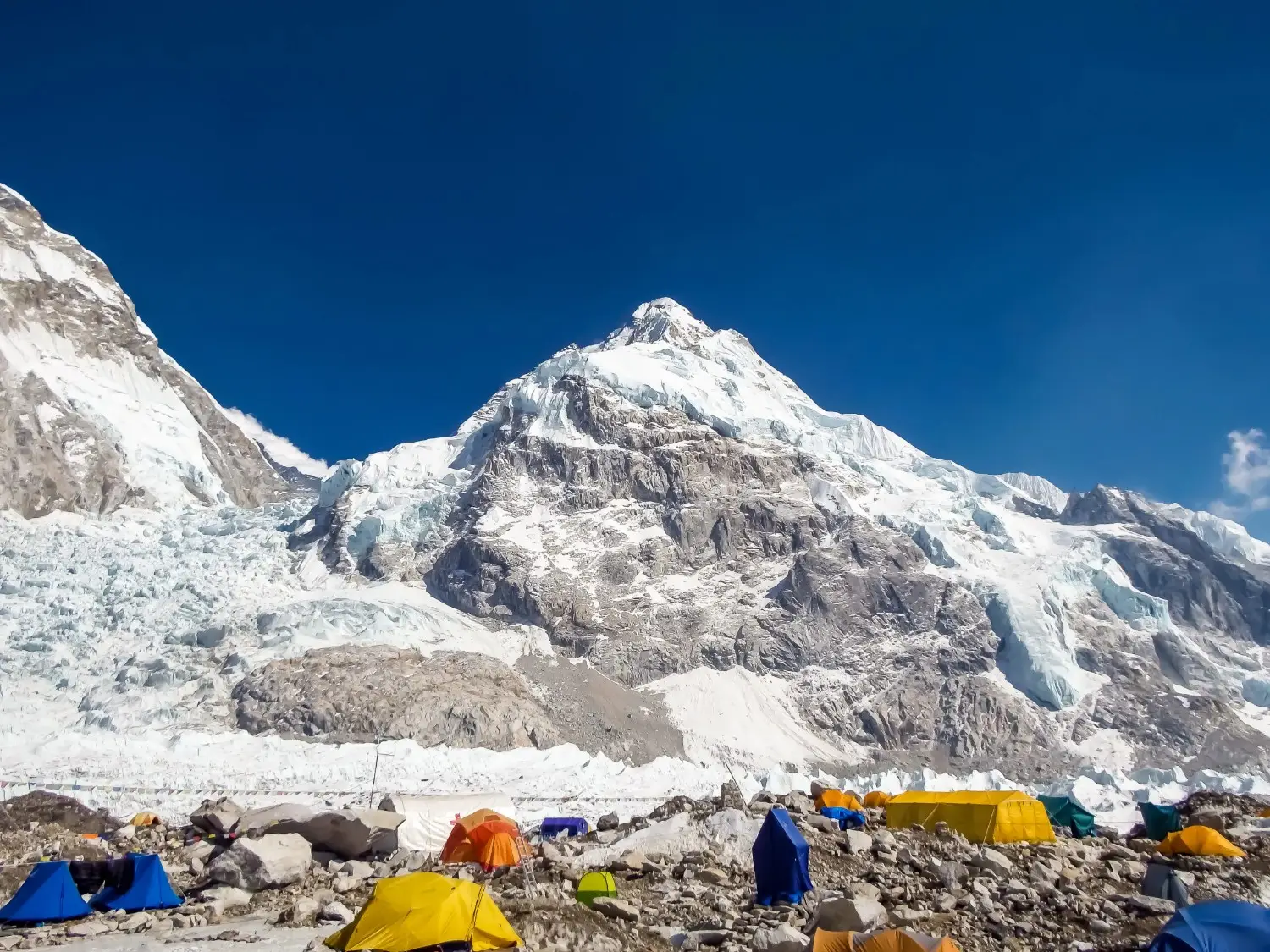
There is one thought that almost every first-time trekker knows well. You had been scrolling through pictures of snow-capped peaks and stone teahouses, and someplace among the excitement and the browser tab, a quieter thought crept in: Am I absolutely cut out for this?
That feeling is more common than you think. And virtually, it is a superb sign. It’s a way you take this seriously.
Nepal trekking for beginners isn’t about being the fittest character in the room. Every year, in fact, hundreds of everyday people, teachers, office people, and retirees lace up their boots for the first time in Kathmandu and come again from the mountains changed. Not due to the fact that the paths have been easy, but due to the fact that they were ready with the right methods.
What Makes Trekking in Nepal Different from a Regular Hike
Most humans imagine trekking in Nepal and, without delay, think of extreme mountaineers with ice axes and oxygen tanks. That photo is a long way from what most trekkers really experience in here.
Essentially, trekking in Nepal for beginners involves long, worthwhile, occasionally steep walking. However, taking walks even though. No ropes, no technical mountaineering, no special talents wanted. What makes it different from a weekend hike again home isn’t always the issue. It is the dimensions, the altitude, and the range of consecutive days for your ft.
The trails are a mix of stone steps, dust paths, and slow climbs via forests and villages. You are shifting through one of the most lovely landscapes on earth at a pace gradual enough to definitely take it in.
However, the main distinction is how the whole machine works. Nepal runs on what’s known as the teahouse trekking version. Every night, you sleep in a small inn run by a local family. Hot meal waiting, a comfortable bed to rest in, and tea earlier than you prompt once more. You do not bring anything heavy. A porter handles your essential bag. Your daypack holds water, snacks, and a spare layer. By comparison, Compare that to a multi-day hike in some other place, wherein you deliver a tent, cook your own food, and navigate on your own. Nepal removes the maximum of that logistical weight.
Most importantly, altitude is the only element that sincerely unites Nepal. Trails here climb properly above 3,000m, and a few beginner routes reach close to 5,000m. That does not imply danger if you approach it appropriately. It just takes time for your body to adapt, and your pace wishes to admire that.
Here is a quick comparison to put it all in perspective:
| Weekend Hike | Nepal Teahouse Trek | |
| Duration | 1 day | 5 to 12 days |
| Accommodation | Home or hotel | Teahouse lodge every night |
| Altitude | Usually under 1,000m | 2,500m to 5,000m+ |
| What you carry | Everything | Just a daypack |
| Guide needed? | Usually no | Strongly recommended |
| Physical demand | Low to moderate | Moderate, sustained daily walking |
How Fit Do You Really Need to Be for Nepal Trekking?
This is the question almost every first-timer asks, and the answer is commonly less intimidating than predicted.
Here is a sincere benchmark. Walk 4 to 5 hours on hilly terrain with out preventing every 20 minutes, and you are prepared for an easy trek like Poon Hill. For short routes like Langtang Valley or Annapurna Base Camp, the purpose is to spend 5 to 7 hours over several consecutive days. That is the actual bar, not a marathon finish time or a health club.
Running health and trekking fitness are also not equal issues. Someone who runs frequently might walk on a protracted descent more than a person who actually walks on hilly ground frequently. The muscles used going uphill on choppy terrain for 6 hours are different from the ones used on a flat street. The quality practice for hiking is, definitely, simply taking walks.
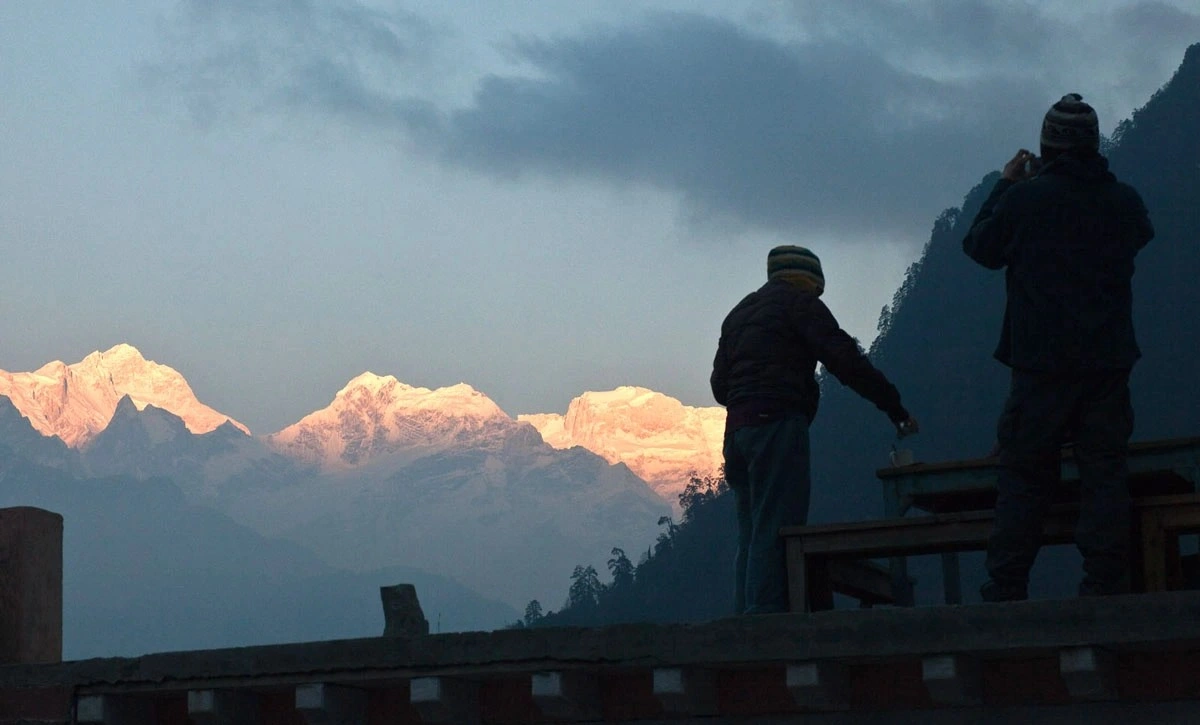
Altitude adjustments matter too, and it has nothing to do with how fit you are at sea level. At 3,500m, even very suitable people gradually slow down. Your body is adjusting to lower oxygen levels, and pushing through that is never the right move. Going gradually is. This is why Nepal Outdoor Expeditions guides continually set the tempo on the trail, not the trekker.
Run through this quick self-check before you start worrying:
Can you walk up 4 flights of stairs without stopping?
Can you walk for 2 hours on uneven ground without sitting down?
Can you manage a slow uphill walk for 30 minutes while still holding a conversation?
If most of those feel manageable, you have a solid base to build on.
Self-Assessment: Which Trek Is Right for Your Fitness Level?
Knowing Nepal is achievable is one component. Knowing which trek surely fits in which you are right now is what moves you from research to reserving.
The most common mistake first-timers make is aiming straight for Everest Base Camp because it is the call everyone knows. There is nothing wrong with that goal; however, beginning there without building up first is like going for a half-marathon earlier. The mountains will nonetheless be there in the next 12 months. Start with something that unites you as much as succeeds, not war.
For most beginners, the sweet spot is a 4 to 6-day trek that stays under 3,500m. This continues the altitude sickness risk low, offers your body a real flavor of multi-day hiking, and leaves you wanting more in preference to swearing in no way once more.
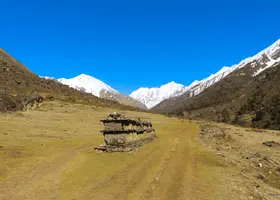
Here is a straightforward comparison of the best beginner treks Nepal Outdoor Expeditions runs:
| Trek | Duration | Max Altitude | Daily Walk | Difficulty | Best For |
| Ghorepani Poon Hill | 4 days | 3,210m | 4 to 5 hrs | Easy | Absolute beginners |
| Mardi Himal | 7 days | 4,500m | 5 to 6 hrs | Easy to Moderate | Beginners wanting something quieter |
| Langtang Valley | 8 days | 3,870m | 5 to 6 hrs | Moderate | Beginners wanting cultural depth |
| Annapurna Base Camp | 11 days | 4,130m | 5 to 7 hrs | Moderate | Beginners with a good base fitness |
| Everest Panorama | 5 days | 3,860m | 4 to 6 hrs | Moderate | A taste of the Everest region |
Start quickly, earlier than going on for too long. Poon Hill is where Nepal Outdoor Expeditions recommends nearly every first-timer start. 4 days, beautiful dawn perspectives over the Annapurna and Dhaulagiri stages, well-maintained trails, and cushty teahouses. It is virtually lovely without being physically punishing. Many trekkers who start right here return the following season for Langtang or ABC, and some years later find themselves at Everest Base Camp questioning why they ever doubted themselves.
The point isn’t always to start small because of your ability. The point is to construct the sort of self-belief that certainly gets you to the larger dreams.
Ready to pick your trek? Browse Nepal Outdoor Expeditions beginner packages here.
Your Training Plan: How to Prepare for Trekking in Nepal
Most human beings overthink this component. Nepal hiking education does not now require a health club membership, a private instructor, or jogging until your knees give out. What it calls for is consistency and the right type of movement, especially motion that mimics what you will genuinely be doing on the path.
The intention here isn’t always peak health. It is trail-equipped patience. There is a distinction. You are educating your body to walk uphill and downhill for numerous hours a day, carry a light pack, and improve in a single day to do it again. That is it.
Eight weeks of focused education are sufficient for most amateur treks. Here is how to break it down:
1. Weeks 1 to 2: Build the Walking Habit
Start easy. Walk 30 to forty 5 mins daily, and pick out hilly terrain or stairs whenever feasible. Take the stairs in place of the elevator each danger you get. Aim for 8,000 to 10,000 steps a day. The aim proper now is simply making daily motion a regular part of your routine.
2. Weeks 3 to 4: Add Duration and Load
Introduce one longer stroll per week, around 2 to 3 hours on uneven terrain. Start wearing a light backpack on those walks, around 3 to 5kg, so your shoulders and back get used to carrying weight. Add 10 to fifteen minutes of non-stop stair mountain climbing 3 times a week. Most importantly, begin sporting your trekking boots on every training walk. Blisters formed at home are far higher than blisters formed on day two inside the Himalayas.
3. Weeks 5 to 6: Simulate Trek Conditions
Push your long stroll to 4 to 5 hours on the hilliest terrain you may locate. Walk on again-to-back days, Saturday and Sunday, for example, to test how your body recovers. Increase your pack weight to 5 to 7kg. Pay attention to descents too. Going downhill for extended durations places real stress on your knees, and that catches a variety of first-timers off guard.
4. Weeks 7 to 8: Final Prep
One very last long walk of 5 to 6 hours with your complete daypack. Then taper down within the remaining 4 or 5 days before your flight. Sleep properly, devour well, stay hydrated. Your body adapts best during relaxation, not during the education itself.
A few greater things really worth weaving into your ordinary throughout all eight weeks: biking and swimming are high-quality alternatives if your knees need a smash from on foot, as both build lung capacity without the joint stress. And do no longer underestimate intellectual coaching. Accepting that progress on the path is slow gets rid of many pointless stresses. The mountain units the tempo, no longer the clock.
Understanding Altitude and Acclimatization for First Timers
Altitude is the one issue about trekking in Nepal that deserves respect. Not fear, simply admire. Understanding what it does for your body makes the distinction between a trek you end robust and one that cuts quickly before the satisfactory parts.
Above 2,500m, the air becomes thinner, and your body works harder with each breath. Most humans start feeling this somewhere above 3000m, and fitness has little or nothing to do with it. Altitude illness no longer discriminates. The only reliable way to prevent it is to ascend slowly and supply your body time to regulate.
The situation is known as Acute Mountain Sickness, or AMS. Common signs consist of a chronic headache, nausea, fatigue, and disturbed sleep. Feeling mildly off for your first day above 3,000m is reasonably ordinary. The warning sign is when signs and symptoms do not improve after rest, or start getting worse.
Two critical conditions really worth understanding are HACE (High Altitude Cerebral Oedema, swelling within the brain) and HAPE (High Altitude Pulmonary Oedema, fluid within the lungs). Both are rare on amateur treks; however can develop fast if early AMS symptoms are left out. The reaction to either is usually the same: descend without delay.
The golden rule on any Nepal trek: never ascend with symptoms. Rest, drink water, and only move up when you feel well.
| Day | Elevation | What to Do |
|---|---|---|
| Day 1 | Arrive Kathmandu (1,400m) | Rest, light walking, hydrate well |
| Day 2 to 3 | Trek to 2,500 to 3,000m | Short daily gains, no rushing |
| Day 4 | Acclimatization rest day | Hike high, sleep low |
| Day 5 onwards | Continue ascent slowly | Check for symptoms daily |
Gear Essentials for First-Time Trekkers in Nepal
Good news first: you do not need to buy everything before your journey. Kathmandu and Pokhara have excellent gear rental shops at affordable prices. Rent what you can for your first trek, then invest in your own gear once you know you enjoy trekking.
The one item worth buying before you go is a good pair of trekking boots. Choose ankle-high, water-resistant boots and break them in well before your departure date. Blisters from stiff new boots can ruin a trek faster than almost anything else on this list.
Here is what you actually need:
- Trekking boots: Ankle-high, waterproof, and broken in before the trip. Non-negotiable.
- Layered clothing: A moisture-wicking base layer, a fleece mid layer, and a waterproof outer jacket. Mountain weather changes quickly, and layers let you adapt without overheating or freezing.
- Down jacket: Essential above 3,000m. You can rent one in Kathmandu for a low daily cost.
- Daypack (25 to 35L): Carries your water, snacks, camera, and spare layers. Your porter handles the main bag.
- Trekking poles: Optional but useful, especially on long descents. They reduce pressure on your knees and are available for rent in Kathmandu and Pokhara.
- Headlamp: Needed for pre-dawn starts and dark teahouse corridors at night.
- Water bottle (1L minimum): Staying hydrated is important at altitude. Refill at every teahouse.
- Sunscreen and sunglasses: UV intensity is stronger at altitude than at sea level. Do not skip them.
- Basic first aid kit: Painkillers, blister plasters, rehydration salts, and diarrhoea tablets.
Just as important, here is what to leave at home:
A tent, sleeping mat, or cooking equipment. You will stay in teahouses every night. Avoid packing more than three changes of clothes or carrying anything heavy “just in case.” Every extra kilogram feels noticeably heavier as the elevation increases.
Pack light, take only what you need, and let the teahouse system take care of the rest.
On the Trail: Pacing and Daily Tips for First-Time Trekkers
The first hour of any trekking day feels easy. Your legs are fresh, the morning air is cool, and the surroundings pull you forward. Your natural instinct may be to move quickly and cover more ground. Resist that instinct.
The trekkers who finish strong are usually the ones who start slowly and maintain a steady pace. A simple rule is to walk at a pace where you can hold a full conversation. If you cannot speak in complete sentences, you are going too fast. At Nepal Outdoor Expeditions, our guides set this pace from day one, and it may feel frustratingly slow at first. By day 3, you will understand why.
Most beginner treks involve 4 to 7 hours of walking per day, with breaks every 60 to 90 minutes. A typical day includes an elevation gain of around 400 to 800m, with rest stops and teahouse chai breaks along the way. It is very achievable when you are not racing.
Food on the trail is less complicated than most people expect, and often better. Dal bhat, the classic Nepali meal of lentils, rice, and vegetables, is a staple at almost every teahouse, usually with unlimited refills. Egg dishes, noodles, momos, and Tibetan bread are also available at most stops.
One thing to stay on top of throughout the day is hydration. At altitude, thirst can be a delayed sign. By the time your body tells you it needs water, you may already be slightly dehydrated. Keep your bottle accessible and refill it at every teahouse.
How Many Days Can a Beginner Handle?
More than most people assume, once the body finds its rhythm. Days one and two are usually the hardest adjustment period. By day 4, most first-timers find their stride, and walking starts to feel more natural.
As a general guide, 4 to 6 days is a good starting point. Seven to 10 days is manageable with 6 to 8 weeks of consistent training. Anything beyond 10 days is better saved for your second or third Nepal trek.
Should You Trek with a Guide? What First-Timers Need to Know
The short answer is yes, and here is why it matters beyond navigation.
A registered guide is trained in altitude sickness prevention, basic first aid, and emergency evacuation coordination. They can carry a pulse oximeter and check your oxygen levels at higher elevations. If something feels wrong, they can identify the warning signs before they become a serious problem. That kind of experience is hard to put a price on when you are several days from the nearest road.
Beyond safety, a good guide handles the logistics, so you do not have to. This includes teahouse bookings, meal coordination, permit checks, and porter management. Your main task on the trail is to walk and enjoy the experience.
At Nepal Outdoor Expeditions, the team is led by professionals who grew up in these mountains. They know the trail conditions, local teahouses, and practical routes. They walk at your pace, not theirs, and do not expect you to move faster than you can comfortably manage. You can also contact trek expert Tenzing Sherpa directly on WhatsApp at +977 9767998270 or contact us directly.
One practical note on permits: many beginner treks require a TIMS card and a national park or conservation area entry permit. A registered trekking company can arrange these before you reach the trailhead.
FAQs
Can a beginner trek in Nepal?
Yes. Nepal has trails suited to different fitness and experience levels, and many routes require no previous trekking experience. What matters more than experience is preparation, a steady pace, and a willingness to listen to your body and guide.
What is the easiest trek in Nepal for first-timers?
Ghorepani Poon Hill is one of the most popular starting points for beginners. The trek takes 4 days, reaches a maximum altitude of 3,210m, follows well-maintained trails, and offers stunning sunrise views over the Annapurna and Dhaulagiri ranges. Nepal Outdoor Expeditions runs this trek for $400 per person.
How fit do you need to be to trek in Nepal?
You should be able to walk for 4 to 5 hours on hilly terrain without needing frequent stops. You do not need to run, lift weights, or have an athletic background. Consistent walking in the weeks before your journey is one of the most effective ways to prepare.
How long does it take to get fit for a Nepal trek?
Eight weeks of regular walking is enough for most beginner routes. Even 4 to 6 weeks of focused training can make a noticeable difference. Consistency matters more than intensity.
Is the Annapurna Circuit suitable for beginners?
The full Annapurna Circuit is better suited to trekkers with some previous experience because it crosses Thorong La Pass at 5,416m. For first-timers interested in the Annapurna region, Poon Hill or Annapurna Base Camp are better starting points.
What are the best training exercises for high-altitude trekking?
Daily walking on hilly terrain, stair climbing, and back-to-back long walks on weekends are effective ways to prepare. Cycling and swimming can also help build cardiovascular endurance without putting too much strain on your joints.
How many days of trekking can a beginner handle in Nepal?
Most first-timers do well on 4 to 6-day treks. With proper training, 7 to 10 days can also be manageable. Anything longer is better saved for a return trip once you know how your body responds to the trail.
Can an unfit person trek in Nepal?
Yes. An unfit person can still trek in Nepal by choosing less challenging routes such as Poon Hill and preparing with 6 to 8 weeks of regular walking.