Everest Base Camp Helicopter Return Trek is an adventure of a lifetime that combines the excitement of trekking to the highest places on Earth with the comfort and enjoyment of a helicopter flight. This itinerary gives the traveler the chance to explore this iconic Khumbu region without the rigour of a full round-trip trek, unlike the classical Everest Base Camp trek, which requires several days of physically demanding hiking and lengthy acclimatization.
This is the best trek to build the best of both worlds, since it can be done by people with limited time and moderate fitness, as well as by individuals who want to see the Himalayas on both the trail and in the sky. Whether one is strolling in Sherpa villages, old monasteries, or prayer-flag-covered paths or flying over glaciers, icefalls, and high peaks in a helicopter, each moment is a chance to look at the magnificence of Everest in a new way.
The mountain views, Sherpa culture, and intimate views of Everest, Lhotse, Nuptse, Ama Dablam, and other Himalayan giants are all packed into a condensed but comprehensive itinerary that will make a memorable impression without the distressing physical challenges of a classic EBC journey.
Overview of Everest Base Camp Helicopter Return Trek
Everest Base Camp Helicopter Return Trek is a high-altitude adventure in Nepal’s Khumbu region, reaching 5,364 meters before returning to Kathmandu by helicopter. The 8–11-day journey offers time-conscious travelers sweeping views of Everest, Lhotse, and Ama Dablam.
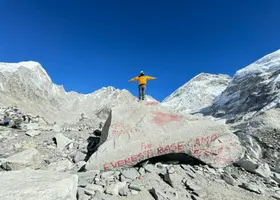
The journey begins with a Kathmandu–Lukla flight at 2,860 meters. From Lukla, trekkers walk through Phakding to Namche Bazaar at 3,440 meters for acclimatization. The trail continues to Tengboche, Dingboche at 4,410 meters, Lobuche, Gorak Shep, and finally Everest Base Camp. Trekkers can also hike to Kala Patthar for sunrise views of the surrounding peaks.
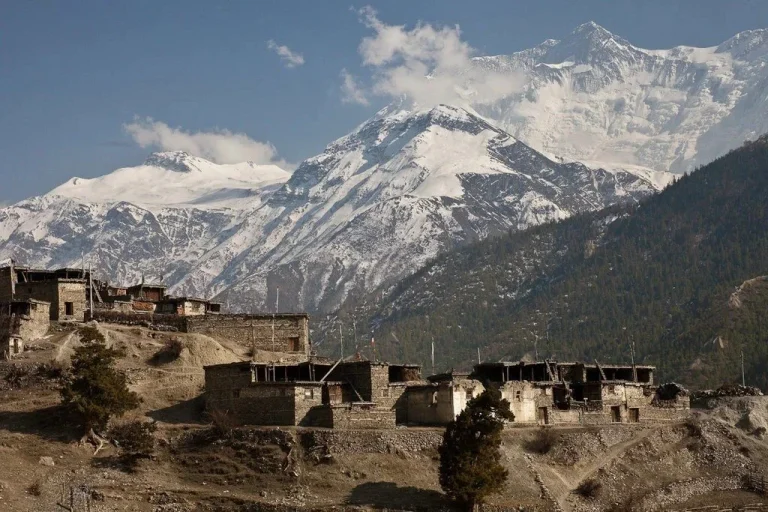
The trail passes through rhododendron forests, terraced fields, Sherpa villages, and suspension bridges before becoming rocky and barren at higher elevations. Teahouses provide simple accommodation, traditional meals like dal bhat, and opportunities to experience Sherpa culture in places such as Namche Bazaar and Tengboche.
The trek involves steep ascents, rocky trails, and long walking days. Good fitness, hiking experience, and proper acclimatization are essential. The helicopter return reduces the strain of the descent while preserving the high-altitude experience.
The rewards include reaching Everest Base Camp, seeing the Khumbu Icefall, and enjoying panoramic views of Ama Dablam, Nuptse, and Lhotse from Kala Patthar. The helicopter flight also offers a unique perspective of the vast Himalayas. The trek typically costs around USD 1,800–2,200 per person for groups of four or more, including permits, guides, and the helicopter flight.
What is Special about the Everest Base Camp Helicopter Return Trek?
The Everest Base Camp Helicopter Return Trek is not just another trek; it is a Himalayan adventure of a lifetime that combines the excitement of high-altitude trekking with the comfort and grandeur of a helicopter flight. This exclusive style of Everest climbing enables adventurers to climb through some of the most dramatic scenery in the world and to reduce the physical challenge of the long descent, making it accessible to people who like high-impact experiences with controlled effort.
Unmatched Mountain Views
The route to Everest Base Camp offers access to some of the highest points on the planet without any stops. The skyline is dominated by Everest (8,848.86 m), with Lhotse (8,516 m), Nuptse (7,861 m), and Ama Dablam (6,812 m) adding to the dramatic mountain scenery. The trek also passes viewpoints like Kala Patthar (5,545 m), offering unmatched views of the Khumbu Icefall, glaciers, and surrounding ridges.
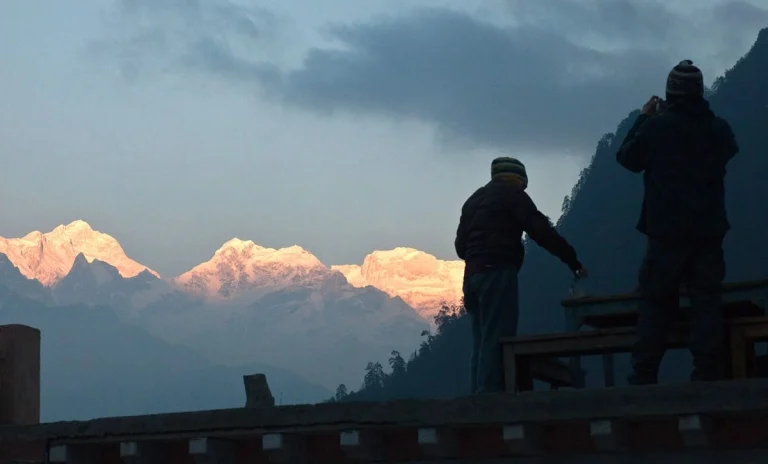
These mountains are transformed by the interplay of light at sunrise and sunset, casting shadows across the valleys and golden highlights over the snowfields—a visual effect that lingers long after the trek is over.
The helicopter flyback allows trekkers to appreciate the magnitude of the Himalayas from the air. Only from this aerial perspective can walkers fully take in the vast glaciers, moraines, and high-altitude passes.
Lively Landscapes and Path Diversity
The path is far from dull. The lower sections wind through rich rhododendron and pine forests, terraced farmland, and gently flowing rivers. As the trail ascends, it passes through bamboo groves, cascading waterfalls, and rugged moraines, showcasing a dramatic shift in texture and color. The snow and ice along the way to Lobuche and Gorak Shep contrast sharply with the green valleys below.
This diversity is further highlighted by the helicopter return, which lets trekkers soar above scenery that would take days to traverse on foot, revealing hidden side valleys, glaciers, and alpine ridges that might otherwise go unnoticed.
Experiencing Culture in Sherpa Villages
The Sherpa culture is closely tied to the Everest trek, and the trail offers numerous opportunities to immerse oneself in it. Villages such as Namche Bazaar, Tengboche, and Dingboche are ideal reflections of the traditional Himalayan lifestyle, with stone houses and terraced fields, and prayer flags fluttering on the ridgelines. The route is broken by monasteries, chortens, and mani walls that draw on the area’s spiritual aspect.
The relationships with the villagers reveal the ancient traditions and customs that have been practiced there for centuries, including local greetings such as Tashi Delek, seasonal celebrations, and everyday life. The helicopter back and forth does not diminish such cultural experiences; on the contrary, it enables trekkers to experience the climb and the villages on foot, while the scenic descent by air balances both the physical experience and the breathtaking view.
Secret Destinations and Mountain Top Adventures
The Everest Base Camp trail is full of both natural and cultural surprises that make it more than just a trail. Hot springs in Dingboche and Tengboche will help soothe tired muscles, and there are small side valleys and waterfalls where people can find some privacy. The elevated altitude takes a physical and psychological toll on the trekker and gives a feeling of achievement with every milestone.
On the helicopter return, the flight becomes an unforgettable aerial journey, offering spectacular views of the Khumbu Glacier, Everest, and the surrounding peaks. Trekkers can fully appreciate the scale, distance, and grandeur of the Himalayas in a way that no ordinary trek could ever provide.
Middle Ground of Adventure and Accessibility
What sets this trek apart is its balance between challenge and accessibility. The ascent remains physically demanding, requiring stamina, acclimatization, and focus. However, the helicopter’s return eases the strain of long, exhausting descents. This makes the trek approachable for those with limited time, moderate fitness, or concerns about knee and joint fatigue—without compromising the high-altitude experience.
It is a perfect blend of two worlds: trekkers get to immerse themselves in the land, walking through culturally rich villages and rugged landscapes, and then witness breathtaking vistas from above. The result is a truly unique journey that is both exhilarating and thought-provoking.
Best Time of the Year for the Everest Base Camp Helicopter Return Trek
Timing is crucial to ensure favorable weather, clear mountain views, and a smooth helicopter ride. Each season offers a distinct experience, with advantages and drawbacks depending on trekkers’ priorities—whether it’s the scenery, crowd size, or climatic conditions.
Spring (March – May)
There is a general consensus that spring is the most preferable time of the year to do the Everest Base Camp, and rightly so. Daytime temperatures in the lower valleys range from 10–15°C, while at higher elevations they drop to 0–5°C. The snow along the trekking trail has largely melted, making the rocky paths easier to navigate, though patches of ice may still be encountered near Lobuche and Gorak Shep.
One of the most striking features of spring is the rhododendron bloom in the lower and mid-hills. Forests of pink, red, and white flowers create a vivid contrast against the green valleys and snow-capped mountains, offering trekkers incredible photography opportunities. Clear skies and stable weather during this season also increase the likelihood of uninterrupted helicopter flights, making the return journey safer and more enjoyable.
Spring provides the ideal balance of natural beauty and moderate trekking conditions, catering to first-time Everest visitors and seasoned travelers seeking maximum visual rewards.
Autumn (September – November)
Another excellent trekking season is autumn. The post-monsoon period is characterized by clear skies, low humidity, and minimal cloud cover, offering unmatched mountain visibility. Daytime temperatures in the lower valleys range from 15–18°C, while nighttime temperatures at Base Camp can drop to -5–0°C, making warm clothing essential at higher altitudes.
Autumn brings crisp, dry weather that keeps the mountains looking clean and sharply defined—ideal conditions for photographers, nature lovers, and trekkers seeking unobstructed views. Helicopter flights are usually stable, though occasional high-altitude wind bursts may cause minor delays. This season also coincides with harvest time in Sherpa villages, providing cultural highlights such as terraced fields ready for harvest and local festivals being celebrated.
Winter (December – February)
Winter suits experienced trekkers who seek solitude and snow-covered landscapes. Daytime temperatures in lower regions reach 5–10°C. At night, temperatures can fall below -10°C. Icy routes can make the trek technically challenging. Trekkers may need crampons and extra caution on difficult sections.
Despite the harsh conditions, winter offers unique advantages. Clear skies often reveal unobstructed mountain views. Fewer trekkers also create a more peaceful Everest experience. Helicopter operators monitor weather conditions carefully during winter. Snowstorms and strong winds can stop flights. When conditions remain favorable, helicopters offer breathtaking views of glaciers, moraines, and peaks. A winter trek provides a remote experience and unspoiled mountain scenery.
Monsoon (June – August)
Monsoon is the least popular trekking season due to heavy rainfall in the lower Khumbu and frequent mountain cloud cover. Roads can become hazardous, landslides are more common, and sudden weather changes may delay or cancel helicopter flights, making travel unpredictable.
However, prepared trekkers can still enjoy unique rewards. Valleys turn vibrant green, waterfalls swell, and smaller groups offer a more intimate mountain experience. The season transforms the Everest region with lush flora, hidden streams, and mist-shrouded peaks rarely seen at other times of the year.
Difficulty of the Everest Helicopter Return Trek
Despite the comfort of a helicopter return, the trek is physically and psychologically challenging, requiring preparation, stamina, and careful attention to altitude.
Altitude Gain
The expedition begins in Lukla (2,860 m / 9,383 ft) and ascends to Everest Base Camp (5,364 m / 17,598 ft). The high elevation takes a toll on the body, requiring acclimatization at key stops such as Namche Bazaar (3,440 m / 11,286 ft) and Dingboche (4,410 m / 14,468 ft). Acute Mountain Sickness (AMS) is a serious risk, and awareness of symptoms such as headaches, nausea, fatigue, and dizziness is essential for safe trekking.
Daily Walking Hours
Average trekking days last 5–7 hours, covering rocky trails, uphill climbs, and occasionally snow or ice. While the helicopter eliminates the need for a multi-day descent, the ascent must still be approached steadily. Uneven terrain challenges both mental focus and endurance over long hours of walking.
Physical Requirements
Strong legs, core stability, and cardiovascular fitness are essential for efficient trekking. Daypacks (typically 8–12 kg) carry water, snacks, and personal equipment, adding to the physical demand of traversing varied terrain. Hiking poles, warm clothing, and durable footwear are indispensable, particularly in high-altitude sections with snow, scree, and loose stones.
Mental Demands
High-altitude trekking also requires patience, flexibility, and psychological endurance. Careful attention to pacing and safety is vital due to rapid weather changes, cold winds, and fatigue. Staying focused during steep ascents or icy passages—and not skipping acclimatization rest days—is crucial. Successful trekkers combine physical strength with mental alertness to ensure a fulfilling and safe adventure.
Impact of the Helicopter Return
The helicopter return relieves the knee and joint strain that usually comes with the long, steep descent from Everest Base Camp. It allows trekkers to complete the ascent without accumulating excessive fatigue. While this makes the climb relatively more manageable, the trek remains a significant challenge, requiring proper planning, steady pacing, and thoughtful adjustments to ensure safety and enjoyment throughout the journey.
Preparation for the Everest Base Camp Helicopter Return Trek
The Everest Base Camp Helicopter Return Trek should be planned with a mix of physical training and a positive mindset, as the climb to the summit is tough on both the body and the mind.
Although the helicopter return reduces the strain of the descent, the trek itself remains challenging. Trekkers must be prepared for long hours on rugged terrain, fluctuating temperatures, and limited oxygen at high altitudes to ensure safety and fully enjoy the experience.
Physical Preparation
The hiking tour involves 5–7 hours of walking per day on rocky trails, across icy patches, and up to the steepest point at 5,364 meters (EBC). Cardiovascular endurance is crucial for coping with the lower oxygen levels at high altitude. Recommended training includes extended ascents with a weighted backpack, climbing stairs, jogging, cycling, and interval training to strengthen lung capacity and cardiovascular fitness. Building lower-body strength through lunges, squats, step-ups, and leg presses can help with steep inclines and uneven terrain.
Balance on rocky or slippery surfaces improves with core-stability exercises such as planks, sit-ups, and rotational movements. Flexibility and mobility routines also help prevent injuries and reduce fatigue on long trekking days.
Nutrition and hydration play a significant role in physical preparation. Avoid excessive carbohydrate intake and drink 3–4 litres of water daily to maintain energy and help your body adapt to high altitude and dry air. Use properly fitted trekking poles, layered clothing, and well-fitting boots to improve performance, reduce joint strain, and protect yourself from extreme mountain conditions.
Mental Preparation
Equally important as physical fitness, mental strength is essential for high-altitude trekking. The Everest region can be psychologically demanding due to harsh weather, challenging terrain, and isolation. These conditions can test patience, focus, and emotional resilience. Maintaining focus helps manage fatigue and navigate difficult routes safely. Visualization techniques can prepare the mind for demanding conditions. Mindfulness practices can improve focus and emotional control. Simulated high-altitude hikes can also build confidence before the actual trek.
Expectations should remain realistic throughout the journey. Weather delays, icy trails, and altitude effects can affect mood and energy. Psychological preparation requires flexibility, proper pacing, and awareness of altitude sickness symptoms. Trekkers should also remain alert to signs of fatigue. Support from the trekking group can strengthen mental well-being. Experienced leaders can provide guidance during challenging situations. Communication with fellow trekkers can also help maintain confidence and emotional stability.
A few related trips worth knowing about: our guides to Mera Peak climbing with helicopter return, the villages you pass on the way to Everest Base Camp, and flights from the USA to Everest Base Camp trek starting points cover a climbing add-on, what you’ll actually walk through, and how to get here.
Conclusion
The Everest Base Camp Helicopter Return Trek combines high-altitude adventure, breathtaking Himalayan views, and cultural experiences while reducing the physical strain of the descent. Curious how many people have actually climbed Everest itself? Our complete guide covers the numbers and what they mean. It offers a unique way to experience the world’s highest peaks, challenging the body and rewarding the spirit without compromising the adventure.
For anyone seeking a once-in-a-lifetime Himalayan adventure with expert support and seamless logistics, Nepal Outdoor Expeditions provides fully guided packages tailored to your needs. Book your trek today and make the Everest experience not just a dream, but a reality.