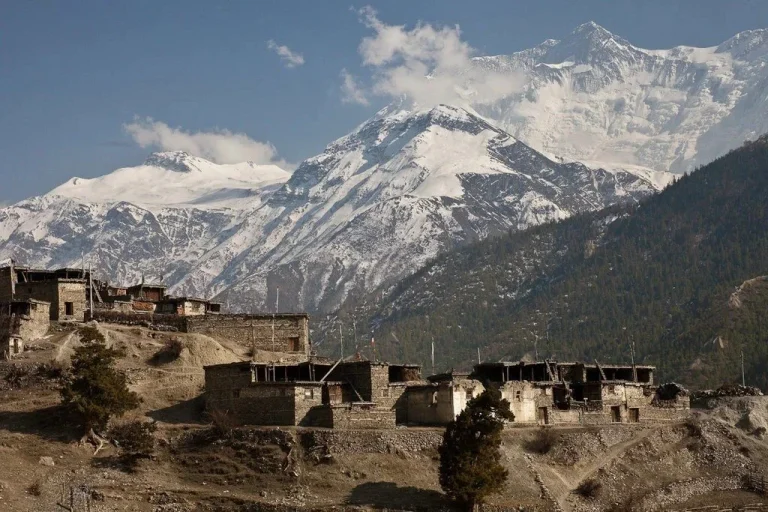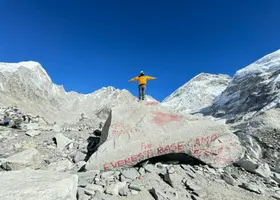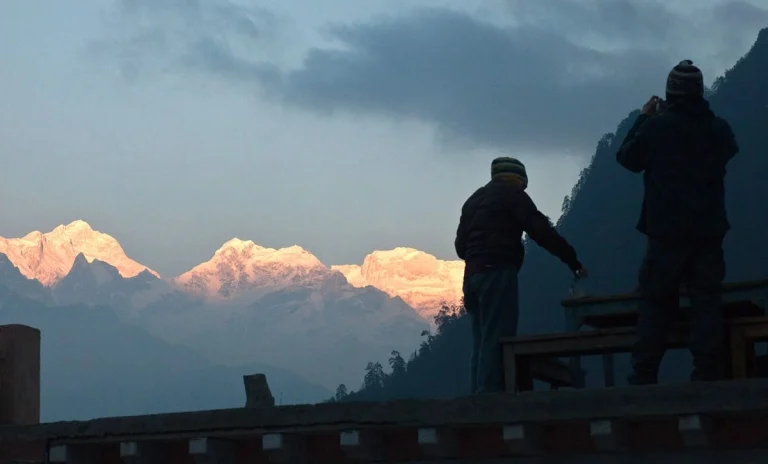

There’s something unique about trekking to Everest Base Camp in December. The busy autumn crowds are long past, the skies turn crystal clear, and the Khumbu region slowly transforms into a quieter, snow-covered landscape. For many trekkers, this is the time when the Everest Base Camp trek feels less commercialised and more personal.
But winter trekking in Nepal also comes with challenges that shouldn’t be underestimated. Temperatures drop well below freezing at higher elevations, daylight hours end up shorter, and blizzards can occasionally affect trails and flights. Even so, December remains one of the most rewarding months for trekkers who choose solitude, dramatic Himalayan views, and a more rugged mountain experience.
During the day, the path can feel surprisingly pleasant under the sun, especially around lower-altitude villages like Namche Bazaar and Tengboche. By night, however, the cold settles in quickly. Teahouse dining rooms fill with trekkers warming their palms around a stove while icy winds move through the valleys outside. This contrast is part of what makes EBC in December memorable. It’s quieter, harsher, and in many ways, more immersive than hiking at some stage in the peak season.
If you’re prepared for winter conditions and willing to exchange comfort for atmosphere, the Everest Base Camp trek in December can without difficulty turn out to be one of the most unforgettable adventures in the Himalayas.
Is December Worth It for the EBC Trek?
Yes, December can be an excellent time for the Everest Base Camp trek; however, it depends largely on the kind of trekking you’re looking for.
For trekkers who enjoy peaceful trails, sharp mountain visibility, and colder alpine conditions, December offers a different side of the Everest region that’s difficult to experience in the course of the crowded months of October and November. The weather is normally dry, the views are exceptionally clear, and finding accommodation along the path becomes much easier in comparison to the busy autumn season.
At the same time, this is also the start of winter in the Himalayas. Higher sections of the trail, especially above Dingboche and Lobuche, become much colder, especially during the mornings and nights. Snowfall is more common later in the month, and icy sections of the path can make trekking physically more demanding.
For skilled and reasonably fit trekkers with the right gear, the EBC winter trekking season can be surprisingly rewarding. The quieter atmosphere often allows for a deeper connection with the panorama, nearby villages, and the overall hiking experience. Photographers also prefer December because of the solid visibility and snow-covered mountain surroundings.
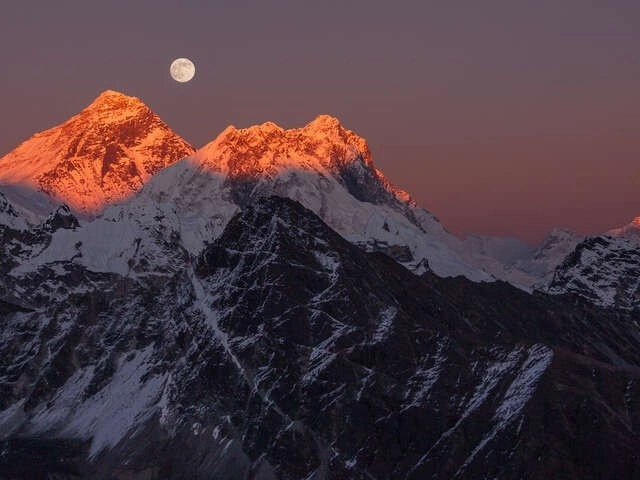
However, trekkers who are used to cold weather, have little trekking experience, or count on luxury-level comfort, may find December harder than predicted. Rooms in teahouses are unheated, water freezes at higher elevations, and weather-related flight delays can still appear despite generally stable situations.
In easy terms, December is less about comfort and more about the experience. If you can cope with the cold and prepare well, hiking to Everest Base Camp in winter may be one of the most visually stunning and peaceful times to be within the Himalayas.
Also, you can read the article: Best time to trek to Everest Base Camp from the USA.
What’s the Weather Actually Like in December?
December brings some of the clearest skies of the 12 months at the Everest trail. The monsoon season is long past, the air is dry, and visibility is sharp enough to look at Everest, Lhotse, and Ama Dablam as if they have been painted on. Little haze and fewer clouds are blocking the ridgelines.
But the cold is real, and you need to be prepared for it.
Daytime temperatures in Namche Bazaar sit around 0°C to 5°C. Higher up at Base Camp, assume -10°C to -15°C in the course of the day and -20°C or lower at night. Wind exposure increases above Dingboche, making temperatures feel even colder.
Early December is more stable with cleaner trails. By late December, blizzards become more likely, and sections above Lobuche can get icy, so microspikes are well worth throwing in your bag. Daylight hours are shorter, around 10 to 11 hours, so early starts can be counted as shorter than usual.
Come organized, and the climate truly works in your favor. The skies are dependable, the paths are quiet, and the mountain views are surely some of the greatest you may discover all yr.
Everest Base Camp Temperature in December
| Location | Elevation | Avg. Day Temp | Avg. Night Temp |
|---|---|---|---|
| Lukla | 2,860 m | 5°C to 8°C | -3°C to -6°C |
| Namche Bazaar | 3,440 m | 0°C to 5°C | -8°C to -12°C |
| Tengboche | 3,860 m | -2°C to 3°C | -10°C to -15°C |
| Dingboche | 4,410 m | -5°C to 0°C | -15°C to -18°C |
| Lobuche | 4,940 m | -8°C to -5°C | -18°C to -22°C |
| Gorakshep | 5,164 m | -10°C to -8°C | -20°C to -25°C |
| Everest Base Camp | 5,364 m | -10°C to -15°C | -20°C to -30°C |
Pros and Cons of Trekking to EBC in December
Advantages of Trekking in December
- Fewer crowds on the trail: October and November bring large numbers of trekkers each day. In December, the number of trekkers drop numerously. You get the trail mainly to yourself, teahouses feel extra comfortable, and you are not caught in a slow-moving line on narrow ridge sections.
- Crystal clear mountain views: The dry winter air brings almost zero haze, creating exceptionally clear mountain views. The views of Everest, Ama Dablam, Nuptse, and Lhotse in December are genuinely stunning. Many trekkers who have walked the path over a couple of seasons say December skies are the sharpest they’ve seen.
- Easier accommodation and direct Lukla flights: No want to book months in advance. Teahouses have more availability, you could be flexible with your itinerary, and Lukla flights in December are more direct with fewer delays due to air traffic congestion compared to height season.
- A more personal experience: The Khumbu area feels completely different when it’s miles quiet. Local teahouse proprietors have extra time to speak, the trail has a stillness to it, and the complete experience feels much less like a tourist route and more like an actual mountain journey.
Challenges of Winter Trekking
- The cold is severe: Temperatures at Base Camp can drop to -20°C or decrease at night. This is not the type of bloodless you push through with an extra sweater. You want the right layering, a strong napping bag, and quality gear.
- Icy trails and shorter days: Late December especially brings icy patches above Lobuche. Combined with shorter sunlight hours, you’ve got much less margin for slow starts or long breaks. Early mornings are non-negotiable.
- Some teahouses close: Not every teahouse on the route stays open via iciness. A few of the smaller ones, in particular above Dingboche, shut down in December. This makes route planning more important than during peak season.
How Hard Is the EBC Trek in December Really?
The EBC trek is challenging in any season. In December, the cold adds a difficult layer on top of the altitude because your body burns greater energy simply staying warm, which makes everything harder.
Physical difficulty:
- 130 km round ride over 12 to 14 days with significant elevation advantage.
- Cold increases electricity expenditure even on simpler trail days.
Beginner vs experienced:
- Experienced trekkers with high-altitude exposure will find it manageable with the right equipment.
- Beginners should think carefully because altitude and extreme cold together leave little room for mistakes.
Altitude and cold combined:
- AMS signs, such as fatigue and headache, are tougher to distinguish from preferred cold-related fatigue.
- The acclimatization schedule ought not to be rushed in winter.
Everest Base Camp Trek Itinerary for December (Sample)
| Day | Route | Elevation |
|---|---|---|
| Day 1 | Arrive Kathmandu | 1,400 m |
| Day 2 | Fly Kathmandu to Lukla, trek to Phakding | 2,610 m |
| Day 3 | Phakding to Namche Bazaar | 3,440 m |
| Day 4 | Acclimatization day in Namche Bazaar | 3,440 m |
| Day 5 | Namche Bazaar to Tengboche | 3,860 m |
| Day 6 | Tengboche to Dingboche | 4,410 m |
| Day 7 | Acclimatization day in Dingboche | 4,410 m |
| Day 8 | Dingboche to Lobuche | 4,940 m |
| Day 9 | Lobuche to Gorakshep, visit Everest Base Camp | 5,364 m |
| Day 10 | Hike to Kala Patthar, trek down to Pheriche | 4,240 m |
| Day 11 | Pheriche to Namche Bazaar | 3,440 m |
| Day 12 | Namche Bazaar to Lukla | 2,860 m |
| Day 13 | Fly Lukla to Kathmandu | 1,400 m |
| Day 14 | Buffer day / Final departure | – |
What to Pack for a December EBC Trek
Winter trekking at this altitude is unforgiving if you cut corners on gear. Every item below earns its place in your bag.
| Category | What to Pack |
|---|---|
| Base Layer | Moisture-wicking top and bottom, thermal trekking pants |
| Mid Layer | Fleece jacket or down sweater |
| Outer Layer | Down jacket rated -20°C or below, windproof and waterproof shell |
| Footwear | Insulated waterproof boots, microspikes, wool socks (4 to 5 pairs), camp sandals |
| Sleeping Gear | Four-season sleeping bag rated -20°C, sleeping bag liner |
| Accessories | Balaclava, wool hat, neck gaiter, insulated gloves with shell, UV sunglasses, trekking poles |
| Winter Essentials | High SPF sunscreen, lip balm, hand warmers, insulated water bottle, headlamp with extra batteries |
Teahouses, Food, and Getting to Lukla in December
December is simply one of the simpler months to handle logistics at the EBC path.
Most teahouses along the main course stay open through December. The smaller ones above Dingboche may also close, so it is worth confirming ahead. Heating is available in common dining areas, but bedrooms stay cold regardless, which is why your napping bag matters more than the teahouse itself at this altitude.

Food options are simple but sufficient for trekkers. Dal bhat, noodles, soups, and hot beverages are to be had at some stage in the path. Options get limited as you walk up, but nothing is a good way to leave you underfueled. Charging device prices increase and become more expensive at higher elevations, so carrying a power bank is a clever choice since cold weather drains batteries more quickly than traditional ones.
Lukla flights are clearly more straightforward in December than in peak season. Fewer air visitors means fewer congestion delays and more predictable schedules. Weather-related delays are nonetheless possible in late December, so maintaining one or buffer days on your itinerary is continually an awesome idea. Helicopter evacuation is available if wanted, and a solid tour insurance coverage should cover it.
How Much Does the EBC Trek Cost in December?
The Everest Base Camp trek package from Nepal Outdoor Expeditions starts at $1,550 per person, which includes your guide, porter, all meals, teahouse lodging, Lukla flights, and each required permit. December ma off season pricing hunxa, so you are much less likely to face peak-season surcharges.
Here is a complete breakdown of what to anticipate cost-wise:
| Expense | Estimated Cost |
|---|---|
| Package | $1,550 per person |
| Sagarmatha National Park Permit | Included in package |
| Khumbu Pasang Lhamu Permit | Included in package |
| Lukla Return Flights | Included in package |
| Guide and Porter | Included in package |
| Teahouse Accommodation | Included in package |
| All Meals (Breakfast, Lunch, Dinner) | Included in package |
| Extra Drinks, Desserts, WiFi | $3 to $10 per item on trail |
| Hot Shower and Device Charging | $2 to $5 per use |
| Winter Gear (if renting in Kathmandu) | $50 to $150, depending on items |
| Travel Insurance | $80 to $150, depending on provider |
| Tips for Guide and Porter | $100 to $150 recommended |
| Nepal Visa | $30 to $50, depending on duration |
One thing worth noting is that December charges (price goes up) at teahouses along the path are normally decreased or at par with the normal price since foot traffic is low. You will not be competing for beds or paying inflated costs as you will in October.
For the total package info or to book your December trek, visit our website, or you can contact Nepal Outdoor Expeditions.
Altitude Sickness and Staying Safe in Winter
Altitude illness does not discriminate. It can hit healthy, experienced trekkers just as easily as novices, and in December, the bloodless makes it more difficult to capture early due to the fact that the symptoms overlap with widespread wintry weather exhaustion.
The best way to keep away from AMS is to not rush. The well-known acclimatization stops at Namche Bazaar, and Dingboche exist for a reason and skipping or shortening them in wintry weather is one of the most common mistakes trekkers make. Your body needs time to adjust to decreased oxygen levels, irrespective of how good you feel.
Hydration is another factor people underestimate in cold climates. You do not feel as thirsty in the cold, but your body is still losing fluids, specifically at altitude. Aim for at least three to 4 liters of water a day and avoid alcohol, which dehydrates you and affects how your body handles altitude.
Know the signs and symptoms. Persistent headache, nausea, lack of urge for food, dizziness, and difficulty dozing are all caution signs. If signs and symptoms seem, relaxation and do not ascend similarly. If they worsen, descend immediately. No summit or base camp is really worth pushing via severe AMS.
A few other safety points worth preserving in mind:
- Trek with a certified guide in December. Trails can get icy and less trafficked, and having a person experienced with you adds a real layer of safety.
- Get travel insurance that mainly covers excessive altitude trekking and helicopter evacuation. This is non-negotiable.
- Carry basic drugs such as Diamox, ibuprofen, and a simple first aid package.
- Always begin walking early to make the maximum of daylight and keep away from being caught on exposed sections after dark.
So, Should You Go in December?
December may not suit everyone, and this is exactly what makes it unique for those it does fit.
If you have prior altitude experience, the right tools, and do not think about the cold conditions, December might actually be your pleasant shot at this trek. The skies are clear, the path is quiet, and the whole place feels more private than anything high season can offer.
The bloodless is actual, a few teahouses are closed, and Lukla’s weather may be unpredictable. But none of those is dealbreakers in case you cross in organized with a strong itinerary, a great guide, and proper travel coverage.
First-timers or those uncertain about winter hiking are better off in October or November. But if you understand what you’re signing up for, December is genuinely well worth it.
FAQs
Is the Everest Base Camp trek possible in December?
Yes, the path is open and possible in December. It is not the easiest month; however, with the proper training, it is a whole lot more manageable.
How cold does it get at Everest Base Camp in December?
Daytime temperatures at Base Camp sit around -10°C to -15°C. At nighttime, it may drop to -20°C or decrease, and the wind chill makes it even colder on uncovered sections.
Are teahouses open in December on the EBC trail?
Most teahouses alongside the primary route live open. A few smaller teahouses above Dingboche may close during winter, so it is best to confirm availability in advance.
Do I need a guide for the EBC trek in December?
It isn’t mandatory but strongly encouraged. Trails can get icy and much less trafficked in winter, and having an experienced manual provides a proper layer of protection.
How difficult is the EBC trek in December compared to other months?
The trail difficulty remains similar; however, the cold contributes to the overall undertaking. Altitude and freezing temperatures collectively leave less room for mistakes than in the height of the season.
What permits do I need for the Everest Base Camp trek in December?
You need the Sagarmatha National Park Entry Permit and the Khumbu Pasang Lhamu Rural Municipality Permit. Both may be arranged in Kathmandu or Namche Bazaar.
How much does an EBC trek cost in December?
A trendy guided EBC trek in December costs anywhere between $1,200 and $2,500, depending on your organization, group size, and what is included. Budget trekkers doing it independently spend much less; however, wintry weather isn’t always the best season to move without a guide.
Can beginners do the EBC trek in December?
It is possible, but not the best. The combination of altitude and severe cold is better treated by means of someone with previous experience of excessive altitude or cold climates.