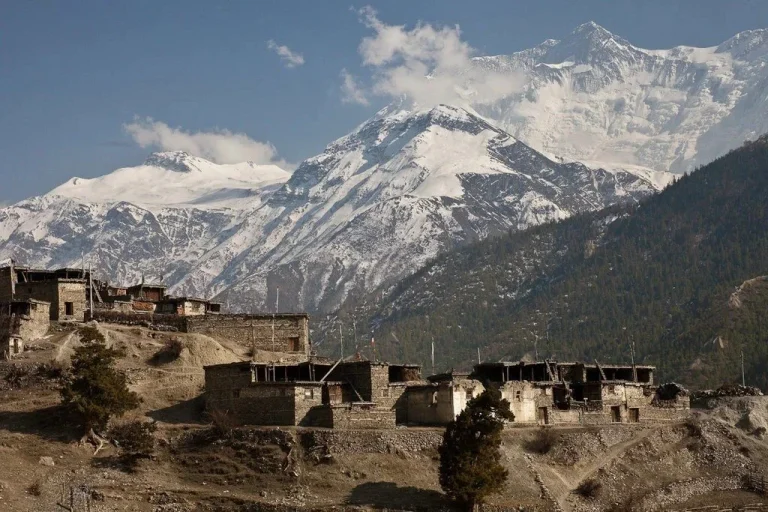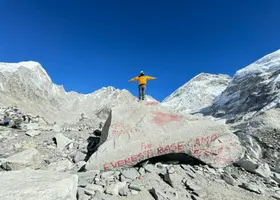
The Ghorepani Poon Hill Trek is one of the most popular short treks in Nepal, starting from Pokhara. It offers beautiful trails, welcoming communities, charming villages, and stunning Himalayan scenery. The route is suitable for beginners and provides a comfortable balance of adventure, safety, and natural beauty.
The trek offers a perfect mix of adventure, culture, and nature. Rivers, forests, and birds create a peaceful atmosphere from the beginning. Each village along the trail has its own character, reflecting the simple lifestyle and close connection between local communities and nature.
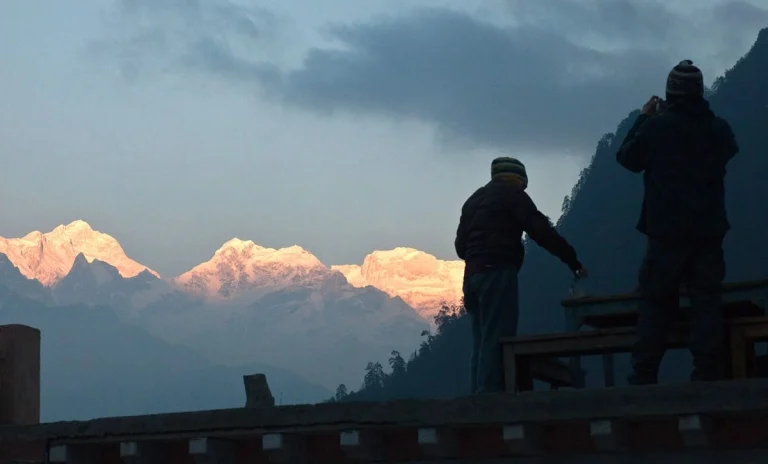
The highlight of the trek is the sunrise from Poon Hill, one of the most popular viewpoints in the Annapurna region. Watching the mountains glow in shades of orange, pink, and gold as the first light reaches their peaks is a memorable experience.
The journey starts in Pokhara, a beautiful lakeside city known for its relaxed atmosphere. The trail leading to Poon Hill from Pokhara offers a refreshing escape into nature. Although the trek usually takes 3–5 days, it leaves a lasting impression on travelers.
Quick Facts
- Region: Annapurna Region, Nepal
- Trip Duration: 3–5 days
- Best Months: March–May and September–November
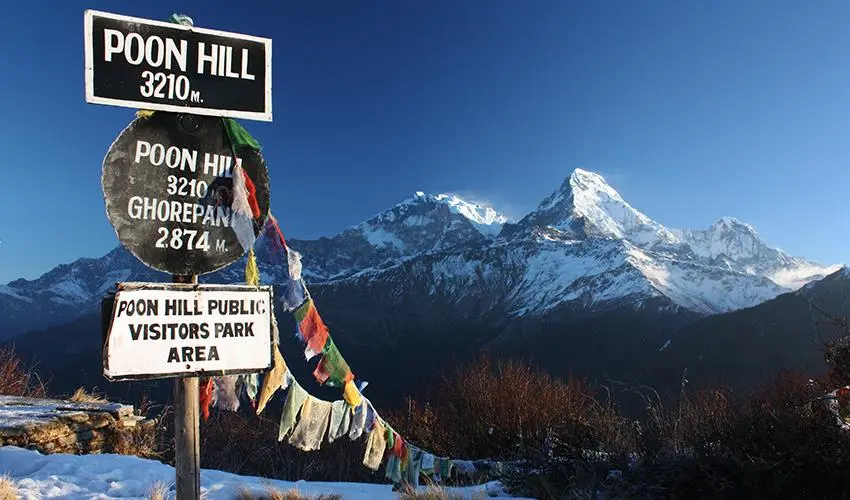
- Max Elevation: 3,210 meters (Poon Hill Viewpoint)
- Difficulty Level: Easy to Moderate
- Key Attractions: Sunrise at Poon Hill, rhododendron forests, Gurung and Magar villages, Annapurna and Dhaulagiri mountain ranges, and stone-paved trails
A Quick and Scenic Himalayan Escape on the Ghorepani Poon Hill Trek
Those interested in nature, fresh mountain air, and local culture will find plenty to enjoy on the Ghorepani Poon Hill Trek from Pokhara. The route passes through scenic villages, stone-paved paths, and lush forests. Each day brings a different atmosphere, from misty mornings and sunny afternoons to warm evenings in cozy teahouses.
The trek is suitable for first-time hikers and attracts travelers of different ages. The route is manageable with a comfortable pace and offers views of Dhaulagiri, Hiunchuli, Machhapuchhre (Fishtail), and Annapurna South. From Poon Hill at 3,210 meters, trekkers can enjoy a wide Himalayan panorama.
Unlike longer Himalayan expeditions that require extensive preparation, this trek allows travelers to experience mountain scenery, local culture, and village life within a few days.
What Makes the Ghorepani Poon Hill Trek Special?
The Ghorepani Poon Hill Trek offers a balance of comfort, manageable walking, and natural beauty. It is short but rewarding and does not require exceptional fitness or weeks of training. Despite its moderate difficulty, the trek provides impressive Himalayan views within a limited timeframe.
This trek stands out for several reasons:
1. One of the Best Sunrise Views in Nepal
Poon Hill is famous for panoramic sunrise views over the Dhaulagiri and Annapurna ranges. As the sun rises, the mountains gradually change from soft pink to warm golden tones, creating one of the most memorable moments of the trek.
2. Beginner-Friendly Trek
The route has no technical climbing sections or extreme elevations, although some parts, such as the Ulleri stone steps, can be physically demanding. With a steady pace and proper preparation, the trek is manageable for beginners and families.
3. Short and Time-Friendly
The trek can usually be completed in three to five days, making it a good option for travelers who want a Himalayan experience while working with a limited schedule.
4. Beautiful Forests and Traditional Villages
The trail passes through villages such as Ulleri and Ghorepani, crosses suspension bridges, and winds through colorful rhododendron forests. Spring is especially beautiful when the rhododendrons bloom. The journey also provides opportunities to experience rural life and interact with local communities.
5. Easy Access From Pokhara
With convenient transportation from Pokhara to the trailhead, the trek is one of the more accessible short trekking routes in Nepal.
Trek Insights
How to Reach the Location
The trek traditionally begins at Nayapul, although some itineraries start from Hile or Tikhedhunga. Nayapul is about 1.5 hours from Pokhara by road, depending on traffic and road conditions. The drive passes through hills, farmlands, rivers, and small settlements before reaching the trekking area.
Travelers who prefer a shorter first walking day can take a private jeep to Ulleri or Hile. This reduces the initial walking distance and allows trekkers to reach the higher sections of the route more quickly.
Transportation Options
Trekkers can reach the starting point through several transport options:
Local Bus: Buses from Pokhara Bus Park toward Baglung are the most budget-friendly option. They are suitable for travelers who want an authentic local experience.
Shared Jeep: Shared jeeps are faster and more comfortable than local buses. They are a popular choice for small trekking groups.
Private Car or Jeep: Private vehicles offer greater comfort, privacy, and flexibility. They are ideal for families, older travelers, or anyone looking for a relaxed journey.
Road conditions are generally manageable, although some sections can be bumpy and uneven near villages.
Accommodation
Teahouses are available at major stops such as Tikhedhunga, Ulleri, Ghorepani, Tadapani, and Ghandruk. They provide simple but comfortable rooms, usually with twin-sharing beds, warm blankets, and dining areas with fireplaces.
Common food options include:
- Traditional Nepali dal bhat
- Soups
- Pasta and noodles
- Fried rice
- Omelets and pancakes
- Coffee, ginger lemon honey tea, and regular tea
Ghorepani and Ghandruk also have more comfortable lodges with additional facilities and mountain views. Most teahouses provide a cozy setting where trekkers can relax, share stories, and enjoy peaceful evenings.
Packing Essentials
Even for a short trek, careful packing is important. Essential items include:
- Warm and lightweight jacket
- Good-grip trekking shoes
- Comfortable walking pants
- Poncho or raincoat
- Warm hat and gloves
- Water bottle
- Water purification tablets or a reusable filter
- Power bank
- Sunglasses and sunscreen
- Lightweight backpack
- Basic first-aid kit
- Snacks such as nuts and energy bars
Keep your luggage light. Carrying a heavy backpack on steep sections, especially the Ulleri stone steps, can make the trek more tiring.
Estimated Costs (Packages)
Costs vary depending on the level of comfort, trek duration, transportation, and services included in the package.
| Package Type | Nepal Cost (NPR) | Approx. Cost (USD) |
|---|---|---|
| Budget Trek | NPR 8,000–12,000 | 56–84 USD |
| Standard Trek | NPR 15,000–25,000 | 105–176 USD |
| Guided Trek + Porter | NPR 25,000–40,000 | 176–282 USD |
Permits
Two permits are required for the Ghorepani Poon Hill Trek:
- Annapurna Conservation Area Permit (ACAP)
- Trekkers’ Information Management System (TIMS) Card
Both permits can be obtained from the Tourism Office in Pokhara. Trekkers should carry passport details and the required passport-sized photographs when applying.
Travel Experience
Scenery & Nature
The Ghorepani Poon Hill Trek takes you through a beautiful natural landscape filled with streams, waterfalls, and lush forests. The trail passes through extensive rhododendron forests, which become especially colorful in spring when red, pink, and white flowers bloom. Along the way, trekkers cross bridges, walk beside waterfalls, and follow refreshing mountain streams.
Each day offers new mountain scenery. Machhapuchhre stands out with its distinctive fishtail-shaped summit, while Annapurna South creates an impressive backdrop along the route. From Poon Hill, trekkers can enjoy a wide panorama of the Himalayan range. Early mornings bring crisp mountain air, while evenings are generally peaceful and relaxing.
Culture & Local Life
The villages along the route are mainly home to Gurung and Magar communities, known for their warmth and hospitality. Terraced fields, stone houses, and small farms reflect the traditional lifestyle of the mountain communities. Teahouse owners often share stories about their families, villages, and the mountains, giving trekkers a closer look at local life.
During festivals and cultural occasions, visitors may see traditional clothing, jewelry, music, and local celebrations. The trek provides an easy introduction to rural Nepali culture while allowing travelers to enjoy the peaceful mountain environment.
Spiritual & Historical Sites
The trail features small monasteries, chortens, and colorful prayer flags that add a spiritual atmosphere to the journey. Prayer wheels along the trail provide quiet moments for reflection. In Ghandruk, the Gurung Museum displays traditional clothing, utensils, and historical artifacts, helping trekkers understand the local culture and history.
Trekking Challenges
Although the Ghorepani Poon Hill Trek is considered easy to moderate, a few sections can be physically demanding:
- Ulleri Steps: Ulleri is known for its steep section of more than 3,000 stone steps. The climb can be tiring, especially when carrying a heavy backpack, but regular breaks make it manageable.
- Cold Mornings: The early-morning hike to Poon Hill can be very cold, so warm layers, gloves, and a hat are important.
- Altitude: The trek reaches a moderate elevation. Walking at a steady pace and staying hydrated can help reduce discomfort.
- Weather: Rain, fog, clouds, and sudden weather changes can occur in the mountains. Carrying waterproof clothing is recommended.
With basic fitness and proper preparation, most trekkers can manage these challenges comfortably.
If you want those same Annapurna views with an even gentler trail, our Dhampus Village Trek guide covers the easiest option near Pokhara.
Suggested Itinerary
Day 1: Pokhara to Nayapul and Trek to Tikhedhunga
The journey begins with a short drive from Pokhara to Nayapul, the traditional starting point of the trek. The trail follows fields, small villages, and riverside paths. This relatively easy day allows trekkers to adjust to the mountain environment.
Day 2: Tikhedhunga to Ulleri and Ghorepani
The day begins with the famous Ulleri stone steps. The climb is challenging but rewarding. After Ulleri, the trail enters a cool rhododendron forest before reaching Ghorepani, where trekkers can relax and enjoy mountain views from the teahouses.
Day 3: Sunrise at Poon Hill and Trek to Tadapani
Start before dawn for the hike to Poon Hill and enjoy the sunrise over the Annapurna and Dhaulagiri ranges. After returning to Ghorepani for breakfast, continue through moss-covered forests and scenic trails toward Tadapani.
Day 4: Tadapani to Ghandruk
Walk through open meadows and dense forests while enjoying the sounds of streams and birds. As you approach Ghandruk, the trail follows stone-paved paths with views of Machhapuchhre and the Annapurna range.
Day 5: Ghandruk to Nayapul and Drive Back to Pokhara
The final day follows a gentle route through traditional villages and terraced farmland before reaching Nayapul. From there, drive back to Pokhara and conclude the trek.
Tips and Recommendations
- Start the Poon Hill hike early to enjoy the best sunrise colors.
- Drink plenty of water to stay hydrated throughout the trek.
- Carry enough cash because there are no ATMs along the trail.
- Wear sturdy trekking shoes with good grip for comfort and stability.
- Avoid carrying heavy bags. Hire or rent a porter if needed.
- Walk at a comfortable pace, take regular breaks, and eat warm meals.
- Respect local culture, traditions, and community practices.
- If you have extra time in Pokhara before or after, our guide to the Pumdikot Shiva Statue covers a short, worthwhile side trip.
- Check the weather conditions before starting each day’s hike.
- Interact respectfully with local people and enjoy learning about their way of life.
If cost is your main question, our breakdown of Dhampus Sarangkot trek cost covers everything you need to know before you go.
FAQs
1. How Many Hours Do Trekkers Usually Walk Each Day?
Trekkers usually walk for 4–6 hours a day at a relaxed pace. The exact duration depends on the route, walking speed, and number of rest breaks.
2. Are Hot Showers Available During the Trek?
Yes, most popular teahouses offer hot showers. Some lodges may charge an additional fee, especially at higher elevations.
3. Do Teahouses Have Blankets or Should I Bring My Own Sleeping Bag?
Teahouses generally provide blankets. However, carrying a lightweight sleeping bag is useful, especially during winter when temperatures can drop significantly.
4. Is Drinking Water Safe Along the Trail?
Trekkers should treat natural or tap water before drinking it. Water purification tablets, filter bottles, or safe drinking water from teahouses are good options.
5. Are Snacks and Drinks Available on the Route?
Yes, teahouses and small shops sell snacks, tea, and soft drinks. Prices may increase as you gain elevation.
6. Can Someone With Mild Knee Pain Manage This Trek?
Some people with mild knee discomfort may manage the trek with proper preparation and trekking poles. Take extra care on steep sections, especially the Ulleri stone steps, and consult a medical professional if needed.
7. Are Mobile Networks Available Throughout the Trek?
Mobile network coverage is available in many parts of the route, although signals can become weaker in forests and valleys. Many teahouses also provide Wi-Fi for an additional fee.
8. What Kind of Food Do Trekkers Usually Eat on This Route?
Common meals include dal bhat, fried rice, noodles, pancakes, soups, and other simple dishes. Most teahouses serve warm, freshly prepared meals.
9. Is It Possible to Do This Trek During Winter?
Yes, the trek can be completed in winter. Mornings and evenings are cold, but clear winter skies can provide excellent mountain views. Warm clothing is essential.
10. Can Children or Older Travelers Join This Trek?
Yes. Children and older travelers can enjoy the trek if they are physically comfortable with several hours of walking. A slower pace, regular breaks, and proper preparation can make the journey more manageable.