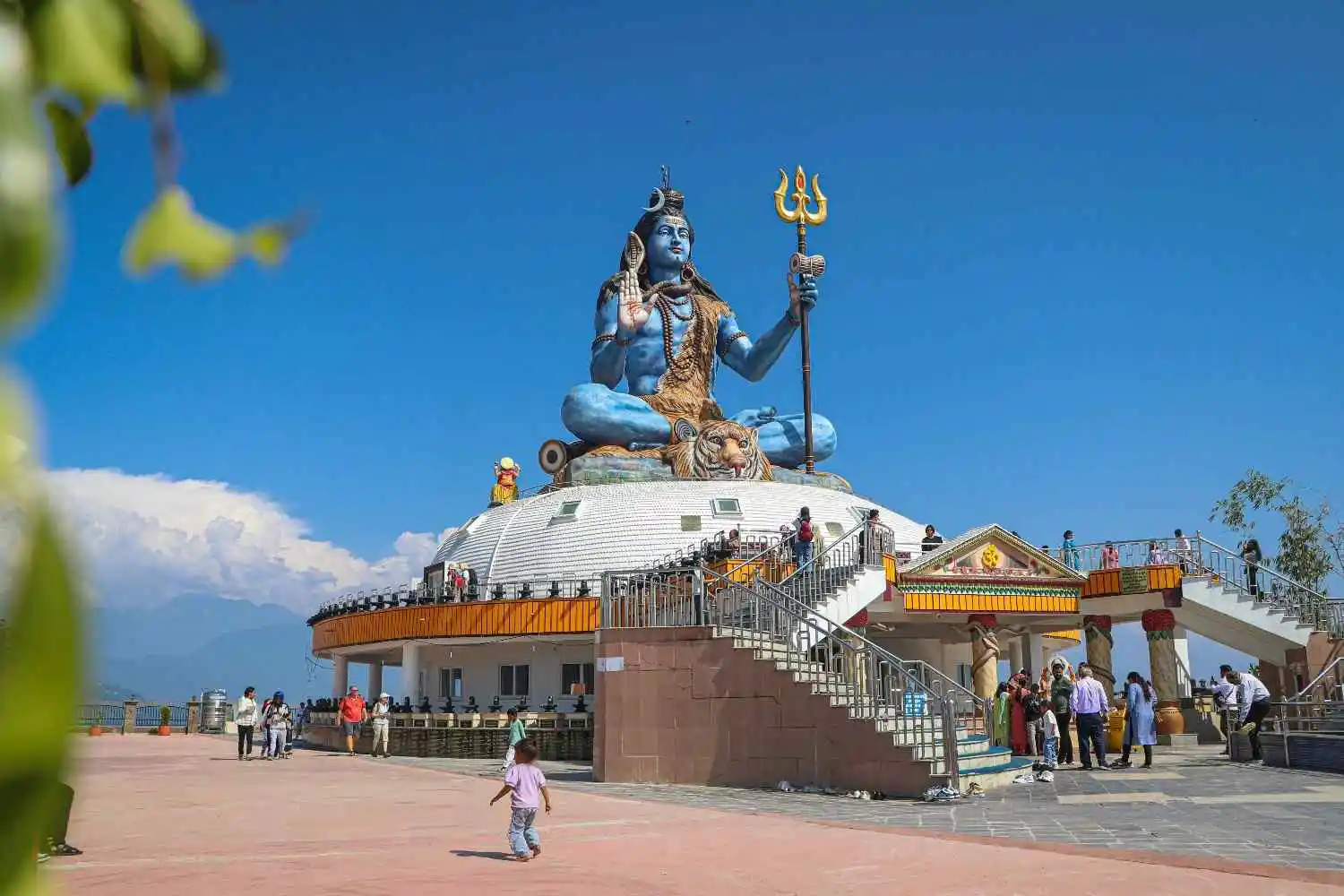
The Pumdikot Shiva Statue is one of the most impressive contemporary spiritual sites in Nepal. It towers over the Pokhara Valley from a serene hilltop. But it’s more than just a statue.
It blends religion, culture, landscape, and local identity into one experience. International tourists have a unique chance here. They can explore the spiritual symbolism of the region while enjoying panoramic views of the Himalayas.
Pumdikot is not only a destination for pilgrims. It also appeals to cultural explorers, photographers, and travelers who seek meaningful places beyond the big tourist capitals.
Introduction to the Pumdikot Shiva Statue
Though relatively new, the Pumdikot Shiva Statue has quickly become an important spiritual site in Nepal. Located on a hill close to Pokhara, it has already gained cultural pride and recognition. Visitors looking to go beyond trekking and adventure tourism find it a new point of interest. It offers a chance to learn more about Nepal’s culture, heritage, and spiritual life.
Why Pumdikot Matters in Nepal’s Spiritual and Tourism Landscape
Pumdikot is significant because it shows how modern Nepal is still influenced by ancient beliefs. Lord Shiva is central to Hindu philosophy. Nepal is one of the ancient cultures that contributed to Shaivism globally. Placing a monumental Shiva statue on a hilltop follows a deep-rooted spiritual tradition. High grounds are considered closer to the divine, perfect for meditation, worship, and reflection.
Pumdikot also bridges a gap in tourism. Pokhara is known worldwide for paragliding, trekking, and Lakeside relaxation. Pumdikot adds a cultural and religious theme to this image. It encourages tourists to slow down, learn from locals, and engage with the culture instead of just rushing to activities.
The site also reflects cultural development by the community. Pumdikot is a contemporary project created through local effort, faith, and vision. The area had little progress for centuries, making this achievement remarkable. It demonstrates how living cultures can evolve without disrespecting tradition. For foreign visitors, it provides insight into modern Nepal—a nation where spirituality is not just historical but a living, present practice.
In simple terms, this is why Pumdikot matters. At the meeting point of spiritual depth, scenic beauty, and contemporary tourism, it offers visitors a chance to experience Nepalese spiritual heritage while enjoying some of the finest views in the Pokhara area.
Location and Geographical Setting
The Pumdikot Shiva Statue sits atop a tranquil hill. The elevation offers peace and calm away from the busy city. The site has spiritual significance and global tourist appeal.</p>
Pumdikot Hill and Its Proximity to Pokhara
Pumdikot Hill is only a few minutes from Pokhara city. Yet it feels uncongested, serene, and natural. The hill is easily accessible via a short drive from the popular Lakeside area. Part of the route can also be explored on walking paths. This makes it ideal for tourists who want cultural experiences without long travel or difficult hiking.
The hill is geographically expansive. It offers open views of the Pokhara Valley below, with the city, farmlands, and forests naturally spread across the landscape. On clear days, bits of the Himalayan range can be seen, enhancing the feeling of height and awe. According to Hindu and Buddhist traditions in Nepal, high places promote clarity of mind and spiritual orientation. The statue’s location was carefully chosen based on this belief.
The setting creates a strong first impression for travelers. The slow ascent from the city builds anticipation. As visitors reach the hilltop, fresh air, expansive views, and calmness create a feeling of detachment from daily life. This natural environment allows both religio
us and non-religious visitors to connect deeply with the place.
Design, Scale, and Symbolism of the Pumdikot Shiva Statue
The Pumdikot Shiva Statue is designed with reverence and deep spiritual significance. Its size, placement, and artistic details are guided by traditional Hindu symbolism. Modern construction techniques make it a landmark visible across the valley for several miles.
Architectural Features and Iconography
The statue is monumental in size. Its design is large enough to dominate the hilltop, yet it does not overwhelm the natural environment. Straight lines and careful proportions reflect classical Hindu sculpture, integrated into contemporary construction with durable materials to withstand outdoor conditions.
Lord Shiva stands serene and composed. His facial features radiate calmness and inner strength. The trident (Trishul), closely associated with Shiva, is a central visual element. It represents dominion over creation, maintenance, and destruction. The overall design avoids unnecessary decoration. Instead, it emphasizes clarity, symmetry, and spiritual presence.
Even for international visitors unfamiliar with Hindu art, the statue communicates meaning. Its serene face, upright stance, and high position naturally suggest peace, strength, and contemplation. This universal visual language makes the statue accessible and comprehensible across cultures.
Spiritual Symbolism of Lord Shiva’s Representation
In Hindu belief, Lord Shiva symbolizes transformation, balance, and transcendence. He is called a destroyer, but this is not negative. It is a force that clears the old to make way for renewal. The Pumdikot statue conveys this with a peaceful demeanor, rather than a dramatic or violent expression.
The stillness of the statue signifies meditation and mastery over oneself. This reflects Shiva’s role as the highest yogi. Its elevated position above the valley emphasizes detachment from material concerns, encouraging a broader perspective on life. This symbolism resonates deeply with Nepalese culture, where mountains and high places are traditionally linked to wisdom and enlightenment.
For tourists, this symbolism enhances the visit. Even without participating in religious practices, observing the statue encourages reflection. The design prompts visitors to pause, take in the vast landscape, and contemplate their own thoughts. It creates an experience that is both cultural and personal, leaving a lasting impression.
Religious and Cultural Significance
The religious significance of the Pumdikot Shiva Statue is profound. It also reflects Nepal’s living culture. The site is a convergence of belief, everyday life, and landscape. It matters not only to worshippers but also to visitors seeking cultural insight.
Lord Shiva and His Philosophy
Lord Shiva is one of the key and most complex deities in Hindu philosophy. He embodies change, equality, and the cycle of creation and renewal. Though sometimes called a destroyer, this destruction is not negative. It is seen as a necessary process to remove ignorance and make space for new beginnings. Many Hindus use this concept to explain life, change, and personal development.
Shiva is also called the great yogi, symbolizing meditation and inner discipline. He represents composure, quietness, and profound consciousness rather than action. That is why Shiva statues, including the one at Pumdikot, are shown with serene expressions rather than dynamic or aggressive poses. For believers, this encourages self-reflection, calmness of mind, and spirituality.
For international tourists, understanding Shiva explains why these statues are so revered in Nepal. Shiva is more than a deity worshiped on special days. He is part of everyday faith, celebrations, prayers, and even the way people think about life and nature. From a cultural perspective, seeing a statue like Pumdikot is deeply fulfilling.
Importance of Hilltop Shiva Monuments
Hilltops have long been sacred in Nepal and South Asia. Hindus believe higher places connect more closely with the divine. Elevated sites help people rise above worldly distractions. That is why many Shiva temples and statues are on hills, mountains, or elevated locations.
This tradition explains the placement of the Pumdikot Shiva Statue. The process of ascending the hill—by car or on foot—is an allegory for a spiritual journey. The tranquil setting helps calm the mind and focus on the present. Moving away from the bustling city below, visitors experience a sense of peace. The expansive scenery strengthens perspective, reminding people how small daily concerns are compared to the immensity of nature.
Even non-religious visitors feel the impact. Height, silence, and open sky create a sense of peace that anyone can experience. This is why hilltop Shiva monuments are popular not just with pilgrims but also with those who want a moment of reflection or a connection to something larger than themselves.
History and Development of the Pumdikot Shiva Project
The Pumdikot Shiva Statue is a recent vision, yet its origins are deeply rooted in community belief and cultural preservation. How it developed shows that traditional faith still shapes modern Nepal.
Vision, Construction, and Community Involvement
The idea for the Pumdikot Shiva Statue grew from a shared community vision. Local residents wanted to create a spiritual and cultural destination that reflected the region’s identity while attracting tourists. Rather than relying on traditional authorities, local organizations and community members took the lead. They shaped the project, guided its development, and turned their vision into reality.
Building a monument on a hilltop presented significant challenges. The project team had to carefully plan how to transport materials, ensure structural stability, and adapt the construction to the land’s topography. Engineers combined traditional artistic values with modern construction techniques to create a strong and durable statue that respects its religious significance. This balance between modern engineering and cultural meaning defines one of the project’s most distinctive features.
Community participation remained central throughout the project. Local residents contributed funds, coordinated construction efforts, and continue to maintain the site. Their shared sense of ownership remains visible in the care and pride they show toward the area.
For international visitors, understanding this background adds greater depth to the experience. The Pumdikot Shiva Statue represents more than a sightseeing monument; it embodies living faith, community collaboration, and cultural pride.
Pumdikot as a Scenic Viewpoint
The Pumdikot Shiva Statue is admired not only for its spiritual significance but also as one of the most peaceful viewpoints in the Pokhara region. It sits atop a hill, offering broad, unobstructed views. Mountains, valleys, and lakes merge in a single, breathtaking panorama. Visitors can truly take it all in.
Himalayan, Valley, and Lake Views
The view from Pumdikot hilltop feels expansive and peaceful. On clear days, visitors can see parts of the Himalayan range on the horizon. Snow-capped peaks create a stunning backdrop and remind travelers why Nepal is known as the land of mountains. The site rarely gets crowded, allowing visitors to enjoy the scenery at their own pace without rushing or constantly moving for photos.
To the east, visitors can see the Pokhara Valley, where urban areas, green fields, forests, and winding roads blend into the landscape. This viewpoint helps travelers understand how Pokhara fits into the surrounding geography. Mountains and hills embrace the city, keeping it closely connected to nature. The landscape demonstrates a balance between human settlement and the natural environment.
The most unique view within Pumdikot is Phewa Lake. On clear days, it reflects the sky like a tranquil mirror. Early mornings and late afternoons are especially magical. The soft light creates a serene atmosphere that visitors find deeply relaxing.
Sunrise and sunset are unforgettable times to visit. Morning light gradually reveals the valley and mountains. Evening light bathes the landscape in warm colors, casting large shadows. Even travelers not focused on photography often end up lingering, just sitting and soaking in the scenery.
What makes Pumdikot special is not just what you see, but how it makes you feel. The open space, fresh air, and silence encourage thought and calm. Whether for spiritual reflection or simply enjoying the views, this viewpoint provides a sense of tranquility that visitors carry with them long after leaving Pokhara.
Visitor Experience at Pumdikot
Layered with spiritual significance and scenic beauty, the Pumdikot Shiva Statue offers a peaceful and rewarding experience. Worshippers will feel at home, and international tourists can also appreciate the atmosphere. The site is suitable for sightseeing, meditation, photography, or simply admiring the surroundings.
What International Travelers Can Expect
Visitors can expect a quiet atmosphere rather than the usual tourist chaos. The pace is slow, giving you time to enjoy the scenery and understand the cultural significance of the site. The ambience is welcoming, even if you are unfamiliar with Hindu traditions.
- An open hilltop setting.
- Clear walkways and open viewing areas.
- Space for prayer and silent reflection.
- Extensive views of Pokhara Valley and the surrounding landscape.
- A culturally respectful and tourist-friendly atmosphere.
- Plenty of photography and sightseeing opportunities.
How to Visit Pumdikot Shiva Statue
Reaching Pumdikot is relatively easy, especially if you are based in Pokhara. It is not very remote, and visitors do not need to undertake a long or demanding walk. This makes the site suitable for visitors of different ages and fitness levels.
Access, Transportation, and Best Time to Visit
Pumdikot is situated near the city of Pokhara, and the majority of tourists start their journey from Lakeside. Over the last few years, the road leading to Pumdikot has been upgraded. Cabs, personal vehicles, and motorbikes can get close to the site. Visitors can park a short distance from the statue and then take a short walk to reach it. This gradual approach also adds to the relaxing experience of the location.
For travelers seeking a bit of adventure, walking or hiking part of the way is a great option. You can experience local villages and enjoy the surrounding nature. For those without private transport, taxis or ride-hailing services are the most accessible and convenient options for international visitors.
Pumdikot is most enjoyable in clear weather, usually in the morning or late afternoon. Early mornings offer fresh air and quiet surroundings, while late afternoons provide pleasant scenery and softer light.
During the dry seasons, visibility is enhanced, especially toward the mountains and Pokhara Valley. Visiting during major Hindu celebrations can be culturally rewarding. However, visitors should be aware that these periods usually attract more local visitors.
Cultural Tourism, Local Impact, and Sustainability
The Pumdikot Shiva Statue is significant in developing cultural tourism in Pokhara. It is more than just a sightseeing spot. It adds depth to the tourist experience by introducing visitors to local culture, spirituality, and tradition alongside the region’s well-known adventure activities.
Economic and Cultural Benefits for the Pokhara Region
The rising popularity of Pumdikot is creating new opportunities for local communities. Shops and small vendors receive more customers, while taxi and transport services benefit from increased visitor numbers. The site also encourages local pride in cultural and religious heritage.
Tourism at Pumdikot can support a slower and more community-focused experience. The statue demonstrates how a place of worship can contribute to local livelihoods while helping preserve cultural traditions and encouraging responsible tourism.
Some clear impacts include:
- Increased income for local vendors and small shops.
- Growth in local taxi and transport services.
- Reduced reliance on Lakeside-based tourism.
- Greater community empowerment.
- Encouragement of respectful and educational tourism.
- Increased awareness of cleanliness and preservation.
- Support for long-term sustainable cultural tourism development.
Is the Pumdikot Shiva Statue Worth Visiting?
Absolutely. Travelers looking for more than just sightseeing will appreciate Pumdikot for its combination of spiritual significance, cultural insight, and stunning landscapes. Its convenient location near Pokhara makes it accessible to both religious travelers and curious visitors.
The serene setting encourages visitors to slow down, reflect, and connect with nature. Visiting also supports the local community and contributes to the preservation of cultural traditions, making it a meaningful addition to a Pokhara itinerary.
Explore the Tour Packages:
FAQs
1. Is there an entrance fee to visit the Pumdikot Shiva Statue?
There is generally no fixed entrance ticket price. Visitors may be asked for a small donation or maintenance fee to support cleaning, upkeep, and management of the site.
2. Are there dress guidelines international visitors should follow at Pumdikot?
There are no strict dress rules, but Pumdikot is a sacred site, so modest clothing is appreciated. Visitors should consider covering their shoulders and knees, particularly when prayers or religious ceremonies are taking place.
3. Is the Pumdikot Shiva Statue suitable for elderly visitors or those with limited mobility?
Yes, in most cases. Vehicles can reach close to the statue, although visitors may need to walk a short distance and use some steps. Elderly visitors or those with limited mobility may need assistance and should take their time.
4. Are food, restrooms, or other facilities available near the statue?
Basic facilities, including toilets and small local stalls, are available near the site. Options may be limited, so visitors should carry sufficient drinking water and snacks, especially if they plan to stay for an extended period.
5. Can Pumdikot be combined with other nearby attractions in a single day?
Yes. Pumdikot can be combined with nearby attractions such as the World Peace Pagoda, Phewa Lake, and Sarangkot. Depending on your itinerary, these attractions can be visited as part of a half-day or full-day sightseeing plan in Pokhara.
You Might Be Interested In:
Is March 2026 a Good Time to Travel to Nepal?
Nepal Sightseeing for Families in March: An In-Depth Travel Guide