You can get a sense of how popular Mount Everest is by looking at its visitor numbers each year. Everest isn’t just the highest point in the world. It’s also one of the most talked-about adventure spots out there. Over time, it’s become easier for climbers from all kinds of backgrounds to try their luck on Everest.
Better logistics, commercial expeditions, and media coverage have made it more accessible. And because of that, more and more people attempt it. So naturally, this becomes a common question for trekkers and climbers alike.
But it’s not just one simple number. Many things affect how many people visit each year—weather, permit rules, political decisions, and even international events. Some years see tons of climbers. Other years, numbers drop suddenly because of natural disasters or human-caused issues. Looking closely at these numbers helps climbers spot real trends. Otherwise, you might just rely on exaggerated or misleading figures you see online.
Why Everest Climbing Numbers Matter
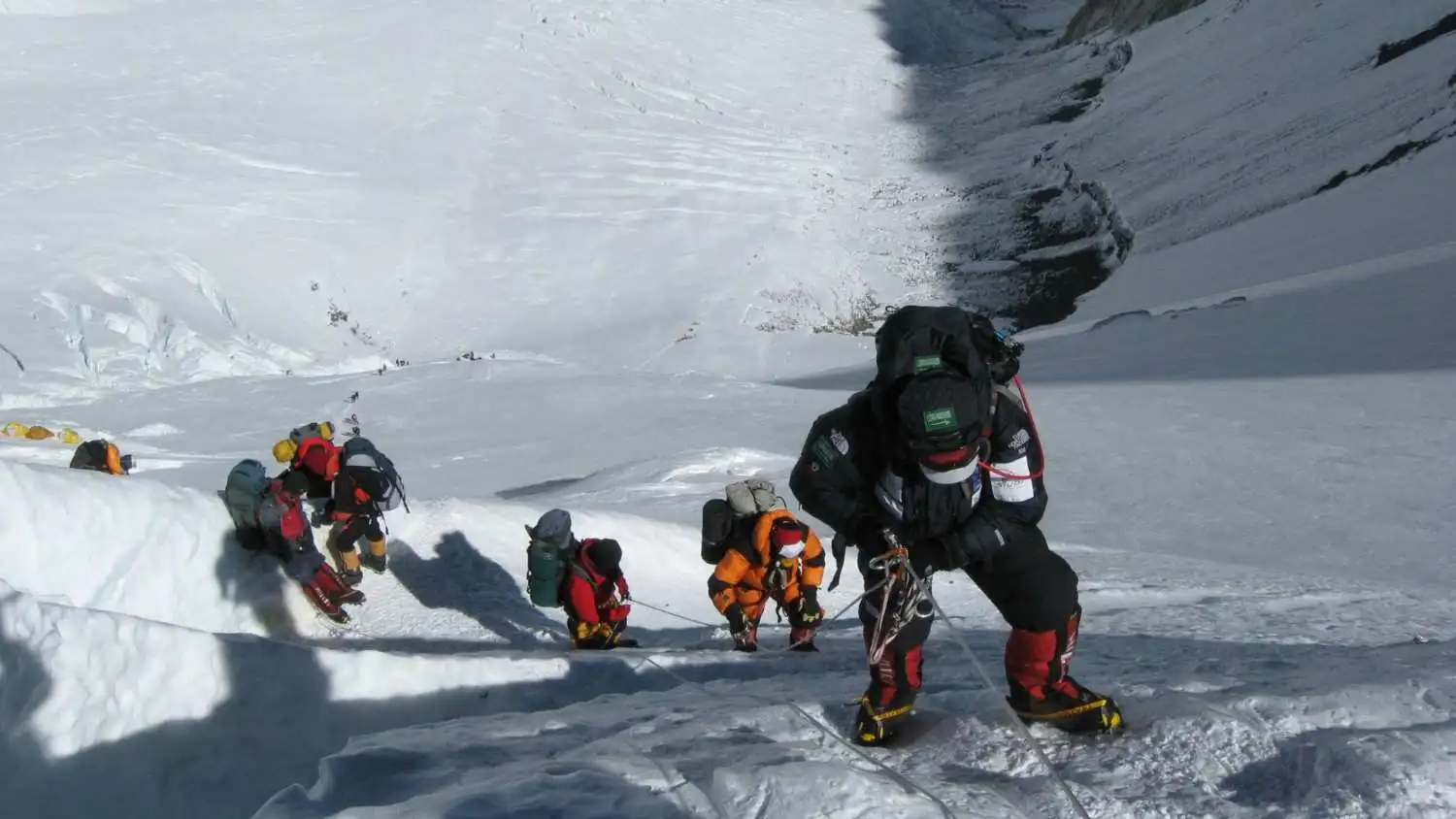
The number of people climbing Everest matters. A lot. It directly affects safety on the mountain. Overcrowding happens, especially at bottlenecks like the summit ridge. When too many climbers chase the same weather window, chaos sets in.
Slow ascents, lack of oxygen, altitude problems. It’s real. Climbers need to know how crowded a season might get. This is part of realistic and responsible preparation.
But it’s not just safety. The numbers also touch the environment and local communities. More climbers strain delicate ecosystems. Waste management suddenly becomes a huge deal. The increase also affects Sherpas, guides, and Nepal’s mountain economy. Knowing how many people climb Everest helps future climbers respect the mountain. It gives a clear sense of the real impact of being there.
What Does “Climbing Everest” Actually Mean?
Climbing Everest can mean different things. Depends on who you ask. Some count anyone trying the mountain. Others only count those who make it to the top. This distinction matters. It helps interpret Everest stats correctly and clears up the biggest myths.
Attempting Everest vs Successfully Reaching the Summit
Attempting Everest means reaching base camp, aiming for the peak. Some turn back—weather, health, safety. Successfully reaching the summit? That’s reaching the top and coming down safely. Big difference. Many climbers don’t complete the final ascent each year. Seeing summit numbers without context? Misleading. Makes it look easier and less risky than it really is.
Who Is Included and Excluded in Official Climber Counts
Official counts usually include foreign and Nepali climbers trying to reach the summit. Sherpas? Usually not. High-altitude workers? Not counted either. They climb again and again, fixing ropes, carrying loads. Support staff, guides, rescue teams? Often missing from the numbers. Actual people on Everest? Way higher than statistics show.
How Many People Climb Everest Each Year?
When people ask how many climbers attempt Everest in a year, the answer depends on which phase of climbing we mean. Some get the go-ahead and try the mountain. Others actually reach the summit. These two numbers are very different. Understanding this gap helps make sense of Everest statistics.
Average Annual Attempts (Modern Era)
In the modern era of commercial mountaineering, more people are trying to climb Everest every year. The best way to estimate attempts is by looking at climbing permits. Every foreign climber needs one. Usually, about 350 to 520 climbers get permits each year to try Everest via Nepal (south).
In quieter years, the number hovers around the mid-300s. In busy seasons, it’s over 500. When Tibet (north) is open, another 50 to 300 climbers usually attempt the climb. That means 600 to 800 people could be trying to climb Everest from both sides in a year.
This trend has been clear over the past 2 decades. Early in the 21st century, annual attempts were modest. Sometimes as low as 300. With better guided expeditions and growing demand, numbers steadily rose through the 2010s. Just before the pandemic, permits hit record highs. In 2020, Everest shut completely. But efforts bounced back fast. By the mid-2020s, Everest saw some of the largest crowds in history.
Still, a permit only means permission to try. Many climbers drop out before summit day. Altitude sickness, fatigue, bad weather, or time limits often force withdrawals.
Average Annual Summits
The number of climbers who actually reach the top is different. Most modern seasons see 600 to 900 successful summits across both sides of the mountain. In average seasons with stable weather, about 65-70% of climbers reach the peak. That’s much higher than the early years, thanks to better forecasting, stronger logistics, improved oxygen, and experienced guides.
But success rates change every year. Some seasons are perfect. Hundreds of climbers can reach the summit in just a few calm-weather days. These years bring record numbers—and the most crowded on summit day.
Bad years are the opposite. Strong winds, short weather windows, avalanches, earthquakes, or administrative closures cut summit numbers. Sometimes, entire seasons end with very few successes. These ups and downs show that no matter how much you prepare, Everest is never fully in your control. Nature and geopolitics rule here.
Breakdown: Nepal Side vs Tibet Side
Most climbers go up from Nepal (south). That explains why more attempts and summits happen there. In a normal modern season, 75-90% of all successful summits happen via Nepal. In busy years, that can mean 700+ summits on the south side, while the north sees much smaller numbers. Tibet (north) usually has fewer climbers and summits. In an open year, numbers could be hundreds—or just a few dozen. It depends on government policies and seasonal access.
Tibet has stricter permit limits, tighter controls, and sudden closures. That makes the north-side numbers less predictable than Nepal. Politics and logistics are key. Nepal issues more permits and supports big commercial projects. Helicopter rescues, flexible logistics, and guided teams are common. Tibet is more restrictive. Foreigners can be blocked. Sometimes the mountain is completely closed for political or environmental reasons.
When the north is closed, all pressure moves to Nepal. This causes overcrowding and heavy traffic in the south. This explains why some years feel hectic while others seem quiet. The number of people climbing Everest each year isn’t just about demand. Policy, international relations, infrastructure, weather, and climbers’ ability all shape these figures.
Year-by-Year Trends and Historical Growth
The number of people climbing Everest hasn’t grown at a steady pace. It expanded in stages. Technology, politics, guiding norms, and popular interest all played a role. Looking at these stages helps explain why today’s numbers are huge and why past decades were completely different.
Early Expeditions (1950s-1980s)
Since 1953, after the first successful expedition, Everest has been climbed almost only by elite, highly trained mountaineers. Expeditions were research-driven or nationally based. They could take months. Logistics were complex. In this era, attempts were few. Single digits or low double digits. Fewer than 10 summit attempts in some years. Some years, no summit attempts at all.
Even in the 1970s, maybe 20-30 climbers in the entire world were on Everest in a year. Success rates were low. Usually under 30%. Climbers lacked weather forecasts, lightweight gear, consistent oxygen, and established routes. By the late 1980s, fewer than 200 people had ever reached the summit. Everest was a rare achievement, not a commercial goal.
Commercial Era Expansion (1990s-2000s)
The 1990s changed everything. Professional guiding firms started fully supported ascents. They guided experienced but non-professional climbers. Participation soared. Early 90s, 50-100 attempts a year. By the late 90s and early 2000s, 150-250 clients per season was normal. Success rates rose, too, usually 50-60% in good weather.
Several factors drove this growth:
-
Better fixed-rope systems
-
Improved oxygen technology
-
More accurate weather predictions
-
Professional Sherpa teams year after year
By the early 2000s, over 3,000 people had summited Everest. It was no longer a rare novelty. But still far from today’s numbers.
Modern High-Traffic Era (2010-Present)
Around 2010, Everest entered the high-traffic era. Annual permits spiked, especially on the Nepal side. 350-500 or more climbers attempting in one spring was common. In good years, both sides combined saw 700-900 summit ascents in a single season. Unthinkable twenty years earlier. Adventure tourism boomed. Logistics improved. Helicopter support increased. Shorter acclimatization timetables helped.
Publicity exploded, too. Photos of long queues descending from the summit made crowding a hot topic. Success rates stayed high, 65-70%. But the dangers of congestion in the death zone became clear. By the mid-2020s, more than 7,000 unique people had summited Everest. Total summit ascents exceeded 12,800, including repeated climbs by Sherpas and professional mountaineers.
Exceptional Years
Not every year follows the trend. Everest’s history has low and high outliers. Some years had zero summits. 2014 in Nepal stopped after a fatal avalanche. In 2015, an earthquake triggered avalanches at base camp. The season ended. In 2020, the pandemic closed the mountain. No commercial summits.
On the other end, record-high seasons exist. 2018 and 2019 had over 800 successful summits each year. High permit rates and rare stable weather allowed many climbers to summit in short periods. These years show that Everest numbers aren’t just about demand. Weather, natural disasters, health crises, and government actions can change a season instantly. A season can end in tragedy—or reach record heights.
Regulations and Attempts to Control Numbers
The number of people climbing Everest keeps growing. Governments and mountaineering groups are under pressure. Congestion, safety, and environmental protection are all at stake. Rules differ between the two sides of the mountain. One side is much stricter than the other. Understanding these rules explains why some years see huge crowds, while others feel quiet.
Nepal’s Permit Policies
Most permits and the busiest trails are on the Nepal side. Currently, a spring-season permit costs USD 11,000 per foreign climber. That alone earns millions for Nepal each year if 400-500+ permits are issued. High costs haven’t stopped climbers. The numbers keep increasing. Nepal doesn’t impose strict quotas. As long as the paperwork is done and the fee is paid, permits are generally approved.
This open-permit policy is one of the main reasons for congestion in peak years. Nepal has suggested reforms, like requiring prior high-altitude experience. But these rules aren’t always enforced. Everest in Nepal is relatively “open” compared to other 8,000-meter peaks. This contributes directly to the growing number of climbers every year.
China/Tibet Restrictions
The north side, in Tibet/China, is far stricter. Permits are limited. Foreign access is tightly controlled. Independent climbing is rarely allowed. Most seasons, north-side climbers don’t exceed 300—and sometimes even fewer. Closures happen often. China can shut the north side for political, environmental, or security reasons.
Some years, foreign climbers are banned, but domestic expeditions may continue. That lowers summit numbers on that side. The north side’s stricter rules make it less predictable. When it’s open, numbers rise. When closed, the pressure shifts to Nepal. This causes the south route to be more crowded.
Proposed Reforms and Global Debate
Everest crowding and high-profile accidents sparked worldwide debate. Who should be allowed to climb the world’s highest mountain? One suggestion: climbers must have summited a 7,000-meter peak first.
This would limit untrained climbers who move slowly and increase the risk in the death zone. Another idea: hard permit limits, like other mountains. 250-300 permits per season is often suggested. This would reduce numbers—but also cut government income and restrict operators.
Ethics are debated, too. Critics say Everest shouldn’t be a free tourist resort, especially when rescues above 8,000 meters are limited. Supporters argue the economy depends on climbers, Sherpas, and companies.
They say the solution isn’t fewer climbers but better management. No single reform fixes everything. Everest remains a place where demand, money, safety, and ethics collide. Rules will evolve as climbers, governments, and global attention push pressures.
Record Years on Mount Everest
Some years stand out with huge summit numbers. Record seasons show how weather, permits, technology, and logistics can combine for near-perfect, but often crowded, climbing conditions. They also show that success isn’t just strength or money—it’s timing and systems coming together.
Years with the Highest Number of Summits
Recent record years saw 700 to nearly 900 summit ascents in one season. In 2018 and 2019, several consecutive days had successful summit pushes. Over 800 total ascents happened across both routes. Hundreds of climbers reached the summit in these seasons. The famous photos of long queues at the Southeast Ridge and Hillary Step went viral. They sparked debates about safety, risk, and overcrowding.
These numbers count total ascents, not individual climbers. Many Sherpas and guides climb multiple times in a season, adding to totals. Still, these years mark the largest human presence ever near Everest’s summit.
What Led to These Record Seasons
Record seasons aren’t random. Three main factors converge:
-
Weather: Jet stream moves away. Calm summit days extend to 3-5 days, not just one. Climbers can stagger pushes. Success rises.
-
High permits: 450-500+ permits on the Nepal side alone mean more climbers are ready. If Tibet is open, totals climb further.
-
Modern logistics: Forecasting, better equipment, oxygen, rope systems, and experienced Sherpas make summit attempts easier. Success rates hit 65-70% in record years, higher than decades ago.
But these factors bring challenges. Exposure time is longer. Exhaustion rises. Error margin shrinks. More climbers increase environmental impact—waste, gear, and strain on cleanup efforts. Record years are tech and planning achievements, but also warnings for sustainability.
Also read: Everest Base Camp Altitude Secrets: How to Survive the World’s Highest Trek!
Environmental Impact of Rising Climber Numbers
Everest’s fragile environment feels the pressure. Human waste, discarded gear, and general trash are major issues. Even small increases in climbers per year impact glaciers, campsites, and water sources. Extreme conditions slow natural decomposition. Pollution can last decades. Environmental responsibility is critical.
Cleanup campaigns and stricter rules have helped. Climbers must carry back waste. Expedition companies are more accountable. But the problem isn’t solved. Rising climber numbers demand ongoing attention. Protecting Everest matters for the mountain and local communities.
What These Numbers Mean for Future Climbers
Future climbers feel the impact of growing numbers. Permit competition rises. Guides and support staff are in higher demand. Summit windows become crowded, making timing as important as fitness. Knowing trends helps climbers pick better seasons and reduce risks. Decisions become smarter, not rushed or emotional.
Numbers also affect costs. High demand drives up permit fees, logistics, and safety requirements. Governments may enforce stricter rules for overcrowding and environmental protection. Future climbers must expect more responsibility. Understanding this is key to approaching Everest with maturity.
Understanding Everest Beyond the Numbers
Climber statistics are useful but not the whole story. Weather, policy, environmental duties, and human risk all matter. Everest isn’t just a number or a trend. It’s a powerful natural place deserving respect. Understanding climbing figures helps trekkers and climbers prepare realistically.
Looking beyond the numbers protects the mountain for future generations.
Explore Our Everest Region Packages
- Everest Base Camp Trek With Helicopter Return
- 5 Days Everest Base Camp Trek
- Luxury Everest Base Camp Trek
FAQs
1. What is the average age of climbers on Mount Everest?
Most climbers are between 30 and 50 years old. But you’ll see experienced climbers of all ages attempting the mountain. Age affects preparation and acclimatization. Older or younger climbers may need extra care.
2. Do climbers need special training before attempting Everest?
Yes. Mountaineering experience is highly recommended. You need to know how to handle tough conditions. Even basic climbing skills are necessary for most expeditions. It’s not a casual hike.
3. How long does a typical Everest expedition last?
Usually six to eight weeks. That includes acclimatization and waiting for good weather. Timing is everything. This is what allows climbers to reach the summit safely.
4. Can someone climb Everest without a guide?
Technically yes. But it’s extremely risky. Navigation is tricky. The weather is unpredictable. Altitude is extreme. Most climbers hire guides for safety and logistical support. It’s a no-brainer for anyone serious.
5. Are there age or health restrictions for climbing Everest?
Climbers must be in excellent physical health. Major medical conditions are usually disqualifying. Very young or very old climbers may face restrictions. Health screenings are normally part of the permit process. Safety first.