Nepal designates trekking regions as restricted areas across 13 districts, and the highly regarded restricted treks are Upper Mustang, Manaslu Circuit, Tsum Valley, Nar Phu Valley, Upper Dolpo, Lower Dolpo, Kanchenjunga, and Limi Valley. Each location requires a Restricted Area Permit (RAP), a licensed guide, and arrangements through a registered trekking organization. As of March 2026, Nepal’s Department of Immigration lowered the minimum age for solo trekkers, so they can now apply for a RAP, even though a guide remains mandatory.
Nepal restricts those regions to guard preserved borders, preserve Tibetan-style lifestyles, and restrict tourism pressure on Himalayan ecosystems. That control is what keeps them relatively untouched and authentic. This guide covers every restricted trek, its permits, guide policies, and how to select the right one.
Quick Answer: List of Restricted Treks in Nepal
Nepal currently restricts 10 major trekking areas, spanning Mustang, Gorkha, Manang, Dolpa, Taplejung, Humla, Sankhuwasabha, and Darchula districts. Every trek listed below requires a Restricted Area Permit (RAP) in addition to any conservation-area fees.
| Restricted Trek | Region/District | Special Permit Required |
| Upper Mustang | Mustang | Yes |
| Manaslu Circuit | Gorkha | Yes |
| Tsum Valley | Gorkha | Yes |
| Nar Phu Valley | Manang | Yes |
| Upper Dolpo | Dolpa | Yes |
| Lower Dolpo | Dolpa | Yes |
| Kanchenjunga Trek | Taplejung | Yes |
| Limi Valley Trek | Humla | Yes |
| Makalu Region (restricted sections) | Sankhuwasabha | Yes |
| Api Nampa Region | Darchula | Yes |
Everest, Annapurna (outside Upper Mustang and Nar Phu), and Langtang remain open trekking areas and do not need a RAP, even though they nevertheless require standard conservation permits.
What Does “Restricted Trek” Mean in Nepal?
A restricted trek is a trekking route through a place the Nepal authorities control through the Department of Immigration, requiring overseas trekkers to keep a Restricted Area Permit (RAP) and trek with a licensed guide. “Restricted” refers to restricted access, not risk.
The Department of Immigration created this category for 4 major reasons:
- Border safety. Most restricted regions, together with Upper Mustang, Upper Dolpo, and Limi Valley, sit alongside Nepal’s border with Tibet (China). Restricted access means the authorities monitor movement in these protected zones.
- Cultural preservation. Regions like Lo Manthang, Tsum Valley, and Limi Valley protect centuries-old Tibetan Buddhist groups, monasteries, and traditions. Limiting visitor numbers reduces the cultural disruption mass tourism causes elsewhere in Nepal.
- Environmental conservation. Many confined regions overlap with fragile high-altitude ecosystems, along with Shey Phoksundo National Park and the Kanchenjunga Conservation Area. Permit revenue finances conservation efforts, and regulated access limits environmental pressure.
- Managed tourism. The RAP system keeps visitor numbers low and requires trekkers to travel through registered trekking agencies, which helps local employment and keeps trails from becoming overcrowded.
The Nepal Tourism Board (NTB) and Department of Immigration collectively manage the broader permit system, but only the Department of Immigration issues RAPs. In brief, those areas are restrained because they’re protected, not due to the fact they may be unsafe. Trekkers who comply with the permit and guide requirements can get access to some of the Himalayas’ most untouched landscapes.
Complete List of Restricted Trekking Areas
Upper Mustang
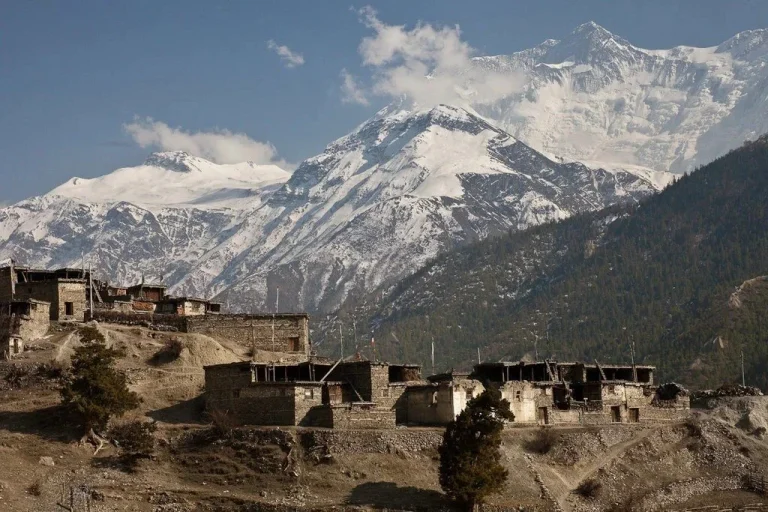
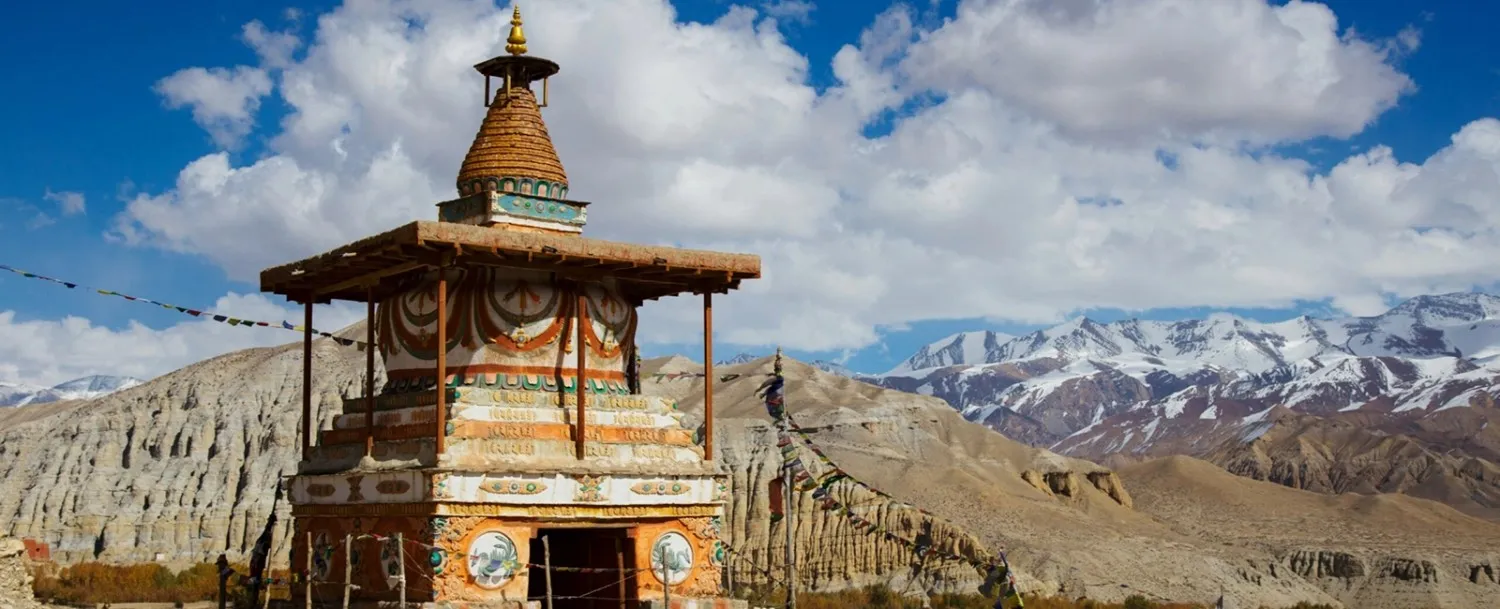
Upper Mustang is Nepal’s most famous restricted trek, covering the arid, Tibetan-style plateau north of the Annapurna range in Mustang district. It requires a Restricted Area Permit at USD 50 per person per day, plus the Annapurna Conservation Area Permit (ACAP), around NPR 3,000 (USD 22–25). Since 2026, trekkers pay only for days actually spent inside the area, not a set 10-day minimum.
The highlight is Lo Manthang, the walled former royal capital, with centuries-old palaces, chortens, and monasteries still a part of everyday life. The path additionally crosses red cliff caves and wind-carved canyons.
Upper Mustang suits trekkers wanting dramatic desert landscapes and rich culture without intense elevation. It’s additionally jeep-accessible for shorter journeys.
Nepal Outdoor Expeditions arranges the RAP, ACAP, and guide for each Upper Mustang Trek departure.
Manaslu Circuit Trek
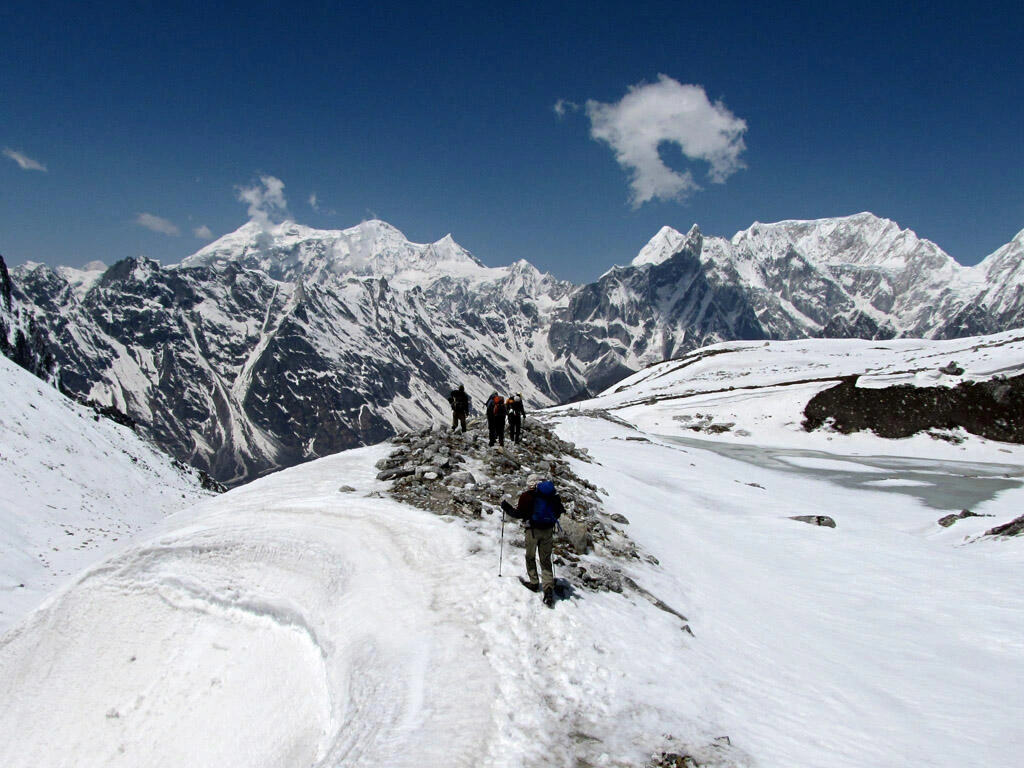
Manaslu Circuit is Nepal’s second most famous restricted trek, circling the sector’s eighth-highest mountain through Gorkha district. It requires three permits collectively: the Restricted Area Permit (RAP) at USD 100 per week in top season (September–November) or USD 75 per week in low season, the Manaslu Conservation Area Project (MCAP) permit at more or less NPR 3,000 (USD 22), and the Annapurna Conservation Area Permit (ACAP) if the path crosses into that area. A licensed guide is obligatory throughout the trek, arranged through a registered trekking agency.
The trail climbs through Gurung and Tibetan-inspired villages before crossing the Larkya La Pass at 5,106 meters, providing close views of Manaslu, Himlung Himal, and Annapurna II.
Manaslu fits first-time constrained-place trekkers who need a real high mountain pass crossing without Everest-stage crowds. Nepal Outdoor Expeditions handles all 3 permits and the guide for every Manaslu Circuit Trek departure.
Tsum Valley Trek
Tsum Valley is a hidden Buddhist valley branching off the Manaslu direction in Gorkha district, sealed off to outsiders till 2008. It shares the same permit structure as Manaslu: a Restricted Area Permit at USD 100 per week in top season or USD 75 in low season, plus the Manaslu Conservation Area Project (MCAP) permit at around NPR 3,000. Trekkers can combine the Manaslu and Tsum RAPs on a single trek.
The valley takes its name from “Tsombo,” which means bright, and its villages, along with Chhokangparo and Mu Gompa, hold Tibetan Buddhist traditions with active monasteries, mani walls, and prayer wheels largely untouched with the aid of contemporary trekking infrastructure.
Tsum Valley suits trekkers prioritizing cultural intensity over mountain passes, because the path remains lower and gentler than the primary Manaslu circuit.
Nar Phu Valley Trek
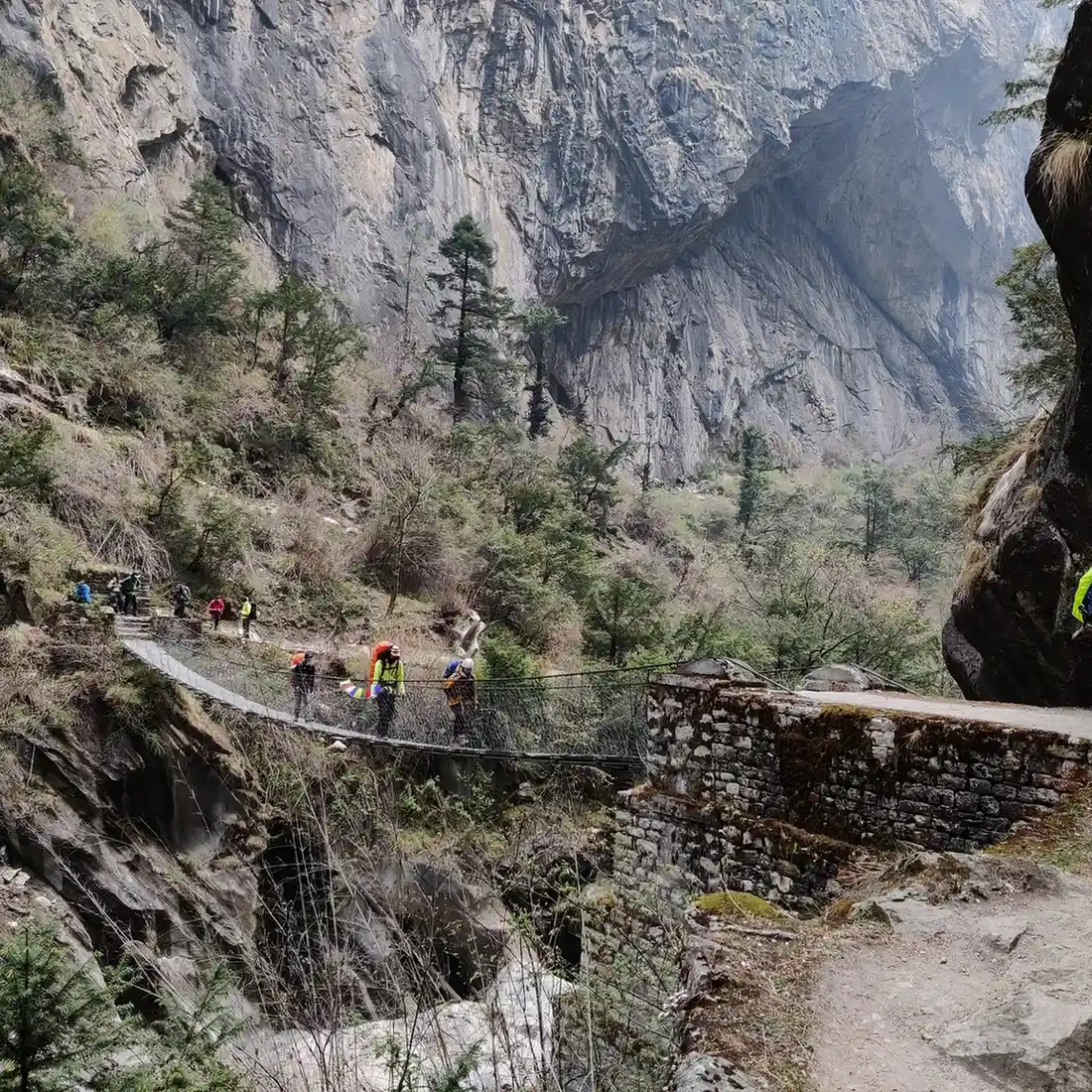
Nar Phu Valley is a pair of medieval villages tucked in a narrow gorge in Manang district, opened to trekkers in 2003. It calls for a Restricted Area Permit at USD 50 in step with man or woman in line with day, independent of the Manaslu and Dolpo permit systems, plus the Annapurna Conservation Area Permit (ACAP) because the trek sits within that conservation region.
The trail follows a dramatic narrow canyon before beginning into the villages of Nar and Phu, where stone homes, chortens, and gompas sit beneath towering cliffs. Many trekkers make the trail over the Kang La Pass at 5,322 meters to connect to the Annapurna Circuit.
Nar Phu suits trekkers searching for faraway, little-visited landscapes and a real feel of discovery, in view that visitor numbers are a long way lower than on Annapurna’s main trails.
Upper Dolpo Trek
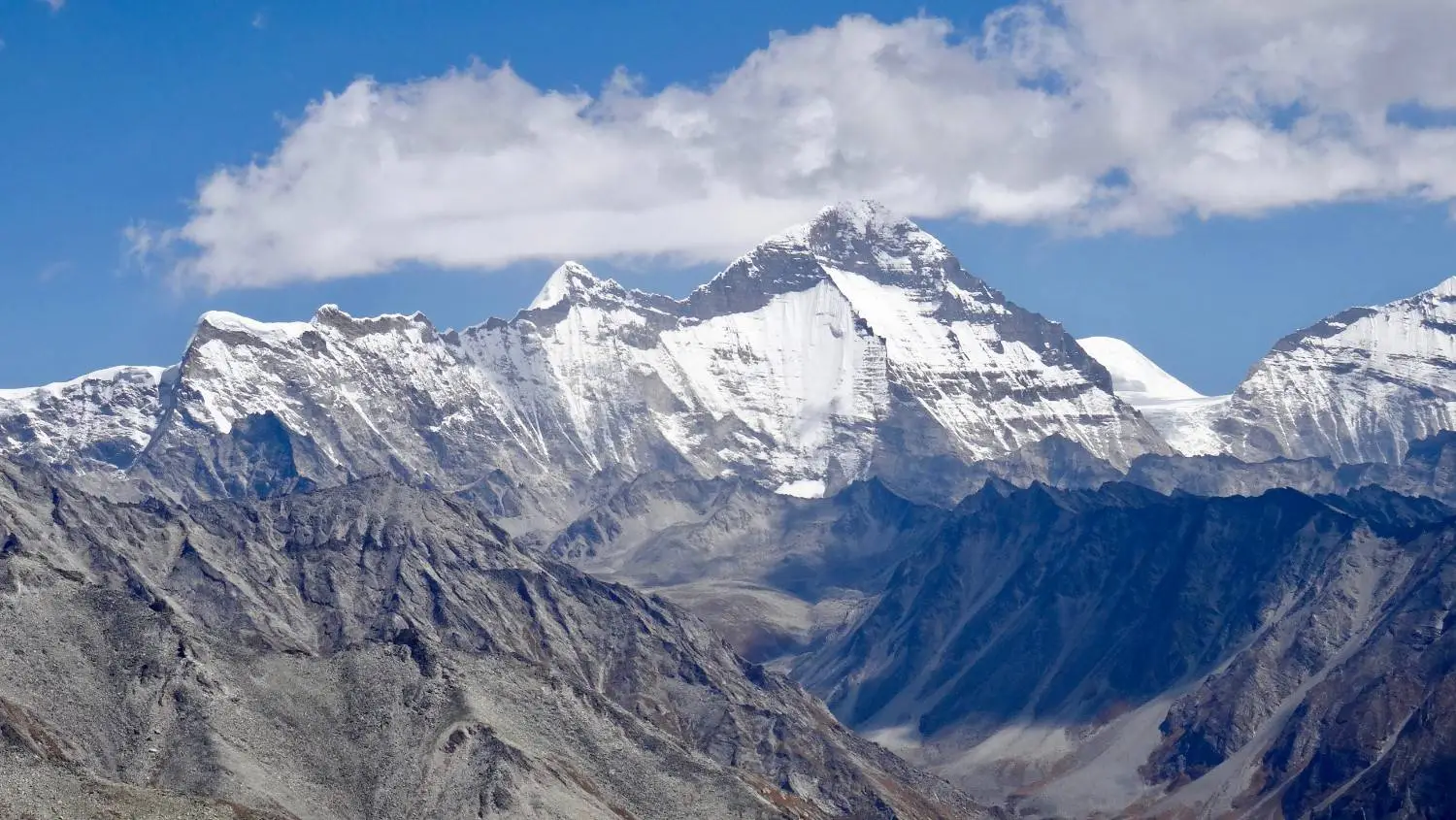
Upper Dolpo is one of Nepal’s most faraway treks, accomplishing a high Tibetan plateau in Dolpa district that Peter Matthiessen made famous in The Snow Leopard. It calls for a Restricted Area Permit at USD 50 per person per day, plus a Shey Phoksundo National Park access fee, because the trek passes through the park.
The trail reaches Shey Phoksundo Lake, one in every of Nepal’s deepest and most striking turquoise lakes, and continues through villages practicing Bon, Tibet’s pre-Buddhist spiritual culture, in large part undisturbed with the aid of external influence.
Upper Dolpo fits experienced trekkers seeking proper isolation, since the place has minimal infrastructure, long trekking days, and constrained rescue access. Nepal Outdoor Expeditions arranges the RAP and park permit for every Upper Dolpo Trek departure.
Lower Dolpo Trek
Lower Dolpo covers the southern, lower-elevation part of Dolpa district and calls for a separate Restricted Area Permit from Upper Dolpo, priced lower at around USD 10 per week instead of USD 50 per day, plus the equal Shey Phoksundo National Park access fee.
The key difference from Upper Dolpo is accessibility. Lower Dolpo sits at gentler altitudes, has less difficult trail situations, and does not require the same high mountain pass crossing, making it approachable for trekkers with less high-altitude trekking experience. It nonetheless passes through Shey Phoksundo National Park and visits Bon and Buddhist villages, although with fewer intense far-flung stretches than the higher vicinity.
Lower Dolpo fits trekkers who want Dolpa’s raw, untouched landscapes without the physical demands or higher permit fees of Upper Dolpo.
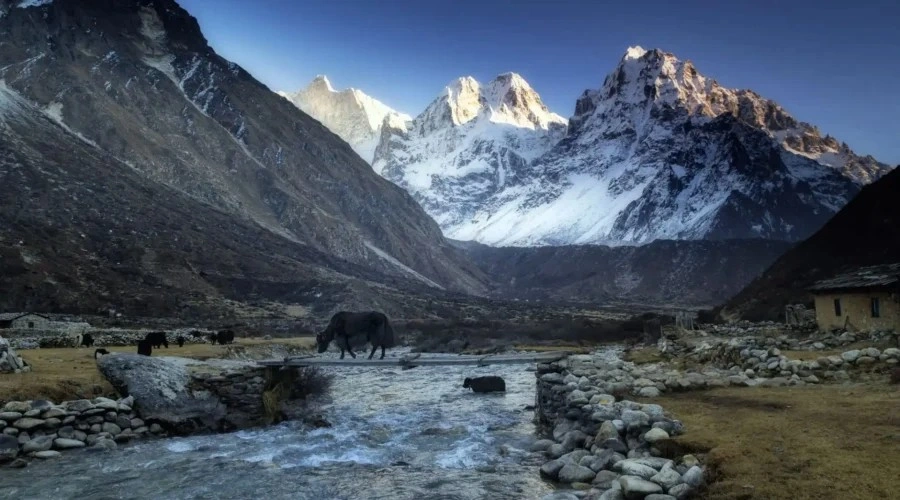
Kanchenjunga Trek
Kanchenjunga Trek circles the bottom of the world’s 3rd highest mountain in Taplejung district, some distance eastern Nepal, one of the country’s least-crowded restricted regions. It calls for a Restricted Area Permit at USD a hundred in keeping with week in peak season or USD 75 off-season, matching Manaslu’s pricing structure, plus the Kanchenjunga Conservation Area Permit (KCAP).
The path winds through Limbu and Rai villages before ascending alpine terrain near Kanchenjunga Base Camp, with far fewer trekkers than on Everest or Annapurna routes, even in peak months. The remoteness means longer travel time and much less traveler infrastructure, so the trek feels honestly untouched.
Kanchenjunga fits trekkers who need a first-rate Himalayan base camp trek without crowds, and who don’t mind longer, extra-traumatic logistics to reach it. Nepal Outdoor Expeditions arranges the RAP and KCAP for every Kanchenjunga Base Camp Trek departure.
Api Nampa Region
Api Nampa sits in Darchula district, a long way western Nepal, named after the dual peaks Api and Nampa that dominate the skyline near the Tibet and India borders. It’s one of Nepal’s most recent and least-evolved restricted areas, requiring a Restricted Area Permit arranged through a registered trekking corporation, although it sees far fewer programs than the country’s more established restricted treks.
The area covers the Api Nampa Conservation Area, protecting rugged wasteland, alpine forests, and a landscape that remains largely unexplored by trekkers. Infrastructure is minimal, with few teahouses and restrained trail markings as compared to Nepal’s conventional routes.
Api Nampa suits adventurous trekkers searching for an authentic rising destination, where the paths and villages have not yet adjusted to everyday tourism.
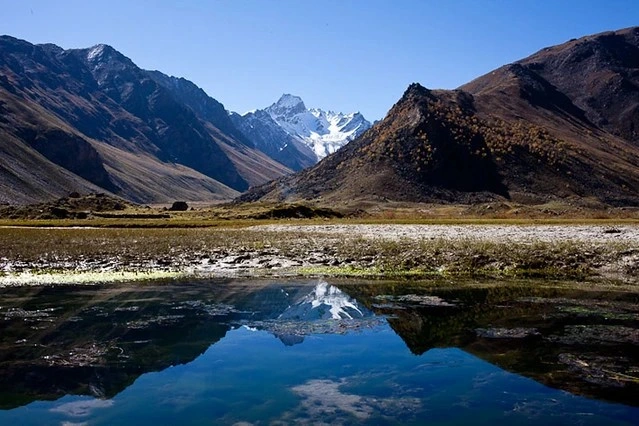
Limi Valley Trek
Limi Valley sits in Humla district, Nepal’s most isolated region, tucked up against the Tibet border in the far northwest. It calls for a Restricted Area Permit, one of the most inexpensive in Nepal at around USD 10 per week, reflecting the location’s remoteness and low visitor numbers. Access starts with a flight to Simikot from Nepalgunj, considering the fact that no roads reach the district.
The valley holds 3 ancient villages, Til, Halji, and Jang, home to Tibetan-speaking groups who have preserved their subculture in near-complete isolation. Limi also serves as an overland route for pilgrims heading to Mount Kailash in Tibet, including a layer of non-secular importance to the trek.
Limi Valley suits trekkers seeking Nepal’s most remote cultural experience, some distance beyond where most constrained-place treks attain.
Why Are These Trekking Regions Restricted?
Nepal restricts those trekking regions on the whole to shield international border security because most of those regions sit down without delay alongside the Tibet (China) frontier. Upper Mustang, Upper Dolpo, Manaslu, and Limi Valley all lie within a few kilometers of this border, and the authorities limit foreign access to monitor movement in those zones closely.
Beyond safety, the authorities protect the living Tibetan Buddhist culture from fast tourism-driven change. Villages like Lo Manthang and the Limi Valley settlements have kept centuries-old customs, festivals, and monastic traditions intact partly because visitor numbers are managed instead of being open to mass trekkers.
Environmental fragility drives regulations too. Regions like Shey Phoksundo National Park and the Kanchenjunga Conservation Area sit at severe altitudes with slow-recuperating vegetation and restricted waste infrastructure, so uncontrolled foot visitors may cause lasting ecological damage.
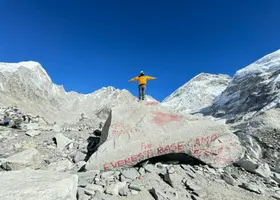
Sustainable tourism management ties these factors collectively. By requiring permits, courses, and registered groups, Nepal keeps trekker numbers proportional to what every area’s trails, teahouses, and ecosystems can honestly handle, warding off the overcrowding visible on unrestricted routes like the Everest Base Camp trek.
Permits Required for Restricted Treks
Every restricted trek requires a Restricted Area Permit (RAP) as the baseline requirement; however, maximum treks also require a conservation place or national park permit on top, because restricted zones normally overlap with a covered area. Only a registered trekking enterprise can apply for the RAP; foreign trekkers can not self-apply through the Department of Immigration.
| Trek | RAP | Conservation Permit | National Park Permit |
| Upper Mustang | Yes ($50/day) | ACAP | — |
| Manaslu Circuit | Yes ($75-100/week) | MCAP (+ ACAP on crossover routes) | — |
| Tsum Valley | Yes ($75-100/week) | MCAP | — |
| Nar Phu Valley | Yes ($50/day) | ACAP | — |
| Upper Dolpo | Yes ($50/day) | — | Shey Phoksundo NP |
| Lower Dolpo | Yes (~$10/week) | — | Shey Phoksundo NP |
| Kanchenjunga | Yes ($75-100/week) | KCAP | — |
| Limi Valley | Yes (~$10/week) | — | — |
| Makalu (restricted sections) | Yes | — | Makalu Barun NP |
| Api Nampa | Yes | Api Nampa Conservation Area | — |
Can You Trek Restricted Areas Without a Guide?
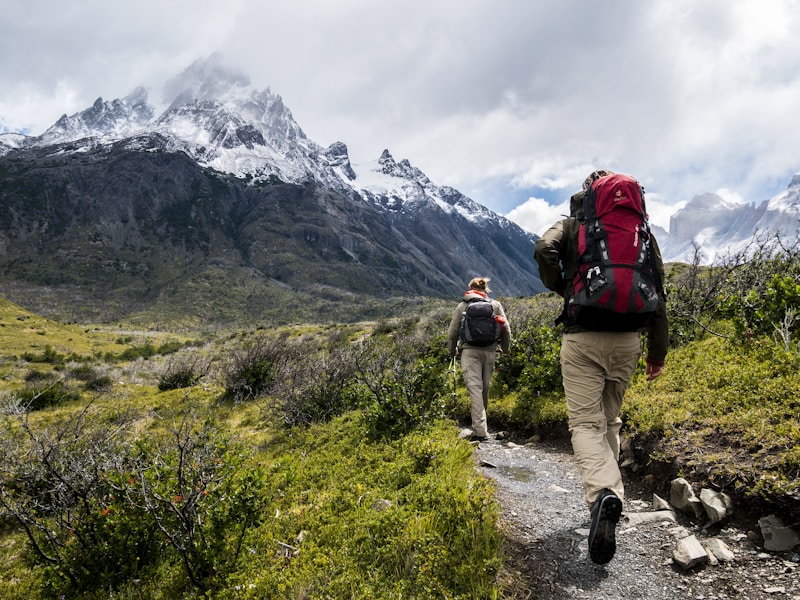
No. A licensed guide is mandatory on every restricted trek in Nepal, and this hasn’t changed with any latest rule replacement. The Department of Immigration issues Restricted Area Permits only alongside evidence of a registered trekking organisation and a licensed guide, so independent trekking isn’t always possible in those zones.
What changed, as of March 2026, is the group-length rule. Nepal formerly required a minimum of two trekkers to apply for a RAP. The Department of Immigration removed that minimum, so a solo trekker can now apply for a RAP individually. The guide requirement still applies in full; “solo” right here means solo application, not solo trekking.
Permits now move through a largely digital process, with registered groups submitting applications electronically. Most RAPs nonetheless take numerous business days, so booking beforehand matters, especially for Upper Mustang and Upper Dolpo.
Nepal Outdoor Expeditions handles the full RAP, guide, and checkpoint process for solo and group trekkers on each confined course.
Tips Before Trekking in Restricted Areas
- Book well in advance. RAPs take several business days to process. Groups should apply well in advance, especially for Upper Mustang, Dolpo, and Kanchenjunga, as these routes have limited departure windows.
- Prepare your documents early. Bring your original passport, a photocopy, and 4–6 passport-sized photos, since Restricted Area Permits require those at application and at checkpoints.
- Budget for acclimatization. Many restricted treks reach 4,000-5,300 meters, so build rest days into your itinerary in preference to speeding among high passes.
- Choose an experienced, licensed guide. Restricted areas have restricted rescue access, so a guide familiar with the precise course matters more here than on widespread trails.
- Carry sufficient cash. Teahouses and nearby checkpoints in these faraway districts often do not accept cards, and ATMs disappear entirely past the trailhead cities.
Check seasonal climate cautiously, in view that high passes close with early snowfall, and plan an emergency evacuation option, ideally protected through trekking insurance, before departure.
FAQs
Which treks in Nepal are restricted?
Nepal’s main restricted treks include Upper Mustang, Manaslu Circuit, Tsum Valley, Nar Phu Valley, and Upper Dolpo. Other restricted routes include Lower Dolpo, Kanchenjunga, Limi Valley, Api Nampa, and parts of Makalu. Each requires a Restricted Area Permit (RAP) plus a licensed guide.
Why are some trekking areas restricted?
Nepal restricts these regions to defend borders with Tibet, hold Tibetan Buddhist culture, and limit tourism stress on fragile high-altitude ecosystems. Restricted does not mean risky; it means managed.
Can foreigners trek in restricted areas?
Yes. Foreign trekkers can visit restricted areas with a RAP obtained through a registered Nepali trekking agency. They must also trek with a licensed guide.
Can I trek restricted areas without a guide?
No. A licensed guide is obligatory on every restricted trek, without exception, no matter your trekking experience or institution size.
What is a Restricted Area Permit (RAP)?
A RAP is a special government permit issued by the Department of Immigration through a registered trekking agency. It is required to enter Nepal’s restricted border and culturally important trekking areas.
Which restricted trek is best for beginners?
Manaslu Circuit is the most beginner-friendly restricted trek, with slight expenses, road access from Kathmandu, and a practicable high mountain pass crossing at Larkya La.
Are permit fees included in trekking packages?
Most operators, including Nepal Outdoor Expeditions, include RAP and conservation permit expenses in their package pricing, but continually verify this before booking.
Is Upper Mustang a restricted trekking area?
Yes. Foreign trekkers can visit restricted areas with a RAP obtained through a registered Nepali trekking agency. They must also trek with a licensed guide.