10 days is enough time to see Nepal’s three main highlights: Kathmandu Valley, Pokhara, and Chitwan National Park. In this window, travelers can discover UNESCO World Heritage Sites, Himalayan viewpoints, serene lakes, adrenaline activities, and up-close flora and fauna encounters without rushing between locations. Kathmandu showcases ancient temple architecture and living traditions. Pokhara pairs mountain views with paragliding, boating, and café culture. Chitwan adds jungle safaris and rare wildlife sightings to round out the experience. This itinerary works well for first-time visitors who need a balanced introduction to Nepal: culture, nature, and adventure in a single trip, rather than choosing just one. It also leaves room for an optional Everest scenic flight before departure.
Quick 10-Day Nepal Itinerary
| Days | Destination | Highlights |
| 1-3 | Kathmandu Valley | UNESCO sites, temples, culture |
| 4-6 | Pokhara | Phewa Lake, Sarangkot, adventure activities |
| 7-8 | Chitwan National Park | Jungle safari, rhinos, canoe ride |
| 9 | Return to Kathmandu | Shopping and leisure |
| 10 | Departure or Everest Mountain Flight | Optional Himalayan flyover |
Is 10 Days Enough to Visit Nepal?
Yes, 10 days is enough to visit Nepal’s most iconic destinations without feeling rushed. This time frame effectively covers Kathmandu Valley’s UNESCO sites, Pokhara’s lakes and viewpoints, and Chitwan’s flora and fauna safaris, the three pillars most first-time visitors want to experience.
What 10 days doesn’t allow is a full Himalayan trek. Multi-day treks like Everest Base Camp or Annapurna Base Camp generally need 7 days on their own, leaving little room for something else. This itinerary is designed around sightseeing, nature, and local culture, with short hikes and viewpoints like Sarangkot standing in for longer hiking routes.
Days 1-3: Explore Kathmandu Valley
Kathmandu Valley deserves three full days as it holds seven UNESCO World Heritage Sites within a compact radius, with more historical density than almost anywhere else in South Asia. These 3 days cover Kathmandu Durbar Square, Swayambhunath, Boudhanath, Pashupatinath, and Bhaktapur, each presenting a distinctive lens into Nepali culture, from Hindu temple architecture to Tibetan Buddhist culture. Travelers who prefer a guided tour in preference to navigating independently can join a Kathmandu Sightseeing Tour covering the valley’s key sites in a single guided day.
Kathmandu Durbar Square
Kathmandu Durbar Square is the ancient heart of the historic town, home to Hanuman Dhoka Palace, Kumari Ghar (residence of the Living Goddess), and Taleju Temple. Its Newari architecture, carved wood struts, and pagoda roofs date back to the Malla and Shah dynasties. Visit in the morning before crowds arrive. Entry requires a foreign visitor entry fee, and a local guide provides context that isn’t obvious from the buildings alone. Allow about 90 minutes to explore the uneven, multi-level courtyards well.
Swayambhunath (Monkey Temple)
Swayambhunath, the Monkey Temple, is certainly one of Nepal’s oldest sacred Buddhist sites, recognized for its iconic all-seeing eyes and gilded spire. Perched on a hilltop, it offers sweeping valley views. Climb the 365 stone steps or take the road path on the other side. Early morning is ideal, while monks perform rituals and the light is softest for pictures. Walk around the stupa in keeping with nearby custom, and keep an eye on your belongings as the resident monkeys grasp food and bright objects.

Boudhanath Stupa
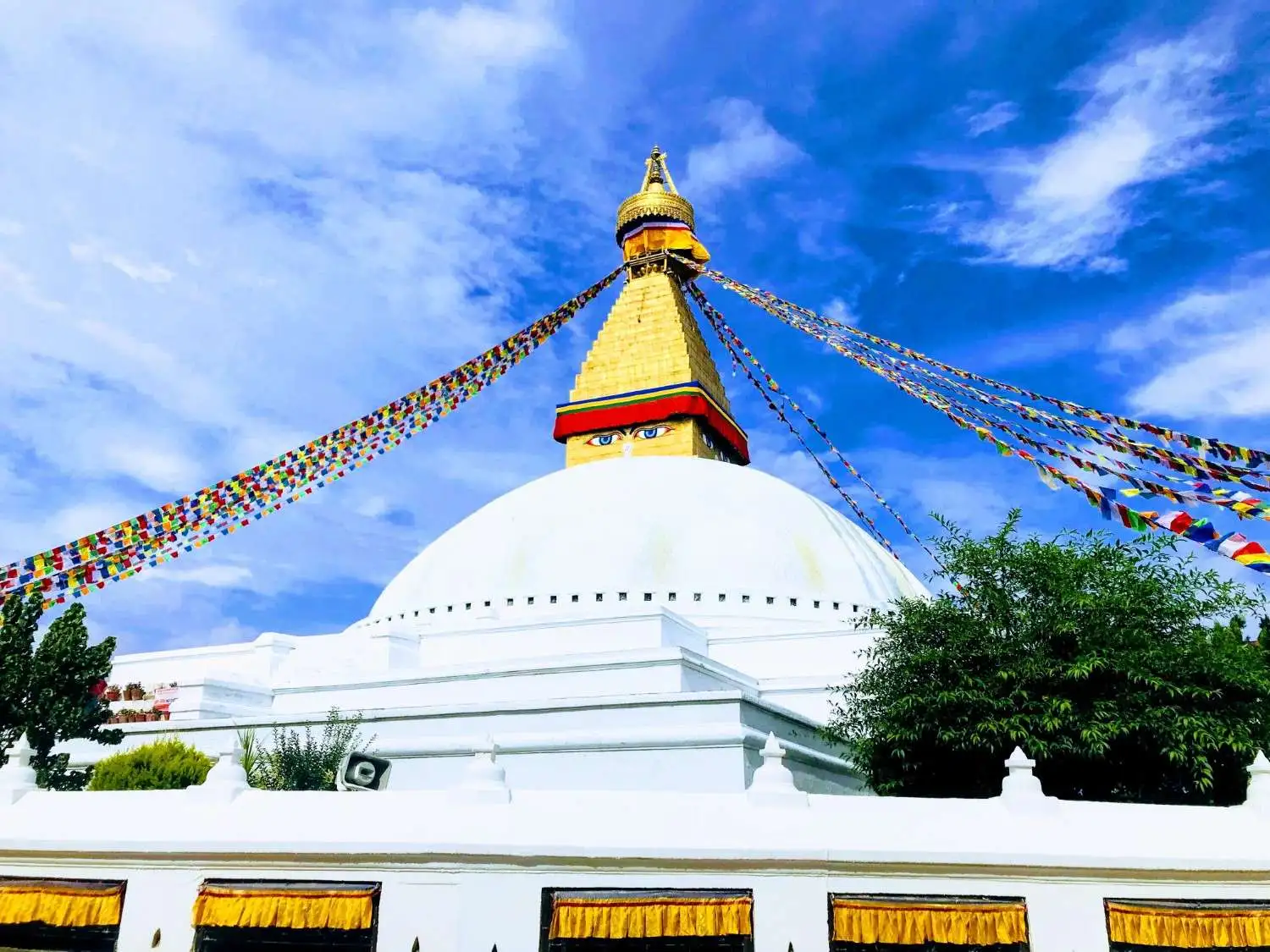
Boudhanath is one of the largest Buddhist stupas in the world and the center of Nepal’s Tibetan Buddhist community. Late afternoon is the best time to go, when monks and pilgrims perform the kora, walking clockwise while spinning prayer wheels, peaking around sunset. Rooftop cafés ringing the rectangular area offer elevated views, ideal for a tea break. Boudhanath sits close to Pashupatinath, so pairing each in a single afternoon keeps travel minimal.
Pashupatinath Temple
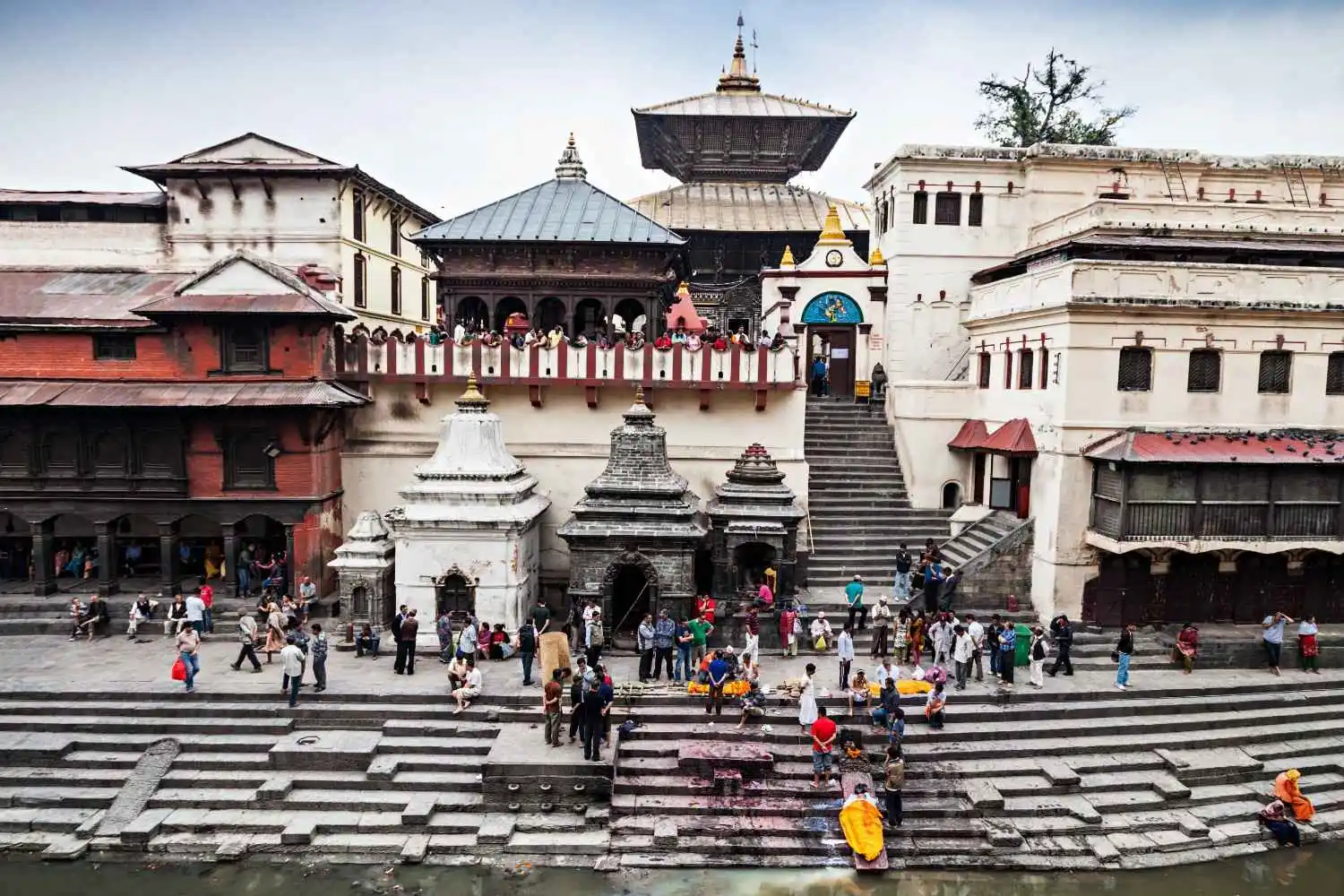
Pashupatinath, a UNESCO World Heritage Site along the Bagmati River, is Nepal’s most sacred Hindu temple, dedicated to Lord Shiva. Non-Hindus cannot enter the principal temple; however, riverside ghats and surrounding shrines stay open. Cremation ceremonies take place every day along the river; observe respectfully and avoid taking pictures. Visit in the evening to witness the Aarti fire ritual. The atmosphere here is solemn and unfiltered, a genuine study of everyday Hindu practice rather than a traveller-staged scene.

Bhaktapur Durbar Square
About an hour from Kathmandu, Bhaktapur has the valley’s best-preserved medieval structures, largely untouched by current development. The 55-Window Palace and Nyatapola Temple, Nepal’s tallest pagoda, anchor red-brick streets in which potters and woodcarvers continue practicing traditional pottery and wood carving. Try juju dhau (“king curd”), a local yogurt delicacy forte. A separate entry fee applies. A half-day visit is practical, and late afternoon light is ideal for photography.
Days 4-6: Discover Pokhara
Pokhara deserves three days as it balances scenery and rest in a way no other Nepali metropolis does. Set beside Phewa Lake with the Annapurna range as backdrop, it offers lakeside calm, mountain viewpoints, and adventure activities within a quick radius. For travelers looking for mountain scenery with adventure in a single experience, the Dhampus Sarangkot Trek with Paragliding is a famous add-on.
Phewa Lake
Phewa Lake is Pokhara’s centerpiece, reflecting the Annapurna and Machhapuchhre peaks on clear days. Boating here is a classic activity, either rowing solo or hiring a boatman to Tal Barahi Temple on the lake’s small island. The lakeside strip is covered with cafés and shops, making it an easy spot for a relaxed night after an afternoon of sightseeing.

Sarangkot Sunrise
Sarangkot, a hilltop viewpoint above Pokhara, is the best viewpoint for sunrise over the Annapurna and Dhaulagiri ranges. Visitors arrive before dawn, commonly by taxi, to watch the peaks turn gold. It’s also Pokhara’s main paragliding launch site, so combine the sunrise visit with a morning flight.
World Peace Pagoda
The World Peace Pagoda sits on a ridge across the lake, reachable by boat plus a short hike or by way of road. Its white stupa offers panoramic perspectives of Pokhara valley and the Himalayas, making it a popular spot for sunset and pictures.
Davis Falls & Gupteshwor Cave
Davis Falls is a dramatic waterfall that disappears underground right into a channel, feeding directly into the nearby Gupteshwor Cave. The sites sit across the road from each other, so touring both takes under an hour and pairs properly with other attractions within the city.
Adventure Activities
Pokhara is Nepal’s adventure hub: paragliding from Sarangkot, ziplining (many of the steepest in the world), boating on Phewa Lake, and ultralight flights over the Annapurna foothills. Weather influences paragliding and flights, so mornings are more reliable. Pokhara’s café culture, especially around Lakeside, makes for a clean wind-down between sports.

Days 7-8: Experience Chitwan National Park
Chitwan National Park, Nepal’s first national park and a UNESCO World Heritage Site, shifts the itinerary from tradition and mountains to jungle and wildlife. Two days are sufficient for a proper safari experience, a canoe trip, and a cultural evening without feeling rushed. Travelers who want to experience it without planning logistics themselves can book the Chitwan Wildlife Tour directly.
Jeep Safari
The jeep safari is the main way to discover Chitwan’s dense sal forests and grasslands. Early morning and late afternoon drives offer the best chances of recognizing flora and fauna, while animals are most active and temperatures are cooler. A safari normally runs 3-4 hours, covering more ground in comparison to walking routes.
Rapti River Canoe Ride
A canoe experience along the Rapti River offers a quieter, water-level view of the park. Traditional wood canoes glide past basking crocodiles and riverside birdlife. It’s a calmer contrast to the jeep safari, normally done in the early morning when the river is stillest.
Bird Watching
Chitwan hosts over 500 recorded bird species, making it certainly one of South Asia’s top birdwatching destinations. Species like the Bengal florican and massive hornbill draw devoted birders, although even casual visitors will spot kingfishers, egrets, and peacocks effortlessly along the riverbanks and forest edges.
Tharu Cultural Program
The Tharu community, indigenous to the Chitwan vicinity, hosts nighttime stick dance performances showcasing their wonderful traditions. It’s a terrific way to recognize the human side of the region, not just its wildlife, and generally takes place after the day’s safari activities wind down.
Wildlife You Can See
Chitwan is best known for the one-horned rhinoceros, one of the most reliable rhino-sighting spots in Asia. Bengal tigers exist inside the park; however are not often seen because of their elusive nature. More normally spotted are crocodiles, spotted deer, langur monkeys, and sloth bears.
Day 9: Return to Kathmandu
Day 9 is lighter, built around shopping and resting earlier than departure. After eight days of temples, mountains, and jungle, this slower pace works as a natural wind-down.
Thamel, Kathmandu’s tourist hub, is the obvious place to stay, with stores selling pashmina shawls, singing bowls, trekking tools, and homemade jewelry. Bargaining is standard, and fees drop for the ones inclined to negotiate.
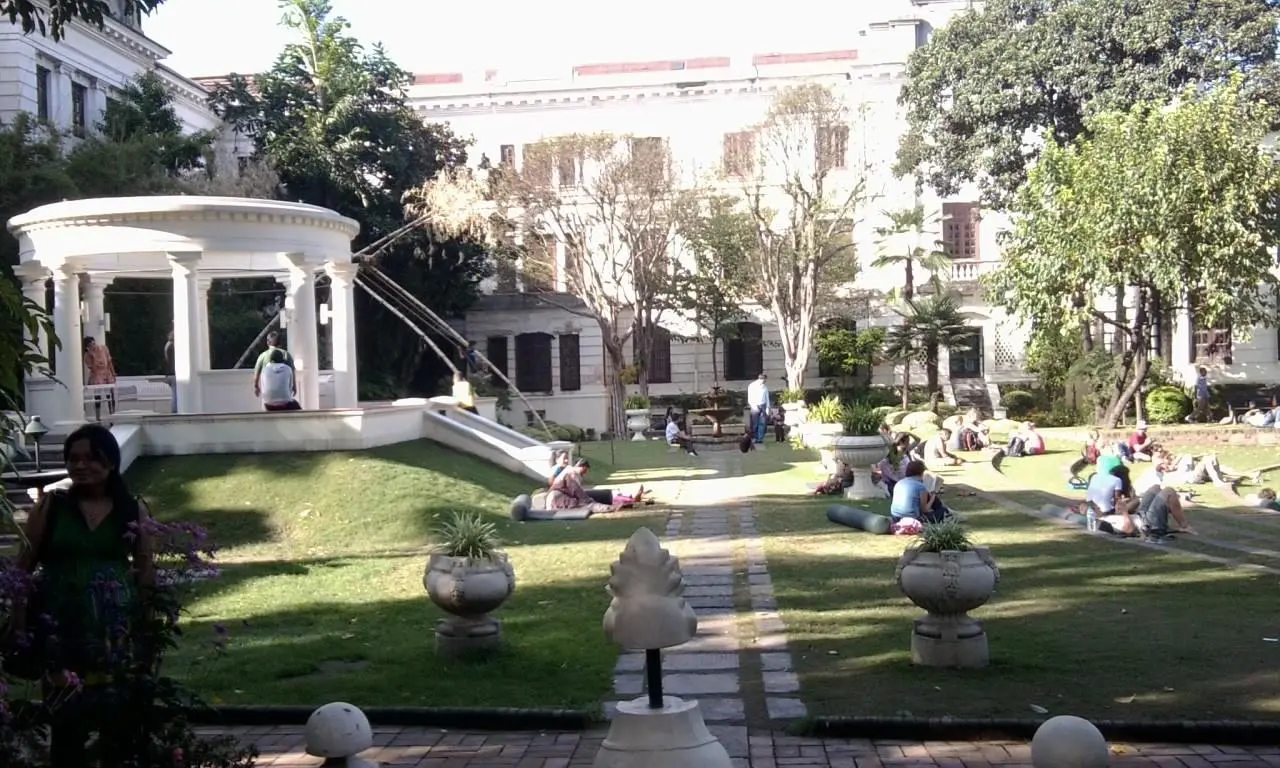
For a quieter escape, the Garden of Dreams offers a peaceful landscaped garden just outside Thamel’s chaos, with a café tucked among its lawns and pavilions.
This is likewise the day to sample authentic Nepali cuisine; dal bhat, momos, and Newari specialties are widely available around Thamel, along a growing café scene worth exploring among shopping stops.
Local handicrafts worth picking up encompass Thangka artwork, Khukuri knives, and hand-knotted carpets, mostly made locally instead of imported. Travelers looking to unwind can book a spa or massage session, common throughout Thamel and typically inexpensive.
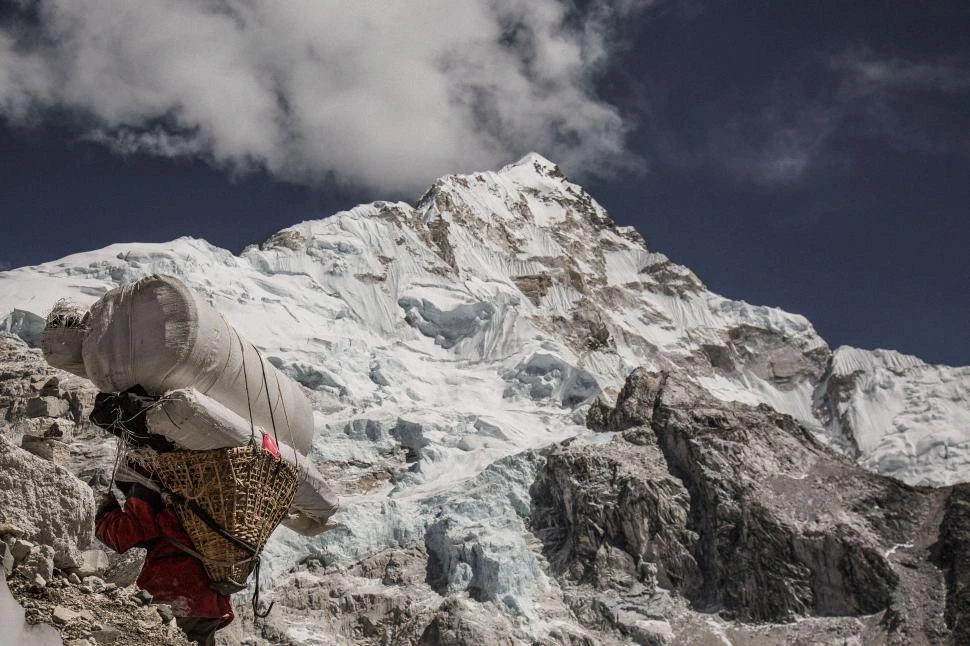
Day 10: Departure or Optional Everest Mountain Flight
Day 10 depends on flight timing. If departure is later in the day, travelers can fit in an Everest Mountain Flight, a scenic flyover providing close-up Himalayan views without the physical demands of hiking.
The flight itself lasts approximately one hour, departing early in the morning from Kathmandu and flying alongside the Himalayan range with near views of Everest, Lhotse, and Makalu. Every passenger receives a window seat, and cabin crew normally point out major peaks along the path.
Weather plays a major role here. Flights rely upon clear morning skies, and visibility is best for the duration of autumn and spring. Winter mornings can also work, though monsoon season commonly brings cancellations or delays because of cloud cover.
This flight fits travelers who want Himalayan views but cannot or do not need to trek, whether because of time constraints, physical limitations, or simply preferring comfort over multi-day treks like Everest Base Camp. For people with extra time on a future trip, the overall trek remains the more immersive alternative.
If skipping the flight, Day 10 is straightforward: final packing, airport transfer, and departure.
Best Time for This 10-Day Nepal Itinerary
Autumn (September-November) is the best time for this itinerary, supplying the clearest mountain views and stable weather throughout Kathmandu, Pokhara, and Chitwan. Spring (March-May) comes a close second, adding blooming rhododendrons to the mix.
Each season offers a different experience. Autumn and spring provide the clearest Himalayan visibility, best for Sarangkot sunrises and Everest mountain flights. Winter brings cooler temperatures and thinner crowds, still enjoyable for sightseeing even though early mornings can be cold. Monsoon season turns the valleys lush and green; however brings frequent rain, which can affect outdoor sports like paragliding and safaris.
| Season | Why Visit |
| Spring (Mar-May) | Clear skies, blooming rhododendrons |
| Autumn (Sep-Nov) | Best mountain views, stable weather |
| Winter (Dec-Feb) | Cool weather, fewer tourists |
| Monsoon (Jun-Aug) | Lush scenery, but frequent rain |
Where to Stay During Your 10-Day Nepal Trip
Where you base yourself affects how much time you spend in traffic versus actually seeing Nepal. Here’s a quick guide by city.
Kathmandu: Thamel or a quieter alternative
Thamel is the perfect choice, close to the main sights, full of restaurants and cafés, and easy for arranging tours at short notice. It’s also lively into the night. For something calmer, the Boudha area is a quick trip from Thamel but is much quieter at night.
Worth considering: Hotel Shanker or Hotel Jampa in Thamel, and Dwarika’s Hotel in Battisputali, within reach of Boudha.
Pokhara: Lakeside or a quieter area
Lakeside puts you right by Phewa Lake, within walking distance of cafés and the paragliding pickup points. The south end close to Khahare offers similar access with much less noise.
Worth considering: Temple Tree Resort & Spa on the lakeside, and Tiger Mountain Pokhara Lodge for a quieter, ridge-top stay outside town.
Chitwan: Sauraha or a nearby alternative
Sauraha is the main base for the park, close to safari departures and the river. It has a relaxed, village feel.
Worth considering: Green Park Chitwan for a comfortable mid-range stay in town, and Barahi Jungle Lodge for a more immersive jungle-lodge experience.
How Nepal Outdoor Expeditions Plans a 10-Day Nepal Trip
An itinerary on paper is straightforward to write. Making it genuinely suitable for the person who books it is a different job, and it’s the activity we do every day at Nepal Outdoor Expeditions. Every traveler who comes to us has a different pace, budget, and purpose for traveling Nepal, so the plan above is a starting point, not a hard-and-fast script. Here is how we sincerely construct a 10-day experience as soon as someone gets in contact with us.
Step 1: Understand the Traveler
Before we propose a suitable hotel or trail, we ask questions. What is your age and fitness level? Are you traveling with children, parents, or a companion who has never trekked before? What is bringing you to Nepal, the mountains, the temples, the natural world, or all three? What is your budget, and do you decide upon comfort or a more local, no-frills style of travel? These answers shape everything that follows. A honeymoon couple in their late twenties gets a completely different 10 days from a family with young children or a retired couple who wants slower mornings.
Step 2: Choose the Right Route
Once we know who we are planning for, we select the route. Kathmandu, Pokhara, and Chitwan offer a mix of culture, mountains, and wildlife, and this mixture works for most first-time travelers. But it is not the only option. Some travelers need more trekking and much less sightseeing, so we swap an afternoon in the valley for a short trek near Pokhara. Others want to skip the jungle and visit Lumbini or Bandipur instead. We build the route around what the traveler actually wants to see, not around a template.
Step 3: Balance Travel Time
Ten days sounds like plenty until you start including flight times, road travel times, and check-in windows. One of the most common mistakes we see in itineraries put together without local knowledge is cramming in too many stops. Kathmandu to Pokhara alone can take up half an afternoon if the route isn’t always planned nicely. We keep the number of locations sensible for the time available, so tourists spend their days seeing Nepal as opposed to sitting in transit.
Step 4: Build in Weather Flexibility
Mountain flights get delayed. Paragliding may be cancelled on cloudy or unsuitable-weather days. Flights between Kathmandu and Pokhara can be delayed or turned back when weather conditions deteriorate. We plan around these possibilities rather than pretending they won’t happen. That means building small buffers into the itinerary, deciding on backup activities for weather-dependent days, and briefing travelers in advance so a delay no longer throws off the whole journey.
Step 5: Arrange Local Logistics
This is the part tourists hardly ever see but always sense. Hotel bookings, private transportation between towns, English-speaking guides, Chitwan National Park entry fees and safari arrangements, access fees for UNESCO sites, and timing between activities all have to line up efficiently. We manage this end to end, so travelers aren’t always left figuring out local ticket or permit counters or negotiating a taxi at 6 a.m. before a sunrise hike.
Optional Additions if You Have More Time
For travelers with more days, a few locations extend the itinerary without disrupting the core Golden Triangle route.
Nagarkot, a hill station near Kathmandu, offers Himalayan dawn views much like Sarangkot but quieter and less touristy, making it a clean one-night add-on after the Kathmandu Valley days. Sarangkot itself has several viewpoints worth knowing about too. Our guide to the View Tower Manungkot covers one of the lesser-known spots above Pokhara.
Lumbini, Buddha’s birthplace and a UNESCO World Heritage Site, sits close to the Nepal-India border. Worth the detour for those inquisitive about Buddhist history, although it provides a full day or two.
Bandipur, a preserved Newari hill town between Kathmandu and Pokhara, makes a terrific stopover for travelers driving instead of flying between the two towns.
For an actual trek as opposed to viewpoints, the Mardi Himal Trek or Ghorepani Poon Hill Trek can update the Pokhara days, both attainable within a week. Travelers with two to 3 weeks can extend the trip, similarly fitting into a full Everest Base Camp Trek.
FAQs
Is 10 days enough for Nepal?
Yes, 10 days is enough to cover Nepal’s top highlights, Kathmandu Valley, Pokhara, and Chitwan, without feeling rushed. Travelers get UNESCO sites, mountain viewpoints, lakes, and wildlife safaris all within a practical timeframe. It may not leave room for a complete multi-day trek; however, sightseeing, culture, and nature fit in with no trouble.
What is the best itinerary for Nepal in 10 days?
The Kathmandu-Pokhara-Chitwan path, commonly known as the Golden Triangle, is the most popular and widely recommended 10-day itinerary. It balances historic landmarks, mountain scenery, and wildlife with minimal backtracking between locations, spending about 3 days in every major destination plus a return day in Kathmandu.
Which places should I not miss in Nepal?
Kathmandu Durbar Square, Boudhanath Stupa, and Pashupatinath Temple cover the valley’s crucial culture and religious sites. Phewa Lake and Sarangkot in Pokhara add mountain scenery, while Chitwan National Park rounds out the experience with jungle safaris and rhino sightings. Together, these form the core of nearly every well-planned Nepal itinerary.
Can I visit Everest Base Camp in 10 days?
Not comfortably within 10 days. The Everest Base Camp Trek alone generally takes 12-14 days round-trip, including acclimatization days required for high altitude. Within this itinerary, an Everest Mountain Flight on Day 10 gives close-up Himalayan views without the hiking time commitment.
Are Kathmandu, Pokhara, and Chitwan enough for a first trip?
Yes, this combination covers Nepal’s 3 defining travel experiences: ancient tradition, mountain scenery, and wildlife. Most Nepal tour specialists suggest exactly this direction for first-time travelers because it avoids overcommitting to a single destination while nevertheless going deep enough at every stop to be worthwhile.
Should I fly or drive between Kathmandu and Pokhara?
Flying takes about 25 minutes and suits tourists short on time or preferring comfort over lengthy road trips. Driving takes 6-7 hours, but costs significantly less and passes scenic views alongside the Trishuli River, making it an affordable trade-off for budget-aware or unhurried tourists.
What is the best month to visit Nepal?
October and November, during autumn, offer the clearest mountain views and most solid weather across Kathmandu, Pokhara, and Chitwan. March to May, spring, brings blooming rhododendrons in the landscape while still offering excellent visibility.