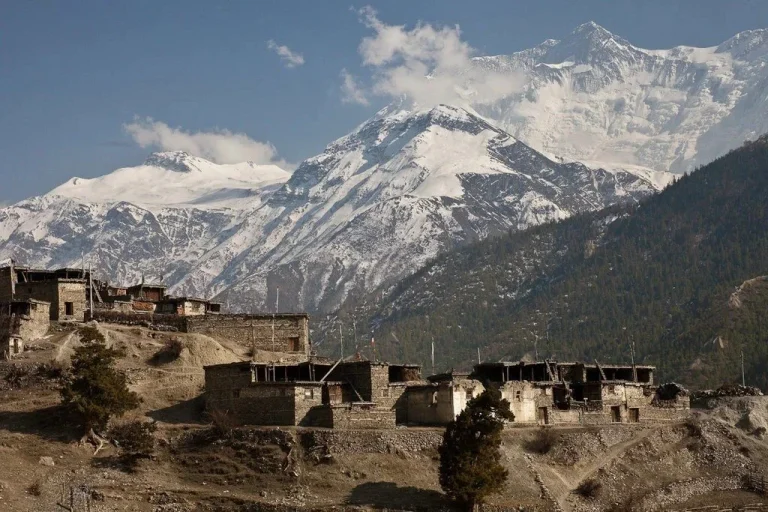
Annapurna Circuit Trek is an adventure that is likely to stick with you long after you take off your boots and get back to normal life. It begins in rich river valleys, where terraced green fields stretch upward, and then gradually climbs into a world where prayer flags flutter in the wind and mountains such as Annapurna, Dhaulagiri, and Machhapuchhre fill the entire sky.
The landscape does not simply shift; it transforms. Eventually, bamboo groves and rhododendron forests are replaced by the kind of desert you would expect to find on the Tibetan Plateau. At times, it is hard to believe you are still on the same journey. One moment you are surrounded by greenery, and the next you are in a land of desolate winds that feels like another world entirely.
However, the Annapurna Circuit is not only about the scenery, though it is extraordinary. It is equally about the people and the culture woven into every village you pass through. In the lower valleys, you walk through Gurung settlements.
Further up, the trail moves into Thakali and Tibetan-influenced communities, each with its own distinct history and traditions. Monasteries, chortens, and prayer wheels are not merely scenic details. They represent centuries of Buddhist and Hindu practice that continue to shape daily life. Even the most remote teahouse can feel unexpectedly cozy, perhaps because there is something universally comforting about a warm meal after a long day of walking.
This is an arduous yet deeply fulfilling trek. There is the physical challenge, of course: boulder-strewn trails and high mountain passes such as Thorong La at 5,416 meters. But there is more. A sense of awe. Introspection. Connection.
Whether you are seeking panoramic Himalayan views, cultural immersion, or simply peace in nature, the Annapurna Circuit delivers. And strangely enough, its impact is often felt most strongly after the trek is over.
Overview of Annapurna Circuit Trek
The Annapurna Circuit has long been touted as one of the finest long-distance treks in Nepal, and honestly, it is not hard to see why. The trail rises from the lowlands of the Marsyangdi Valley and slowly works its way up to the stark, high-altitude world of Thorong La Pass. It feels like an entire Himalayan story packed into one single journey. Most people take 12 to 18 days to complete it, covering somewhere between 160 and 230 kilometres, depending on the route they choose and the side trips they allow themselves.
What makes it different is simple. It gathers dramatic landscapes, real cultural encounters, and genuine physical challenge into one continuous walk. No breaks in character. It is almost as if Nepal decided to show off a little and placed all its finest features along one trail.
The landscape develops in stages. You begin in lush, green valleys. Warm air and terraced fields. Then you move through pine forests and slopes heavy with rhododendron. Gradually, almost without noticing the shift, you arrive in dry high-altitude deserts where the wind feels older than you are. Along the way, villages appear with welcoming teahouses with hot meals and simple rooms. Conversations with locals that feel unplanned but memorable. It is physically demanding, yes. There is no pretending otherwise. But it is also deeply satisfying, in ways that go far beyond ticking something off a bucket list.
The trail itself is wonderfully varied, though that may not be the word you think of when you are climbing endless stone steps carved into steep hillsides. There are narrow cliffside paths, glacial moraine underfoot, and suspension bridges that sway above roaring rivers. Some sections are smooth and almost meditative. Others, especially near the high passes, are rocky and slippery. And when it rains or snows, they can test your nerves in quiet but serious ways.
Altitude changes everything. One day, you are in fertile river valleys. Next, you stand on barren alpine plains where the air is thin and dry, and the sun feels uncomfortably close. Along the route, trekkers catch sight of Annapurna I, Dhaulagiri, Machapuchare, Manaslu, and Tilicho Peak. The Kali Gandaki Gorge, one of the deepest in the world, slices dramatically through the terrain. Then there are the villages with Gurung, Thakali, and Manangi communities. Monasteries, prayer flags, chortens, mani walls. They seem to rise out of the landscape almost unexpectedly.
The region is rich in flora and fauna as well, though it is easy to miss when you are concentrating on not tripping over loose rocks. Lower elevations are filled with rhododendron forests and alpine meadows. Higher up, if you are lucky and paying attention, you might spot snowcocks or blue sheep. Perhaps even the brilliantly colored Himalayan monal.
Cultural experiences layer themselves over the scenery. Endless photo opportunities, though none quite capture what it truly feels like to stand there in the wind. Side trips to places such as Tilicho Lake or Ice Lake add more depth to the journey. And in between the walking, there is space for reflection. Or at least the mountains offer it, whether you asked for it or not.
Still, the Annapurna Circuit is not easy. Long days, rapid ascents, and descents that seem never-ending. The real risk of altitude sickness at Thorong La Pass. The weather shifts quickly from warm and pleasant to cold and punishing. Icy stretches that demand careful steps. Basic teahouse facilities that can feel charming one night and exhausting the next. And then there is the mental side of it all. Walking day after day. Remote places. Fatigue is settling into your muscles. Doubt is creeping in sometimes.
Yet this is precisely why it matters. The trek challenges you physically and mentally, and somehow balances you at the same time. Something about Nepal, about its landscapes and living culture, does that. It is not merely a hike. It becomes an experience that alters something inside. So when you return to ordinary life, remove your boots, and slip back into routine, you realize you are slightly different. Maybe steadier. Maybe more aware. Not entirely the same person you were before.
Why the Annapurna Circuit Stands Out
There’s a reason people keep calling the Annapurna Circuit one of the most fulfilling experiences in the Himalayas. It’s not merely about getting from point A to point B; it’s a full-scale Himalayan adventure, with constantly shifting landscapes, deep cultural immersion, and challenges that test both body and mind.
Every step brings something different. The warm, green subtropical valleys gradually give way to cold, barren high-altitude deserts. Along the way: roaring rivers, peaceful monasteries, terraced agricultural fields, wind-swept ridges. The variety is as stunning as it is eclectic, and each day feels meaningful—whether that’s the rush of climbing a rocky ridge, the quiet of a small village, or the overwhelming presence of mountain peaks that never seem all that far away.
The Landscape Keeps Changing
The terrain changes dramatically, one of the most noticeable aspects of the Annapurna Circuit. Trekking in the lower valleys, trekkers pass through rich green hills, fertile rice terraces, and subtropical forests of orchids, rhododendrons, and bamboo groves. Between these remote villages, it is hot and sticky, with greenery.
The higher the elevation, the higher the scenery. Pine and rhododendron trees are replaced. In between the trees, terraced fields and the old farmhouses can be seen, giving trekkers an insight into how the local communities lived over the years. Climb further, and the transformation feels sudden. Alpine grasslands spread wide and open, mountain ranges rise without softness, and glacial moraine crunches under your boots.
The trail is never the same. Suspension bridges sway over rushing streams. Steps carved into cliff sides, jagged and uneven. Winding alleys cut through rocky gullies. The environment changes constantly. Keeps you moving. Keeps your mind busy. Every day feels different. Every day feels like an adventure.
You think you know what’s coming, and then a turn surprises you. A bridge appears, a cliff looms, and rocks shift underfoot. And somehow… You keep going.
Local Aspects: The Experience of Culture Definitely
Mountains are not the only attraction on the Annapurna Circuit. It is also about catching a glimpse of some of the most unique cultures in the Himalayas. The trail crosses villages of Gurungs, Thakalis, and Manangis, each with its own traditions, architecture, and lifestyle.
Stone and wooden buildings stand along the way. Prayer flags flutter endlessly. Chortens and mani walls mark the paths. Buddhist monasteries provide both a spiritual and historical backdrop for the journey. The cultural scene is a constant companion, as significant as the physical challenge itself.
One of the best—and perhaps most surprising—things is the friendliness of the villagers. Many are eager to share insights into lifestyles and customs that have remained intact for centuries while continuing to function in the modern world. Local festivals, when they occur, further enrich the experience, with music, dancing, and rituals that bring the community to life in a way that feels natural and entertaining, not staged.
Every encounter, every village along the way, adds meaning to the journey. One quickly realizes that this trek is as much a cultural journey as a physical one—perhaps even more so.
Mountain Views That Never Wear Out
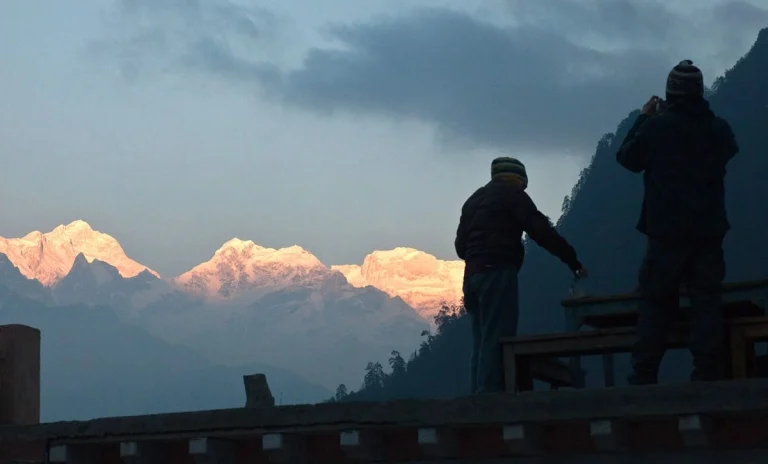
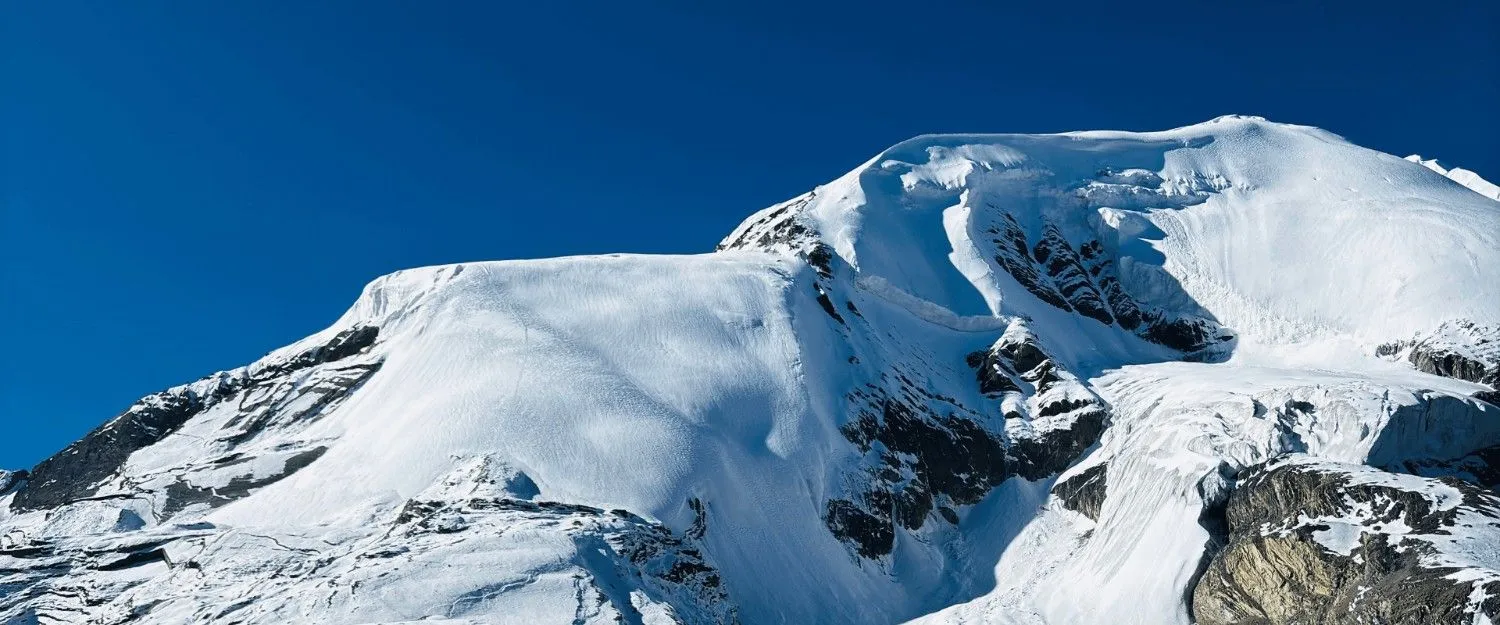
The mountain views throughout the Annapurna Circuit are among the most spectacular of any trek. Along different stretches, towering peaks dominate the skyline, including Annapurna I, Dhaulagiri, Machapuchare (the famous Fish Tail peak), Manaslu, and Tilicho. The Kali Gandaki Valley, often considered the deepest gorge in the world, offers a breathtaking view of cliffs plunging down to the river below.
Wildlife adds to the experience. Higher up, Himalayan monals, snowcocks, or blue sheep may be spotted (snow leopards exist in the area, but seeing one would require extraordinary luck). Lower down, alpine meadows bloom with wildflowers in season.
The scenery astounds at every turn: cliffs, rocky faces, and panoramic views that seem endless. The constantly changing perspectives offer endless opportunities for photography, meditation, or simply pausing to feel small in the grandeur of the mountains.
A Real Test of Individual Strengths
The Annapurna Circuit tests stamina, endurance, and adaptability in ways that office work never can. For many, crossing Thorong La Pass at 5,416 meters is the defining moment. It requires both mental willpower and time to succeed. Rushing it can bring the real danger of altitude sickness.
But beyond that single summit, the trek itself is demanding: long days on uneven trails, constant uphill and downhill, unpredictable footing, and the physical strain of high altitude, where oxygen is scarce. Each peak and pass is a tangible accomplishment, not just a box to tick.
Mental toughness grows alongside physical strength. Resilience and self-reliance develop. Even simple rewards—a hot meal at a teahouse, a sunset behind jagged peaks, or the silent satisfaction of reaching a pass—feel amplified by the struggle it took to achieve them.
This is why the Annapurna Circuit is so compelling. It is not just a trek through stunning landscapes; it is a life-changing experience that blends adventure, cultural insight, and personal challenge—an experience you will never forget once the journey is complete.
Best Time To Do Annapurna Circuit Trek
Selecting the appropriate season for the Annapurna Circuit is extremely important. The weather, trail conditions, visibility on the mountain, and the general experience- everything changes with the time you head out. The path passes through various climatic zones, including subtropical valleys and high-altitude desert, and thus the weather can change dramatically during the year.
Spring (March to May)
Spring is very much popular and rightfully so. The weather is reasonably predictable. In the lower valleys, daytime temperatures are about 15-25 °C, which is comfortable for trekking. Overall, at higher altitudes, temperatures may fall to -5°C or even lower, so warm clothes are necessary.
It is the season when the trail is filled with rhododendron reds, pinks, and whites streaming out of the hillsides. The terraced fields are green, the pine and bamboo forest is lush, and everything is vibrant. Snow on the high passes begins to melt, and the trails become more open, but at the start of the season, it may still be snow-covered on some of the higher parts.
The visibility tends to be very good. The panoramic views of Annapurna I, Dhaulagiri, Machapuchare, and Manaslu are brought into sharp focus. Lower- and middle-altitude sections of the trail are normally dry and straightforward. Further above, one should be careful, snow patches may remain, and losing gravel can create problems with footing.
With pleasant weather, sunny days, and fertile nature, spring is a good season. It is, perhaps, the most favorable period when it comes to photography and cultural absorption, and simply taking the hike without much of nature crying foul.
Autumn (September to November)
The most popular trekking season in Nepal is autumn, and the Annapurna Circuit is no exception. Once the monsoon has cleared, the weather normalizes, and the skies are extremely clear. Himalayan views are indescribable, sharp, vivid, and magnificent.
The trails are generally dry and firm, making walking safer and more pleasant than in other seasons. Post-monsoon, the landscape bursts with color. Forests, rivers, and fields all seem especially vivid. Mountain peaks stand out clearly, offering panoramic views throughout the day.
Temperature-wise, valleys range from 18°C to 25°C during the day. Mid-altitudes hover between 10°C and 18°C in the daytime, dropping to 2°C to 5°C at night. Around Thorong La Pass and other high-altitude areas, daytime temperatures typically sit between 0°C and 8°C, while nights can plunge below -5°C.
The trail also feels lively. Villages are bustling, often hosting festivals and local activities that add to their cultural richness. It’s crowded, sure, but there’s something energizing about the communal atmosphere.
Winter (December to February)
Winter trekking attracts those who enjoy solitude and are undeterred by additional challenges. Lower valleys are cool and comfortable, with daytime temperatures between 10°C and 15°C and nighttime temperatures near 0°C. Mid-altitudes get colder, and heights above 4,000 meters may drop as low as -10°C. Daytime temperatures rarely exceed 5°C at these elevations.
Strong winds are common, and snowfall is expected. Thorong La Pass can be partially or fully covered in snow, posing significant challenges and danger.
The upside? The trails are much less crowded, often nearly deserted. For those who appreciate solitude and are prepared for extreme temperatures, winter offers snow-covered landscapes and peaceful surroundings that are hard to find during high season.
However, winter trekking requires proper gear and experience. In remote areas, tea houses are often scarce, so prior arrangements are essential. It is not a season for beginners or those unprepared for harsh conditions.
Monsoon (June to August)
The wet season, or monsoon, is characterized by rain and humidity. The trails are also slippery, particularly at lower and middle altitudes. The valleys become so green, which is splendid, but heavy rains cause landslides, floods, and muddy paths that make walking harder and even out of hand.
Areas at high altitude, such as upper Mustang, are in the rain shadow and are drier. Nevertheless, sudden downpours and hazy weather may occur, reducing visibility even at altitude.
Temperature-wise, the valleys range from 20 °C to 28°C. Further up, it is colder and harsher. During the monsoon, there is always very little snow, but the trails are unstable and slippery in any case, and one should exercise extreme caution.
Trekking in the monsoon is a true adventure. Trekkers must expect unpredictable weather, wet conditions, reduced visibility, and the need for flexibility. It is not impossible, but patience, adaptability, and readiness to adjust plans are essential.
How Hard the Trek Actually Is
The Annapurna Circuit is usually moderate to difficult. Long walks, endless scenery, and high-altitude conditions push your body. Novices can do it, yes. With preparation. But don’t underestimate it. You need planning, awareness of altitude effects, and the ability to adapt on the fly. It’s not just a walk, it’s a test of endurance, of patience, of mind and body together.
Trail Conditions
The path is a diverse blend that is both interesting and challenging. Downhill sections pass through paths and dirt roads used for centuries by villagers and across terraced fields. Mid-altitude regions feature rocky paths, stone steps, and cliffside trails, which require more attention. At elevations above 4,000 meters, particularly on glacial moraine, loose gravel or snow-covered ground must be navigated carefully, and delicate footing is essential.
The suspension bridges built across rivers and gorges add excitement (or fear, depending on your perspective). Weather can also change trail conditions quickly. Rain, snow, and landslides are all possible, so trekkers must stay watchful and agile.
Altitude: The Big Challenge
The greatest obstacle is the Thorong La Pass at 5,416 meters, the summit of the journey. Climbing too quickly without adequate acclimatization may result in Acute Mountain Sickness (AMS), characterized by headaches, nausea, fatigue, and breathlessness. In extreme cases, it can be life-threatening.
To reduce the risk, most trekkers include extra rest or acclimatization days in villages such as Manang or Yak Kharka. It is important to monitor symptoms, remain hydrated, and take it slow. Rushing to cross the pass can be disastrous. Gradual and steady progress really does win the race.
Physical Demands
Daily walking can last 5 to 9 hours, depending on pace and elevation gain. The trail has sharp climbs that feel never-ending and equally steep descents that strain the knees. Trekkers may encounter rough, hilly, wet, or snowy terrain.
Core strength, leg strength, and ankle stability are all important. Fatigue builds up day by day, and even minor obstacles, like cracks in the trail or muddy areas, become more challenging when the body is weary.
Mental and Emotional Strain
The Annapurna Circuit is a test of mental strength as well. Days can be long and tedious, and some remote sections feel isolating. Physiological fatigue, high altitude, and unpredictable weather all contribute to psychological stress.
To overcome these difficulties, it is important to think positively, take one step at a time, and celebrate small achievements—reaching a teahouse, crossing a bridge, or seeing a new mountain. These small victories help maintain morale when both body and mind are under strain.
Preparation for the Annapurna Circuit
To truly enjoy the Annapurna Circuit—and survive the physical, mental, and altitude challenges—you have to be ready. Really ready. That means fitness training, smart packing, planning for acclimatization, and getting your head in the right space for the journey ahead.
Physical Preparation
The expedition is full of walking, steep ups and downs, and uncertain paths. It is necessary to build stamina and strength. The most important is cardiovascular fitness, as the body must be able to use oxygen efficiently at higher levels. Long-distance hiking, brisk walking, running, cycling, and climbing stairs are some of the activities that help.
Balance and stability in uneven trails. Strength training centered on legs, core, and back (squats, lunges, planks, weighted exercises, etc.) enhances balance and stability. It is also used to avoid injuries.
It is wise to train using a loaded backpack. The gradual addition of weight simulates the real situation and prepares the muscles, joints, and stamina for days of constant walking while carrying the equipment.
Stretching and yoga are also useful for avoiding injuries and enhancing overall flexibility, which is especially handy on rocky or steep sections.
Mental Preparation
Physical fitness is equivalent to mental fitness. Isolated locations, long hours, elevation, and erratic climate can take their toll on the psyche. Mental preparation includes setting realistic expectations, scheduling rest days, and imagining difficult sections such as the Thorong La Pass.
It is important to develop a positive attitude. So does flexibility. Mindfulness or meditation also helps with stress, fatigue, and discomfort when they inevitably occur.
It is also advantageous to learn about the trail, weather conditions, and the effects of altitude before departure. Being prepared for what to expect, possible setbacks, how to react to fatigue or mild altitude sickness, and the ability to keep the big picture in mind regarding the distances covered in a day make the process more tolerable and pleasant.
Acclimatization Plans
The use of acclimatization strategies helps prevent illnesses associated with the high-altitude environment. Acclimatization plays a vital role in preventing Acute Mountain Sickness (AMS), particularly as one approaches the Thorong La Pass.
Key strategies include:
- Historical climbing: Do not exceed 3,000 meters of elevation, more than 300-500 meters a day.
- Rest days: Spend more time in places such as Manang or Yak Kharka to allow the body to acclimatize.
- Hydration and nutrition: Drink plenty of water and maintain a balanced diet to maintain energy levels.
- Pay attention to the body: note symptoms such as headaches, nausea, or fatigue. Should they come, descend immediately if necessary.
If December timing is on your mind, our guide to Khopra Danda in December covers a shorter alternative in the off-season.
Final Thoughts
The Annapurna Circuit is not merely a walk in the Himalayas; it is an adventure that entails breathtaking views, cultural richness, and a personal challenge that stays with one for a long time after the trip is over. From fertile subtropical valleys to high mountain deserts, silent monasteries, and roaring rivers, every step reveals something new.
When well prepared, both physically and mentally, trekkers can explore the region’s natural beauty and cultural diversity and safely cross high passes such as Thorong La. It is not merely about survival of the fittest. It is an experience that changes you and stays with you long after the last glimpse of the mountains has faded.
If Annapurna Base Camp or the shorter Mardi Himal Trek fits your schedule better, our guides to how long the Annapurna Base Camp Trek takes and the complete Mardi Himal trail guide cover both shorter alternatives in the same region.
Ready to embark on your Annapurna adventure? Let Nepal Outdoor Expeditions guide you every step of the way.