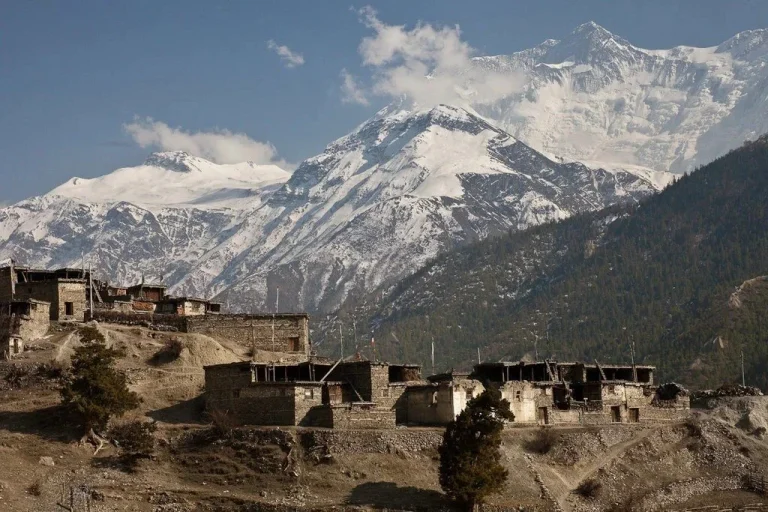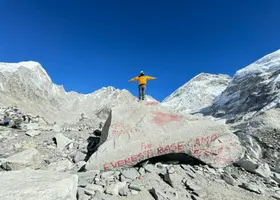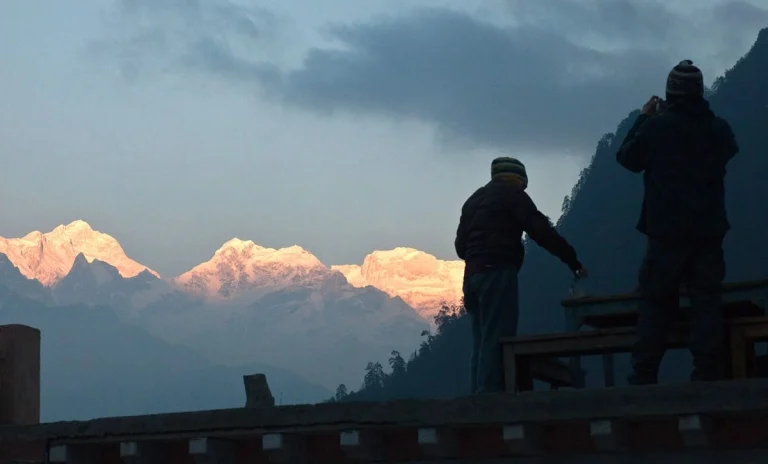
The Everest Base Camp Luxury Trek has become one of the most popular trekking options in Nepal. More travelers now want to stand at the foot of the arena’s highest mountain without sacrificing comfort along the way.
Standard teahouses, shared rooms, and long bus rides work well for budget trekkers, but they are not ideal for everyone.
Combines the authentic Everest trekking experience of the Khumbu with higher motels, smoother logistics, and less trouble. But the phrase “luxurious” gets used loosely in trekking, so it enables you to recognize precisely what you’re paying for.
What certainly makes a trek “luxurious”? How much extra does it cost compared to a standard trek? Is a helicopter going back well worth the extra money? And who, in reality, benefits from upgrading?
What Is an Everest Base Camp Luxury Trek?
An Everest Base Camp Luxury Trek follows the same trail, altitude profile, and walking days as the usual EBC trek; however, it upgrades the accommodation, food, transport, and guide along the way. You still trek through Sherpa villages, cross the same suspension bridges, and reach the same base camp. The difference lies in how comfortable the journey feels in between.
A general trek puts you in simple teahouses with shared rooms, simple meals, and minimum extras. A Luxury Everest Base Camp Trek provides non-public rooms when available, higher-quality motels, more varied food, smaller group sizes, and further personnel support.
That said, “luxury” inside the Khumbu would not mean five famous person lodges at each point. Above Namche Bazaar, even the pleasant motels run on solar electricity and constrained water, so travelers must expect comfort to be relative. The real fee is in better beds, higher food, and less strain, not five-megastar polish at 5,000 meters.
What Makes the Everest Base Camp Luxury Trek Different?
Several upgrades work together to turn a widespread EBC trek right into a luxury one, and each one eliminates a small discomfort from the journey.
Premium hotels take a seat at the pinnacle of the list. These hotels provide higher insulation, right beds, connected or close by lavatories, and eating halls with proper heating. Food quality also improves. Luxury treks consist of extra various menus, sparkling ingredients where feasible, and higher hygiene requirements inside the kitchen.
Group size also makes an actual difference. Luxury treks typically run in small agencies, so the tempo stays cushty and the trail feels less crowded at meal times and viewpoints. Extra support personnel, consisting of additional porters and, now and then, an assistant manual, take strain off both your frame and your agenda.
Here’s how the two styles compare:
| Feature | Standard Trek | Luxury Trek |
| Accommodation | Basic teahouse, shared rooms | Premium lodges and private rooms were available |
| Food | Simple set menus | Wider menu, better quality |
| Group size | Often larger | Small group or private |
| Support staff | Standard guide and porter ratio | Extra porters, sometimes an assistant guide |
| Daily pace | Fixed itinerary | More flexible, less rushed |
What Are Accommodation Standards Like on the Luxury Everest Base Camp Trek?
Accommodation at the Everest Base Camp Luxury Trek varies widely depending on where you are on the trail, and that is something every trekker must recognize before reserving.
Lower down, in places like Lukla, Phakding, Namche Bazaar, and Tengboche, luxurious lodges offer actual improvements. Think right beds with thick duvets, attached bathrooms, warm showers, eating halls with working warmers, and menus that go beyond the same old dal bhat and noodles. These lodges feel more like comfortable mountain retreats.
Higher up, beyond Dingboche toward Lobuche and Gorakshep, the gap among luxurious and trendy narrows. Buildings get smaller, water becomes scarce, and even the first-rate available rooms run on basic heating and shared centers. This is not a flaw inside the trek. It’s genuinely how the Khumbu works at altitude.
Local perception: the better you climb, the less “luxury” approach a fancier room and the greater the way a warmer napping bag, better meals, and a experienced guides who know the best lodges and dining options along the route. Our altitude sickness guide explains why your frame desires consistent acclimatization regardless of how excellent your room is.
How Comfortable Is the Everest Base Camp Luxury Trek?
Yes, the Everest Base Camp Luxury Trek feels more comfortable than the standard path, and the distinction becomes apparent at the end of every trekking day.
Sleeping consolation improves first. Better mattresses, hotter rooms, and quieter hotels all assist you to get better in a single day, which topics while you’re trekking six to seven hours a day at altitude. High-quality food plays a large role, too. Fresh, numerous foods deliver the strength your body needs to keep going, even as decreasing the stomach issues that from time to time come from repetitive basic foods.
Logistics additionally turn out to be smoother. Your guide handles room assignments, meal timing, and each day’s planning, so you spend less intellectual energy on small selections and more on enjoying the trail.
Why consolation subjects greater at altitude: above 3,000 meters, your frame already works harder to breathe, digest meals, and stay warm. Anything that reduces pressure, like an awesome night’s sleep or a hot meal, allows your body to cope better with the demands of altitude. At high altitude, comfort is more than a luxury; it supports better rest, recovery, and acclimatization.
How Much Does an Everest Base Camp Luxury Trek Cost?

An Everest Base Camp Luxury Trek expenses more than a fashionable trek, and the price difference comes down to a few clear elements as opposed to random markup.
Accommodation improvements force an awful lot of the fee. Premium inns charge more for better rooms, meals, and centers, especially in the lower villages where those improvements are most available. Transportation adds another layer. Many luxury programs include domestic flight enhancements, personal automobile transfers in Kathmandu, and sometimes a helicopter return option, which increases the general fee extensively.
Service levels also affect cost. Smaller organizations, additional group of workers, and extra attentive guiding all require extra resources consistent with trekker, and that is reflected in the price.
If price range is your most important problem, it allows you to compare this with our Budget Everest Base Camp Trek to see exactly what you’ll be paying more for, and whether those improvements are worth it to you.
Are Helicopter Options Worth It?
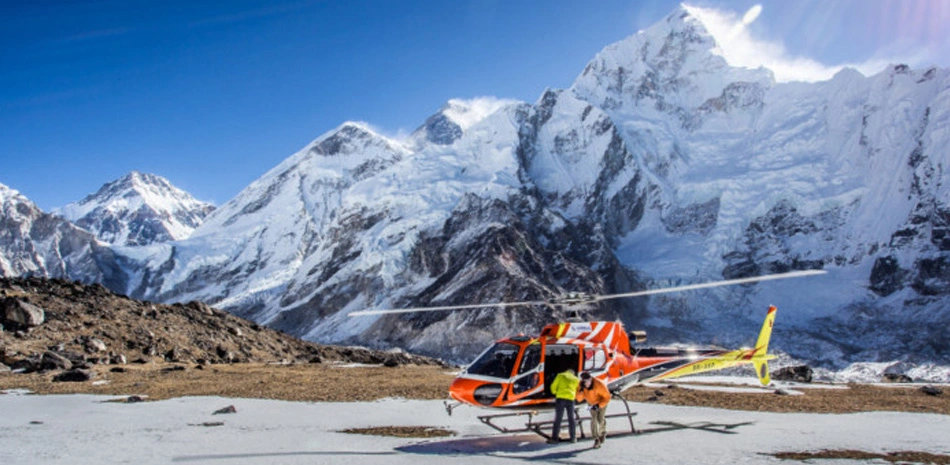
A helicopter return is one of the most famous upgrades at the Everest Base Camp Luxury Trek, and it solves a real problem: the trek back to Lukla takes almost as long as the stroll up, but offers a lot less new scenery.
Flying out saves 3 days of trekking, which matters if you’re short on time or your knees are tired by the time you reach base camp. The flight itself will become a part of the experience too, supplying you with sweeping perspectives of the Khumbu Glacier, Everest, and surrounding peaks that you truly cannot get from the path.
Here’s how the two options compare:
| Standard Return | Helicopter Return |
| Walk down | Fly out |
| Longer duration | Shorter duration |
| Lower cost | Higher cost |
| More trekking | More comfort |
Whether it’s worth it depends on what you value more: extra trekking days through familiar scenery, or extra time and comfort at the end of a demanding trip. Our dedicated guide on the Everest Base Camp helicopter tour breaks down the cost and experience in more detail.
Everest Base Camp Luxury Trek vs Standard Trek
Choosing between the Everest Base Camp Luxury Trek and the standard trek comes all the way down to how much comfort matters to you on a bodily worrying adventure. Both routes follow the same path, hit the same altitudes, and reach the same destination. What changes is everything surrounding the trekking experience.
Accommodation is the most important gap. Luxury treks provide higher accommodations and private rooms, where feasible, even as trendy treks stick to fundamental teahouses with shared facilities. Food follows the equal sample, with luxury treks imparting more range and higher quality, in particular at lower elevations. Transportation differs too, since luxurious applications frequently include flight or vehicle enhancements that widespread treks skip.
Cost is the clearest choice. Luxury treks run incredibly higher, and that greater spend goes directly into comfort, not into making the trek less difficult or more secure.
| Factor | Standard Trek | Luxury Trek |
| Accommodation | Basic teahouses | Premium lodges, private rooms (lower elevations) |
| Food | Simple, repetitive menus | Varied, higher quality |
| Transportation | Standard flights/transfers | Upgraded flights, private transfers |
| Cost | Lower | Higher |
| Comfort | Moderate | High |
| Overall experience | Traditional, no-frills | Smoother, more relaxed |
Neither option changes the difficulty of the trek itself. If you are still deciding between routes and intervals, our five-Day vs 7-Day Everest Base Camp Trek evaluation covers a specific, however related selection worth considering.
Who Should Choose the Everest Base Camp Luxury Trek?
The Everest Base Camp Luxury Trek suits a selected sort of tourist, and recognizing yourself in this listing makes the selection much easier.
Luxury tourists who already choose comfort in their ordinary journeys will admire the upgraded resorts and food without feeling like they may be “roughing it” more than vital. Older trekkers advantage too, because better sleep and food support recuperation on a trek that already pushes the body tough.
Busy professionals with constrained excursion time frequently choose the helicopter return option, because it frees up extra days without cutting the trek short. First-time Himalayan trekkers from time to time feel more assured, beginning with some comforts in the area, particularly if high-altitude trekking is new territory.
This trek style works properly if you:
- Want to pay attention to the revel in, no longer on logistics
- Prefer better sleep and meals during a disturbing trek
- Have flexible finances and a confined time
- Are attempting excessive-altitude hiking for the first time and need more comfort to be built in
If the maximum of these follows you, the Luxury Everest Base Camp Trek package deal is well worth a better look.
Who Should Choose a Standard Everest Base Camp Trek Instead?
The Everest Base Camp Luxury Trek is not important for everybody, and that’s flawlessly satisfactory. Budget tourists frequently find that popular teahouses already meet their needs, in particular because the path enjoys and views stay precisely the same both ways.
Experienced backpackers tend to value simplicity over consolation improvements. If you have trekked at altitude before, primary lodging feels familiar rather than uncomfortable, and the extra value won’t add much to your enjoyment.
Travelers who enjoy the conventional aspect of hiking, sharing a dining corridor with different hikers, ingesting easy meals, and preserving matters simple, often choose the standard path on purpose. Adventure purists fall into this institution, too. For them, part of the enchantment is the rawness of the adventure itself.
If this sounds like you, our Everest Base Camp Trek covers the same path and milestones without the introduced price of luxurious improvements.
Is the Everest Base Camp Luxury Trek Worth the Premium Price?

The Everest Base Camp Luxury Trek is well worth the premium price for trekkers who want the same iconic adventure with fewer rough edges. The greater price buys consolation, no longer a shortcut, and that distinction matters while finding out if it suits your ride.
Value comes all the way down to what you prioritize. A widespread trek and a luxurious trek both attain the equal base camp, see the equal mountains, and follow the same trail. The luxury version enhances the parts of the journey between trekking days, including accommodation, meals, and recovery. For many trekkers, the added comfort justifies the additional cost. For others, it’s an upgrade they are able to luckily bypass.
Time financial savings are also a factor, especially with a helicopter return. If your agenda is tight, paying more to gain two or 3 days again can be the deciding factor on its own.
Choose Luxury If:
- You want better sleep and food without compromise
- Your time in Nepal is limited
- You’re trekking at altitude for the first time and want extra support
- Comfort matters more to you than saving money
Best Time for an Everest Base Camp Luxury Trek
The exceptional time for an Everest Base Camp Luxury Trek is spring (March to May) or autumn (September to November), and each seasons offer their very own advantages.
Spring brings warmer days, blooming rhododendrons alongside the lower trail, and generally a strong climate for flights in and out of Lukla. Autumn offers the clearest mountain perspectives of the 12 months, together with crisp, dry conditions that make trekking days more comfortable.
Winter luxurious hiking is feasible too; however, it comes with trade-offs. Fewer crowds and lower charges make it appealing; however, some luxurious accommodations at better elevations near or run with restricted offerings, and extreme cold can affect even the pleasant rooms.
Lodge availability also shifts via season. During the top spring and autumn months, famous luxurious lodges refill quickly, so reserving ahead subjects greater than usual.
Whatever season you pick, packing the proper tools makes a bigger difference to your comfort than the inn itself. Our packing list for trekking in Nepal covers precisely what to bring for every season.
FAQs
What is included in a luxury Everest Base Camp trek?
A luxury Everest Base Camp trek typically includes upgraded lodging, better food, domestic flights, an experienced guide, porter services, and all necessary permits. Most applications also handle the paperwork for you, although it is still helpful to understand the permit requirements before your trek. Our Nepal trekking allows manual explains which permits are required and why they matter.
How luxurious are the lodges on the Everest Base Camp Luxury Trek?
Lodges feel noticeably more comfortable than standard teahouses in the lower villages, with right beds, attached bathrooms, and better dining areas. Higher up, close to Lobuche and Gorakshep, the gap between luxury and standard accommodation becomes much smaller due to altitude and limited infrastructure. Expect the level of comfort to gradually decrease as you gain altitude.
Is a helicopter return worth it?
A helicopter return saves two to three days of trekking and offers you aerial views of the Khumbu, which are impossible to experience from the trail. It’s worth it if you’re short on time or would rather skip the walk back. If you experience trekking and have the time to spare, trekking back remains a rewarding part of the journey.
How much more expensive is a luxury trek?
Luxury treks cost more than standard treks, mainly due to better accommodation, meals, and optional enhancements like helicopter returns. The price difference mainly depends on package, group size, and which upgrade you pick. Comparing a luxury package towards a budget option makes the price difference less difficult to understand.
Can beginners do a luxury EBC trek?
Yes. Although the accommodation is more comfortable, the trekking distance and altitude remain the same. Beginners should still prepare physically and allow enough time for acclimatization.
Are private rooms available?
Private rooms are typically available in lower villages like Lukla, Namche Bazaar, and Tengboche. As you climb higher, rooms become smaller and shared facilities become more common, even on luxurious packages, really due to limited space and infrastructure.
Is Wi-Fi available in luxury lodges?
Most luxury lodges offer paid Wi-Fi in lower villages, even though the speed and reliability vary. Higher up, internet connections become slower and less reliable. Trekkers should not expect fast, reliable internet anywhere on the trail, regardless of the type of accommodation.
Is the luxury trek worth the extra cost?
It depends on what you value. If comfort, higher sleep, and smoother logistics are what you value most, the additional cost provides real benefits. If you’re comfortable with simple accommodation and want to save cash, the standard trek offers the same path and views for less.