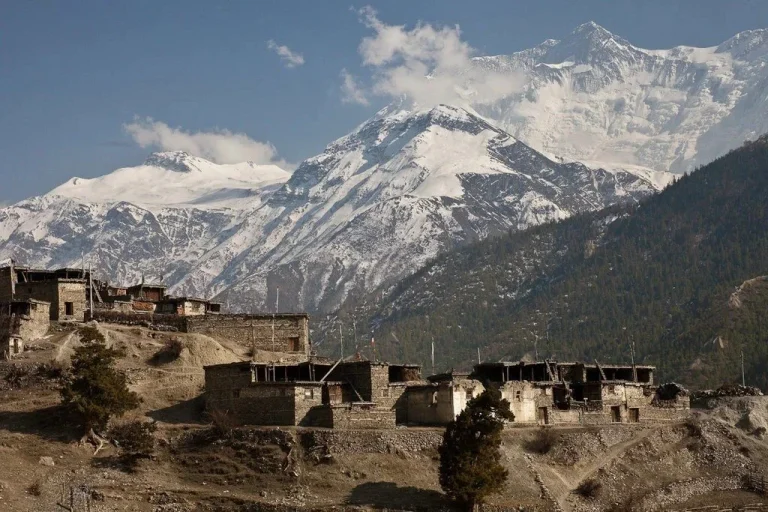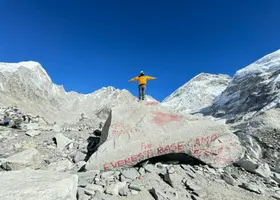

The thought of organizing a trek to Kanchenjunga is exhilarating, and it is accompanied by questions related to money. How much will it really cost? What is your budget? You are not alone in asking yourself these questions, which keep you up at night. The Kanchenjunga Circuit Trek is one of the most secluded mountain expeditions in Nepal, and knowing the real price before you pledge to this amazing expedition is paramount.
Beginning at Kathmandu and following untouched valleys, soaring mountains, and unspoiled scenery, this trek is something that can hardly be found on any other path in the Himalayas. But this remoteness comes with its own price tag. Although it is not as popular as the Everest or Annapurna routes, the Kanchenjunga Circuit is a place that needs to be planned carefully in terms of finance, as you are going to explore one of the least developed areas of Nepal.
We will breakdown just what you have to spend on permits and porters, on flights and food. At the conclusion, you will have a clear idea about the overall cost and viable plans to control your budget without trimming safety or experience.
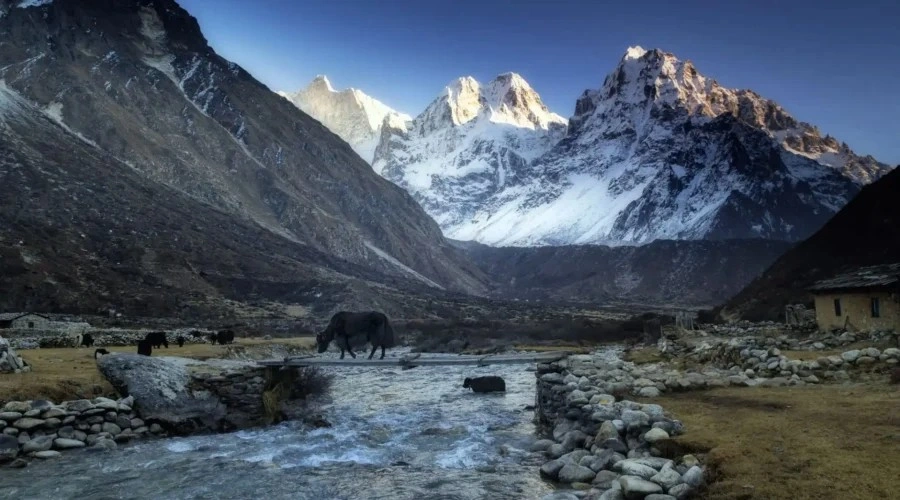
What You Can Expect from the Kanchenjunga Circuit Trek
The Kanchenjunga Circuit Trek is not a typical mountain walk. It is an all-encompassing experience of one of the most pristine parts of the Himalayas. Look forward to untouched nature, pure cultural experiences, and memories that stay with you long after you return even after you have gone back to your normal life.
- Jaw-dropping Mountain Views: You will be enveloped by the stunning Himalayan ranges all through your trip, including the legendary Mount Kanchenjunga, the third-highest mountain in the world. These views are not just landscapes. They are the primary attraction that draws people to this trail, and they will reward every step that you take as you cross high passes and reach base camps.
- Remote and Less Crowded Routes: Compared to Everest Base Camp or Annapurna Circuit, there are far fewer trekkers on this route. You will spend days on the trail and never see crowds or be in a hurry. This isolation provides a real mountain experience, where you can literally hear yourself think and connect with nature.
- Unique Wildlife Experiences: The region has amazing biodiversity in the Kanchenjunga Conservation Area. You may spot a red panda moving through the forest, a Himalayan tahr, climbing the mountain, or, if very lucky, a snow leopard in the distance. These are not guaranteed, but these possibilities make all trails magical.
- Rich Cultural Immersion: You will visit villages of the Limbu, Rai, Sherpa, Tamang, and Gurung. You will be able to see typical houses and locals living their daily routines and have a glimpse of mountain culture, which has remained largely unchanged over generations. Such interactions establish actual human relations that cannot be fully captured in a guidebook.
- Buddhist Heritage and Spirituality: The route is dotted with monasteries, prayer flags, mani walls, and chortens. You will go through areas of profound spiritual importance. The tranquility of these spiritual places gives your hike a spiritual touch that makes it significant and down-to-earth.
- Various Natural Landscapes: This hike will expose you to different ecosystems. You will hike in rhododendron bushes with dense canopies, walk through alpine meadows with wildflowers, pass by glaciers, and tread high mountain plateaus. All the zones are as though entering a new world altogether.
- Physical Performance: Reaching Kanchenjunga Base Camp is a real achievement; it was my actual achievement. The remote land, the long days, and the high altitude challenge you both physically and mentally. Seeing the immense south face of Kanchenjunga when you are at the base camp is overwhelming and unforgettable.
- Tea House Hospitality: Remote as it may be, the tea houses along the route offer genuine warmth and hospitality. The local families prepare food for you and give you clean rooms and hot tea during cold mornings. This personal touch renders the journey intimate and relatable.

Detailed Itinerary of Kanchenjunga Circuit Trek
- Day 1: Fly to Bhadrapur and drive to Phidim: Your adventure kicks off the moment you leave Kathmandu. Our team will meet you at Tribhuvan International Airport and see you off on a short one-hour flight east. As the plane climbs, you get your first real glimpse of Nepal’s hilly terrain rolling out below you, a pretty good sign of what’s to come. Landing in Bhadrapur, you’ll hop into a vehicle for the drive up to Phidim. It’s a long stretch, around six to seven hours, but the highway runs through countryside that genuinely earns your attention. Phidim sits in a quiet valley deep in eastern Nepal, and on a clear day, the snow-covered peaks are visible from the viewpoints above town. By the time you check into your hotel or lodge, you’ll be ready for a proper rest.
- Day 2: Drive to Sekathum via Taplejung by jeep: Get an early breakfast because today is another long one. The drive from Phidim follows the Mechi Highway through Taplejung before continuing to Sekathum, and the scenery along the way makes the hours pass more easily than you’d expect. Taplejung itself is worth a brief stop. It’s an old settlement with deep Limbu roots, and the Pathibhara Devi Temple here draws pilgrims from across the region. After a short break to stretch your legs, you’ll continue to Sekathum, a small but welcoming village where you’ll spend the night.
- Day 3: Trek from Sekathum to Amjilosa: This is it, your first real day on foot. Step outside in the morning and you’re already rewarded with a view of the Himalayas turning golden in the early light. After breakfast, you’ll lace up and head out. The trail starts gently, climbing past waterfalls and small streams before picking up pace toward Jabari, where you’ll stop for lunch. The afternoon section involves a steady climb, but the surrounding forest keeps things interesting. By the time Amjilosa comes into view, you’ll have earned your rest, and you’ll sleep well knowing the real journey has begun.
- Day 4: Trek from Amjilosa to Gyabla: Today, the trail follows the Ghunsa Khola river for much of the day, and it’s one of those walks where you lose track of time because there’s always something to look at. You’ll cross a bridge high above the river, push through patches of bamboo, and navigate a few switchbacks on rocky terrain. There’s one stretch that passes through a landslide-prone area, so you’ll move through it carefully and steadily. It’s nothing too dramatic, but it gives you a taste of the wilder side of this region. Gyabla is a small settlement, and you’ll find a comfortable spot to rest after what is a genuinely satisfying day of trekking.
- Day 5: Trek from Gyabla to Ghunsa: The trail narrows as you leave Gyabla, following the river through a valley that sits around 2700 meters. Rhododendrons and bamboo trees line much of the route, and if you’re lucky and quiet enough, you might spot red pandas or Himalayan black bears moving through the forest. After crossing through the winter settlement of Phale, the valley opens up and Ghunsa comes into view, a proper mountain village ringed by snow-covered peaks. There’s a significant Sherpa community here, and you can feel the Tibetan Buddhist influence in the gompas, mani walls, and prayer flags that dot the village. Settle in, have a warm meal, and take it all in.
- Day 6: Acclimatization at Ghunsa: There’s no rushing today, and honestly, that’s a gift. Your body needs time to adjust to the altitude before pushing higher, so the day is yours to explore at a comfortable pace. A short hike up to the nearby ridges rewards you with a stunning view of Kumbhakarna Peak, more commonly known as Jannu, standing at 7,711 meters. The trail toward Lapsang La, following the Yamtari Khola, is another great option, with a glacial pond worth visiting along the way. Back in the village, take time to walk through the local lanes, observe daily life, and if you get the chance, try a cup of Tongba, the local millet wine. It’s warming in more ways than one.
- Day 7: Trek from Ghunsa to Khabhanchen: Leaving Ghunsa, the trail runs along the riverbanks through a beautiful forest of rhododendron, pine, and birch. It’s one of the more visually rewarding stretches of the entire trek, even as the terrain gets progressively more rugged. You’ll cross a wooden bridge to reach Rampuk Kharka, then navigate past cascading waterfalls before the trail enters a landslide zone where Mt. Jannu suddenly fills your field of vision from a completely new angle. It’s the kind of view that stops you mid-step. From there, it’s a solid push to Khambachen, where you’ll set up for the night.
- Day 8: Trek from Khambachen to Lhonak: A shorter day by distance, but you’ll feel the altitude doing its work. The landscape by now has shifted into high alpine territory: boulders, rocky hillsides, and very little vegetation to soften the views. The trail drops briefly before climbing alongside the river, crosses a bridge, and passes the beautiful Ramtang Monastery, a surprisingly serene spot in such a stark landscape. The visit to the gompa feels genuinely moving at this elevation. Lhonak is the last settlement before Kanchenjunga Base Camp, and there’s a quiet sense of anticipation in the air as you settle in for the night.
- Day 9: Trek from Lhonak to Kanchenjunga Base Camp, Trek back to Lhonak Trek: This is the day you’ve been building toward. The trail climbs gradually, moving through patches of wildflowers before the Kanchenjunga Glacier comes into view. You’ll need to cross it carefully, but the drama of the surroundings makes every careful step worthwhile. At the base camp, the world feels very big and very still. Mount Kanchenjunga towers above, and the surrounding peaks create one of the most awe-inspiring panoramas you’ll ever stand inside. Take your time here; take your photos; breathe it in. The descent back to Lhonak takes three to four hours, and by the time you’re back, the sense of accomplishment will feel very real.
- Day 10: Trek from Lhonak to Khambanchen: Heading back down is a different experience from the climb. The same trail reveals new details when you’re moving in the opposite direction, and the yak pastures along the way seem more picturesque than they did heading up. The flora gets gradually richer as you lose elevation. It’s an easy, pleasant day, and Khambachen feels like a familiar friend by now.
- Day 11: Trek from Khambanchen to Ghunsa: Today’s descent back to Ghunsa follows a trail you know well by now, and that familiarity is actually quite nice. The downhill path is forgiving on the legs, and you can afford to slow down and appreciate the views you may have moved past too quickly on the way up. Back in Ghunsa, enjoy a warm meal and a comfortable night’s rest before the trail takes a new direction tomorrow.
- Day 12: Trek from Ghunsa to Sele la Kharka: From Ghunsa, the trail turns south, and the landscape starts to shift again. The route to Sele La Kharka is one of the more varied days of the trek, passing through several different terrain types as you gain elevation. Snow-covered peaks stay in view for much of the walk, and the changing light throughout the day makes for some of the best photography of the entire circuit. It’s a long but deeply satisfying stretch.
- Day 13: Trek from Sele la Kharka to Tseram via Sinon la Pass: This is one of the most memorable days of the entire journey. You’ll cross not just one but two high mountain passes, Chele La and Sinon La, and the views from both are genuinely extraordinary. Standing at Sele La, you can pick out Mt. Kanchenjunga, Makalu, and several other giants on the horizon. Wildflowers appear alongside the trail in places you wouldn’t expect at this altitude, and wooden bridges lead you over clear mountain streams. The descent from Sele La drops around 1,000 meters, so your knees will feel it, but the scenery makes for a welcome distraction. Arriving at Tseram, you’ll feel the deep satisfaction that only a truly big day in the mountains can bring.
- Day 14: Trek from Tseram to Ramche: Leaving Tseram, the trail climbs gradually through beautiful alpine scenery before the terrain becomes more rugged. Lateral moraines appear alongside the route, evidence of glaciers that once shaped this entire valley. The village of Ramche is a small, quiet settlement with excellent views across the surrounding peaks. It’s the kind of place that feels genuinely remote, in the best possible way.
- Day 15: Trek from Ramche to Oktang Base Camp and trek down to Torangden: Another landmark day. The trail follows the alpine valley alongside the Yalung Glacier, crossing lateral moraines as the base camp draws closer. Oktang Base Camp sits at 4,730 meters, and Kanchenjunga’s southern face from this vantage point is nothing short of majestic. After spending time at the base camp and soaking in the views, you’ll begin descending toward the village settlement of Torangden. The three- to four-hour descent brings you back down through changing landscapes, and by the time you arrive, the evening light makes everything look even better than it already did.
- Day 16: Trek from Torangden to Yamphudin: The trail today follows the Simbuwa Khola river through the lower reaches of the Kanchenjunga Conservation Area, and the difference in vegetation compared to the high camps is striking. Rhododendrons, orchids, and other wildflowers line the path as you wind your way toward Yamphudin. Most of the day is a descent, and the rhythm of it is pleasant and easy after the demanding days higher up.
- Day 17: Trek from Yamphudin to Khebang: Starting early after breakfast, the trail climbs up through the settlement of Lamite Bhanjyang before dipping back down through dense pine forest. You’ll cross the Simbhua Khola and walk along the Amji Khola riverbanks before reaching a wooden bridge that signals you’re getting close. Khebang appears after six to seven hours of walking, a welcome sight after a day of varied terrain.
- Day 18: Trek from Khebang to Hapukhola: The last full day of trekking has a bittersweet feeling to it. The trail winds up and down through small settlements and lush hillsides, and there’s a temptation to slow down and make it last. The communities along the route offer a warm contrast to the remote high camps you’ve left behind. Hapukhola is a peaceful place to spend your final night on the trail.
- Day 19: Drive from Hapukhola to Bhadrapur: The trek is behind you, and the drive back to Bhadrapur rolls through farmland and village settlements that feel especially vivid after weeks in the mountains. It’s a good journey for quiet reflection, watching the landscape gradually flatten as you head toward the lowlands. Bhadrapur offers a comfortable place to rest before the final leg home.
- Day 20: Fly back to Kathmandu: The Kanchenjunga Circuit Trek draws to a close as you board your flight back to Kathmandu. One hour in the air, and you’re back in the city. The mountains, the passes, the monasteries, and the long days on foot stay with you long after the trek ends.
What Really Influences the Cost of Your Trek
Before diving into the numbers, it’s important to understand that no two Kanchenjunga treks are going to cost precisely the same. Several factors interact to give your end bill. Consider it as creating an individual journey. What changes the price?
Trek Duration Matters More Than You’d Think
One of the largest cost drivers is the distance of your walk. The best duration of the Kanchenjunga Circuit treks is between 18 and 25 days; 20 days is the optimum number of days for most trekkers. The basic idea is that the more days you add, the more meals you will have, more nights at the tea house, and more money you will pay your guide and porter. In case you are thinking about a shorter 18-day route, as opposed to the complete 25 days, you would save between USD 300 and 500 simply by cutting days. Nevertheless, it is not advisable to hurry up this trek. Those days will be used in acclimatization, and frankly, you won’t want to miss the best views to afford them.
Group Size Changes Your Per-Person Cost
Here is the place where you can save real money. Some expenses, such as guide fees and transportation, are fixed or almost fixed irrespective of the group size. The fewer people you divide these among, the lower your per-person cost is. A solo trekker would pay the highest cost per person (though solo trekking isn’t allowed here). Transportation costs and guide fees can be spread out more effectively by a group of 10 people. With that said, larger groups are more difficult to move and may therefore miss out on spontaneous experiences that smaller groups can enjoy. The sweet spot? Typically, 4 to 6 individuals is the most optimal in terms of cost and experience.
Trekking Season Affects Prices You’ll Pay
The best seasons for Kanchenjunga trekking are spring (March to May) and autumn (September to November). The weather is pleasant, the views are clear, and the conditions are ideal. However, the trick is that everyone is aware of this. The hotels increase prices, permits are a bit higher, and guides are booked sooner. During these seasons, you may be charged 10-15% higher. Winter or monsoon trekking will be cheaper, but you’re working with snow, clouds, and fewer services offered. Certain tea houses go as far as closing down during winter. So it is cheaper; however, the experience may not be what you expect. Spring and Autumn are priced higher, which may not suit every budget.
Guide and Porter Costs Are Mandatory Expenses
This is a key point of concern: you cannot climb Kanchenjunga without a government-approved guide. This isn’t optional. An experienced guide charges USD 30-35 per day, which totals USD 600–700 for a 20-day trek. The price of porters is USD 25 per day. Hiring them individually will cost you between USD 500 and USD 700 (roughly) to go through the whole trek. The combination of guide-porter services is currently offered by many trekking companies and involves a single individual performing both tasks at USD 30 to 40 per day, which is more affordable in the long term. Also, keep in mind that tipping is customary and appreciated. The average trekker will pay USD 10 to 20 per day to their guide and porter and adding an extra USD 200–400 in tips for the entire trek.
Detailed Cost Breakdown for the Kanchenjunga Circuit Trek
Now we shall be more specific. Here is the very spot where your money goes on this trek, in actual digestible bits.
Permits: The Red Tape That Protects You
There are two permits that you will require to trek this area legally. The Kangchenjunga Conservation Area Project (KCAP) entry permit is 2,000 Nepali rupees each (approximately USD 15). It is a one-time payment that is not time-bound. The costlier permit is the Restricted Area Entry Permit (RAP) of the Tapethok and Yamphuding regions; that is, USD 20 per person/week. A 20-day trek will cost you about USD 140 to 160 in permits. A minor expense for the greater good, still needed.
Getting There: Flights and Road Journeys
The initial big cost is a domestic flight from Kathmandu to Bhadrapur. This typically costs USD 140 per person one way. A round-trip flight costs around USD 280 (Kathmandu to Bhadrapur and Bhadrapur to Kathmandu). From Bhadrapur Airport, you should get to Taplejung, the starting point of the trek. A private jeep costs USD 250–300, while shared jeeps cost around USD 18 per person. This is one of the areas where low-end trekkers can save money without losing comfort or safety. The common jeep ride is more uncomfortable and longer, but it can be done. Therefore, the overall cost of transportation is USD 460 to USD 600 according to your preferences.
Accommodation: Hotels in Kathmandu and Tea Houses on the Trail
At least one of your nights will be in Kathmandu before and one after your trek. Hotels in Kathmandu start as low as USD 20 per night in simple hostels and USD 50 in the comfortable mid-priced ones. The USD 25-35 range is the most popular amount among trekkers. That is between USD 50 and 70 for a two-night stay in the city. Within the trail itself, accommodation in tea houses is extremely cheap. The simplest yet hygienic room is USD 5-15 a night based on the altitude and location. You may spend USD 5 towards the lower altitudes and USD 10-15 in higher altitudes where tea houses are few. On the trail, it will cost USD 140 to 260, depending on the length of stay (20 nights). On top of the city stay, about USD 190 to 330 in total will be spent on accommodation.
Food and Drinks: Feeding Yourself on the Trail
Tea house meals are affordable on the Kanchenjunga Circuit Trek. Breakfast costs around USD 3-5, lunch USD 4–8, and dinner USD 5–10. Popular meals include dal bhat, noodles, momos, and soups. Most trekkers spend USD 12–20 per day on food, totalling around USD 240–400 for a 20-day trek. Drinks such as tea, coffee, and hot lemon cost USD 1-5, while bottled water ranges from USD 1–3 and becomes more expensive at higher elevations. To reduce costs, refill your bottle with boiled water at tea houses, which is often free or costs around USD 0.50.
Equipment and Gear: Invest in Quality
In case you have trekking gear, omit this part. However, without that, you will require such things as trekking boots, a warm jacket, a sleeping bag, trekking poles, and others. New equipment can easily cost USD 300-500. There is cheaper renting at USD 100 to 300 to rent the whole trek, although the quality of rentals differs. The plain fact here is to purchase good equipment that you will reuse on subsequent ascents. It is more cost-effective in the long run as compared to leasing equipment of poor quality. A lot of trekkers buy quality second-hand equipment online prior to their expedition, and this saves them money, and also it is reliable.
Travel Insurance and Hidden Costs
This trek is not something to travel without insurance. Trekking insurance that includes a helicopter evacuation fee of USD 50-300 based on the length and coverage level of the policy. An essential policy that encompasses your trek dates costs USD 80-150. The Wi-Fi in tea houses is USD 2-5 per night. Hot showers can be found at numerous locations at USD 1 to 3 per shower. Charging your devices costs USD 1–2. Such little expenses accumulate. Allow an additional USD 100-150 for these extras, subject to unforeseen expenses. Have USD 200-300 in emergency money in case of the unexpected, souvenirs, or tips on top of what you had planned for.
Total Estimated Cost: Breaking Down the Numbers
Let’s put it all together. Here’s what you can realistically expect to spend on the Kanchenjunga Circuit Trek from Kathmandu in 2026.
| Expense Category | Budget Option (USD) | Standard Option (USD) |
| Domestic Flights (return) | 280 | 280 |
| Jeep Transportation | 60-120 | 250-300 |
| Permits | 140-160 | 140-160 |
| Guide and Porter (20 days) | 600-700 | 600-700 |
| Accommodation (Kathmandu + Trail) | 190-330 | 190-330 |
| Food and Drinks | 280-480 | 280-480 |
| Equipment and Gear | 100-300 | 300-500 |
| Travel Insurance | 80-150 | 150-300 |
| Miscellaneous and Tips | 300-400 | 300-400 |
| Kathmandu Meals | 30-50 | 50-100 |
| Extra Buffer for Emergencies | 200 | 300 |
| TOTAL PER PERSON | USD 2,118-2,970 | USD 2,640-3,950 |
Note: Prices are approximate and may vary based on group size, season, and personal choices. Exchange rates and local prices change regularly.
Smart Ways to Maximize Your Budget Beyond the Package Price
As Nepal Outdoor Expeditions is already covering many of the key expenditures, these are the ways to deal with the other expenses in a prudent manner.
- Prepare Your Gear Ahead of Time: In case the package involves renting gear, awesome. However, when you intend to carry your own or buy good equipment in advance, you save and get equipment that you are sure of.
- Reserve Your Hotel in Kathmandu: Kathmandu has large price gaps in hotels. Book a hotel for one or two nights before and after the trek. Probably USD 25 to 35 per night would be fair, and breakfast would be included.
- Refill Your Water Bottle: Have a reusable water bottle and water purification pills. The majority of tea houses cheaply boil water (USD 1 or less). This saves USD 30 to 50 over 20 days.
- Snacks at Home: Pack energy bars, nuts, and dried fruits. The snacks in tea houses are excessively expensive in elevated regions. This reduces snacking expenses by half.
- Buy Travel Insurance Before Traveling: You can purchase travel insurance online in your home country for USD 80 to 150. The purchases made at the last minute and at a higher price are more expensive.
- Skip Wi-Fi When You Don’t Need It: Use sparingly. You’re here to disconnect, right? Save USD 30-50 by not paying per day.
- Plan Your Tips Budget: Tip your guide and porter USD 10-20 a day. For a 20-day trek, budget USD 200 to 400. This is welcome and merited.
- Shared Transport Kathmandu: Use a taxi at Kathmandu Airport: Use a taxi in Kathmandu, rather than a personal car pick-up, when staying apart. Save USD 10 to 20 here.

Kanchenjunga Circuit Trek Difficulty Level
The Kanchenjunga Circuit Trek is moderately to challenging on the difficulty scale. It is more challenging than beginner treks such as Poon Hill yet not as technically challenging as mountain climbing. Knowing how challenging it is will assist you in being prepared mentally and physically in such a manner that you are not merely trekking but enjoying it.
- Walking Time: The average time walking is 6 to 8 hours per day, with occasional 7- to 8-hour days on certain days. This is not a casual walk. You will be walking most of the day with intermittent breaks to have lunch. The work will be felt by your legs, feet, and cardio system. Unless you are used to walking for 8 hours a day, you should start your training several weeks beforehand with long practice increases.
- Elevation Gains and Losses: There are numerous days with significant elevation gains. You could go as high as 500 to 1,000 meters within a day. Descending is no easier than ascending, and it puts a strain on your knees and ankles. By around the 10th day, you will feel the strain on your body. Trekking poles and correct pacing are of much assistance.
- Altitude Effects: Kanchenjunga Base Camp is 5,140 meters. When at this altitude, the oxygen available to your body is reduced. You may have headaches, breathlessness, or difficulty sleeping. The expedition has days of acclimatization to enable your body to adapt slowly. The majority of individuals are fine with time and water.
- Rocky and Steep Terrain: The roads are not made up of walking paths. Anticipate rocky patches, sharp switchbacks, and, at times, landslide-prone areas in which you take things slowly and painstakingly. It is steep in spots with a precipitous drop-off. These areas involve focus and excellent balance yet are not climbing.
- Weather and Climate Issues: Weather at high altitudes can change rapidly. Depending on the season, you may experience cold rain, snow, or sunshine. Cold nights imply that you sleep on the mountain instead of going down to lower areas, such as other treks. You must be ready both physically and mentally for severe conditions.
- Remote Location and Limited Facilities: Being remote means limited medical facilities, no restaurants or shops, and basic accommodations. Helicopter rescue may be required in emergencies in case of urgency. This detachment is one of the reasons why the trek is so special, as it requires self-reliance and emotional maturity.
- Mental and Emotional Demands: Long days in the remote mountains with scarce creature comforts can be emotionally challenging. Some days are magic and rejuvenating. Some days are tough and lonely. You must be mentally strong to persevere in difficult situations. According to many trekkers, the mental challenge is greater than the physical one.
- Recovery Time: Your body will need recovery after the 20-day trek. Your joints, legs, and feet will ache in a couple of days. Your muscles are fatigued. Take 1–2 days of rest in Kathmandu before returning to normal activities. Immediately after, do not make reservations for demanding work or activities.
Nepal Outdoor Expeditions Package: USD 1,995 Per Person
When you reserve the Kanchenjunga Circuit Trek with Nepal Outdoor Expeditions, your USD 1,995 per person investment is much more than you would want to believe. This is a comprehensive package that will help eliminate the guesswork in budgeting.
What’s Included in Your USD 1,995 Package
- Airport pick-up and drop-off service from Tribhuvan International Airport
- Domestic flights from Kathmandu to Bhadrapur and return
- All transportation by jeep as per the itinerary
- All meals during the trek (breakfast, lunch, and dinner)
- Fresh fruit after dinner each night
- Licensed and experienced trekking guide with deep local knowledge
- Porter support (1 porter for every 2 trekkers) with proper equipment
- All accommodation on the trek is in tea houses
- Kanchenjunga Restricted Area Entry Permit
- Kanchenjunga Conservation Area Permit
- Professional first aid kit with oximeter
- Duffel bag, sleeping bag, down jacket, and walking poles for the trek
- All official expenses and government taxes
What’s Not Included in Your Package
- International airfare and visa fees
- Hotel accommodation in Kathmandu before or after the trek
- Travel insurance (highly recommended)
- Personal expenses and souvenirs
- Drinks and desserts (beyond meals included)
- Tips for guide and porter (customary USD 10-20 per day per person)
Why This Price is Unique:
USD 1,995 will cover your permits, transportation, accommodation, meals, and professional guides. When you consider this to be making a separate booking for each of the parts, you will soon realize that you are saving a lot of money. Nepal Outdoor Expeditions has simplified the whole process, removed the middleman expenses, and saved you money. This is why we are a trusted local agency that delivers real value.
Is the Kanchenjunga Circuit Trek Suitable for You?
This trek is not suitable for everyone. And before you put your money and time into it, be truthful with yourself and ask whether this adventure suits you and what you are seeking. This is what is important to various kinds of trekkers.
- You Like Remote, Off-the-Beaten-Path Adventures: This is ideal if you seek adventure. You will be in one of the least frequented trekking areas in Nepal, where there are not many other trekkers. When you are excited by the thought of venturing into wild and untamed areas in which the majority of visitors do not venture, then this is your hike. You will be more than an ordinary hiker, a sort of explorer, someone exploring beyond guidebooks.
- Your 20 Days to Spare: The 20-day plan is one that needs a true dedication of time. You need to be able to take three weeks away from work and life. When you have only 5-7 days free, consider shorter hikes. With time and the ability to detach, this hike is worth such dedication because you will experience something you will not encounter in a week.
- Reasonably Fit: You must not be a super athlete, but you must be reasonably fit. Anticipate 6-8 hour-long hiking days with a rise in elevation. You are supposed to be in a position to walk uphill over long distances without falling. If you regularly hike or exercise, you’re in good shape. In case you are a couch potato, then train 2-3 months in advance.
- You can handle altitude: The hike will be to 5,140 meters at Kanchenjunga base camp. The majority of the population has some effects of the altitude, such as headaches or breathlessness. The trek will have acclimatization days to allow your body to acclimatize. When you have travelled to high altitudes previously, you know what to expect. This is your first, and you should be frank about your health and follow your guide.
- If you enjoy simple living, tea houses are simple, clean, and friendly. You will share bathroom amenities and stay in plain rooms with basic lighting. This hike will not satisfy you if you require lavish hotels and personal baths. However, when you consider the simple accommodations to be part of the adventure, you will be alright.
- If You’re Comfortable with Limited Modern Amenities: Most places do not have Wi-Fi. There is poor cell service. Not all the stops have hot showers. This trek may feel restrictive in case you are in need of uninterrupted connectivity and contemporary comforts. However, when you are ready to switch off and unplug yourself and be free of the online world, this is refreshing and rejuvenating.
- If You’re Not Suitable: Bypass this trek unless you are seriously worried about the altitude, you are physically unable to walk long distances every day, or you have only a week to do so. Instead, select the Everest Base Camp Trek or the Annapurna Circuit. These are brilliant substitutes that could be more suited to your case and yet give you great experiences.
Preparation for Kanchenjunga Circuit Trek
Preparation for the Kanchenjunga Circuit Trek plays a major role in ensuring a smooth and enjoyable trip. As this is a long-distance and physically challenging hike, the right preparation can make a tremendous difference. The following are some of the most important things to remember before you go:
- Begin training at least a couple of months in advance of the trek. Train stamina and strength by doing activities such as hiking, jogging, or cycling. This will assist your body to work through the hours of walking and steep trails.
- Allow your body to acclimatize to altitude. Arrange your schedule so that you can gradually climb up and have rest days. This will minimise the chances of altitude sickness.
- Pack the right gear for the trek. You will require easy trekking clothes, strong shoes, a cozy sleeping bag, and a strong backpack. Items like trekking poles and microspikes can also be helpful, depending on the season.
- Bring simple necessities such as a first aid kit, reusable water bottles, and enough snacks to sustain your energy levels. Safe drinking water also requires water purification tablets or a filter.
- Ensure that you are covered by travel insurance that includes high-altitude trekking. You will also need to obtain the necessary permits for the Kanchenjunga region before commencing your tour.
- It is highly recommended to trek with a knowledgeable guide. They may assist in navigation, security, and local knowledge, as the trail is not as busy and is more isolated.
- The beauty of the Kanchenjunga region can be more fully enjoyed with greater confidence and less stress with the right preparation.
You can explore our other recent articles:
- Animals Found On Mount Everest
- 12 Most Popular Sunrise Viewpoints in Nepal
- 15 Best Places for Perfect Travel
Frequently Asked Questions About Kanchenjunga Trek Costs
1. Is USD 1,995 the final price with no hidden fees?
Yes, the total price of the package provided by Nepal Outdoor Expeditions is USD 1,995. The company is transparent about what you are paying for. The price already includes most of the key expenses of the trek, such as permits, domestic flights, transportation, accommodation, meals, a licensed guide, a porter, and basic trekking gear.
No additional fees are charged afterwards. However, you should budget for some personal expenses. These are tips for your guide and porter, travel insurance, and little things like Wi-Fi, charging devices, hot showers, or snacks on the trail. These are optional and depend on your needs and comfort level.
2. What if I need to cancel or reschedule?
If you change your plans, it is advisable to contact Nepal Outdoor Expeditions directly as soon as possible. They will guide you through their cancellation and rescheduling policy.
Most trekking companies that are well-established attempt to be adaptable in most instances. You can possibly get a partial refund or transfer your booking to another date in case of early cancellation. The specific terms will be based on how close you are to your departure date. Last-minute cancellations may involve some fees since permits, flights, and logistics are usually arranged at an earlier time.
3. Can I customize the trek to shorten or lengthen it?
Yes, the trek can be tailored according to your time and preferences. Nepal Outdoor Expeditions could modify the itinerary to either make it shorter or longer. If you are short on time, they can create a shorter itinerary by skipping certain sections or adding flights where possible.
Alternatively, you can extend your trip to allow more time for acclimatization and exploration. Remember that the price will vary according to the day. A shorter itinerary will cost less, while adding extra days will increase the overall price.
4. Is travel insurance really necessary?
Yes, you definitely need travel insurance for this trek. Kanchenjunga is a remote, high-altitude region, and emergencies cost a lot. For example, a helicopter rescue can cost anywhere between USD 3,000 and 5,000.
Without insurance, you would have to pay this amount yourself. Insurance will cover this risk at approximately USD 80 to 150, depending on your insurer. It is not merely a matter of money. Insurance also provides you with peace of mind. You will be able to enjoy the trek, knowing that you are insured in case of some unforeseen circumstances.
5. What’s included in the porter service?
The package includes porter service to make your trek more comfortable. We usually assign one porter to every two trekkers. Porters can carry up to 20 kg of luggage, allowing you to carry only a small daypack with essentials such as water, snacks, and personal items.
This is very significant, particularly on lengthy and steep trekking days. Porters are familiar with the terrain and well adapted to it, so with their help, you can enjoy the journey and not feel too physically tired.
6. Do I need to pay the guide and porter anything upfront?
No, you do not need to pay your guide or porter upfront. The USD 1,995 package already includes their wages.
On the completion of the trek, tips are usually given as a sign of gratitude. Though tipping is not compulsory, it is a good practice in Nepal. A typical tip is approximately USD 10-20 per day per individual, to your satisfaction and budgetary needs.
7. What if altitude sickness becomes a problem?
Altitude sickness is something every trekker should be aware of. The itinerary includes acclimatization days to allow your body to adapt slowly. Your guide will have a first aid kit and equipment such as an oximeter to check your oxygen level. They are trained to identify early signs, such as headache, dizziness, or shortness of breath.
If symptoms occur, resting or descending to a lower altitude is usually the first step. Helicopter evacuation might be necessary in more severe cases. This is what makes it so important to have travel insurance. The trick is to listen to your body, keep hydrated, and communicate openly with your guide during the trek.
Final Thoughts: Making Your Kanchenjunga Trek Happen
The Kathmandu to Kanchenjunga Circuit Trek costs USD 2,100 to USD 3,800 in total, depending on all the expenses. It’s a number to budget on, and it is worth saving. It is not a costly trip in comparison to a trip abroad, but neither is it a cheap holiday.
This is what makes the Nepal Outdoor Expeditions USD 1,995 package special: it does not require the complexities of individual component bookings. You do not spend more money on middleman corporations, and you do not have to go in search of the best offers on permits and transportation. That has been done by a reliable local agency with years of experience. That productivity is savings that you directly gain.
The adventure is a journey worth taking. You will hike through rhododendron forests, pass high passes with a view of Kanchenjunga itself, interact with a couple of truly friendly mountain people, and put your body and mind to the test. Not many of you ever have a view of what you will see in these wild mountains. Value that is worth more than what you have spent.
Start saving now. Book with Nepal Outdoor Expeditions to find out the dates and preferences. Make a reservation a few months beforehand to book your place and to be sure of your travel dates. And keep in mind: you will not go to the same person you are spending USD 2,400 or USD 3,800 on for this 20-day mountain adventure in the distance. That is well worth it.
You will be transformed by this distant part of the Himalayas, whether you spend USD 2,000 or USD 4,000. It is worth the price.