Your legs are exhausted. Your pack is finally off your back. Somewhere among the remaining descent and the first hot bath, it hits you. The trek is finally over. Now comes the part no one really prepares for: recovery.
Pokhara is a quality place to rest after a trek in Nepal. Low altitude, flat streets, lakeside calm, and great food make it nearly flawlessly designed for tired trekkers. That said, the right healing spot relies on which trek you completed, and Kathmandu, Chitwan, or Nagarkot may also truly suit you better.
The Quick Answer: Where to Rest, Based on Your Trek
The best recovery destination depends on where your trek ended and how your body feels. Here’s a simple breakdown:
| Trek Completed | Best Recovery Destination |
|---|---|
| Annapurna Base Camp Trek | Pokhara |
| Annapurna Circuit Trek | Pokhara |
| Mardi Himal Trek | Pokhara |
| Ghorepani Poon Hill Trek | Pokhara |
| Everest Base Camp Trek | Kathmandu |
| Everest Three Passes Trek | Kathmandu |
| Gokyo Lakes Trek | Kathmandu |
| Langtang Valley Trek | Kathmandu |
| Manaslu Circuit Trek | Pokhara or Kathmandu |
| Want Complete Quiet | Begnas Lake / Nagarkot |
| Want Something Different | Chitwan National Park |
Most Annapurna trekkers naturally end their journey in Pokhara, while Everest and Langtang trekkers return to Kathmandu. The rest of this guide explains why and helps you make the most of whichever place you land in.
Why Pokhara Is Built for Recovery
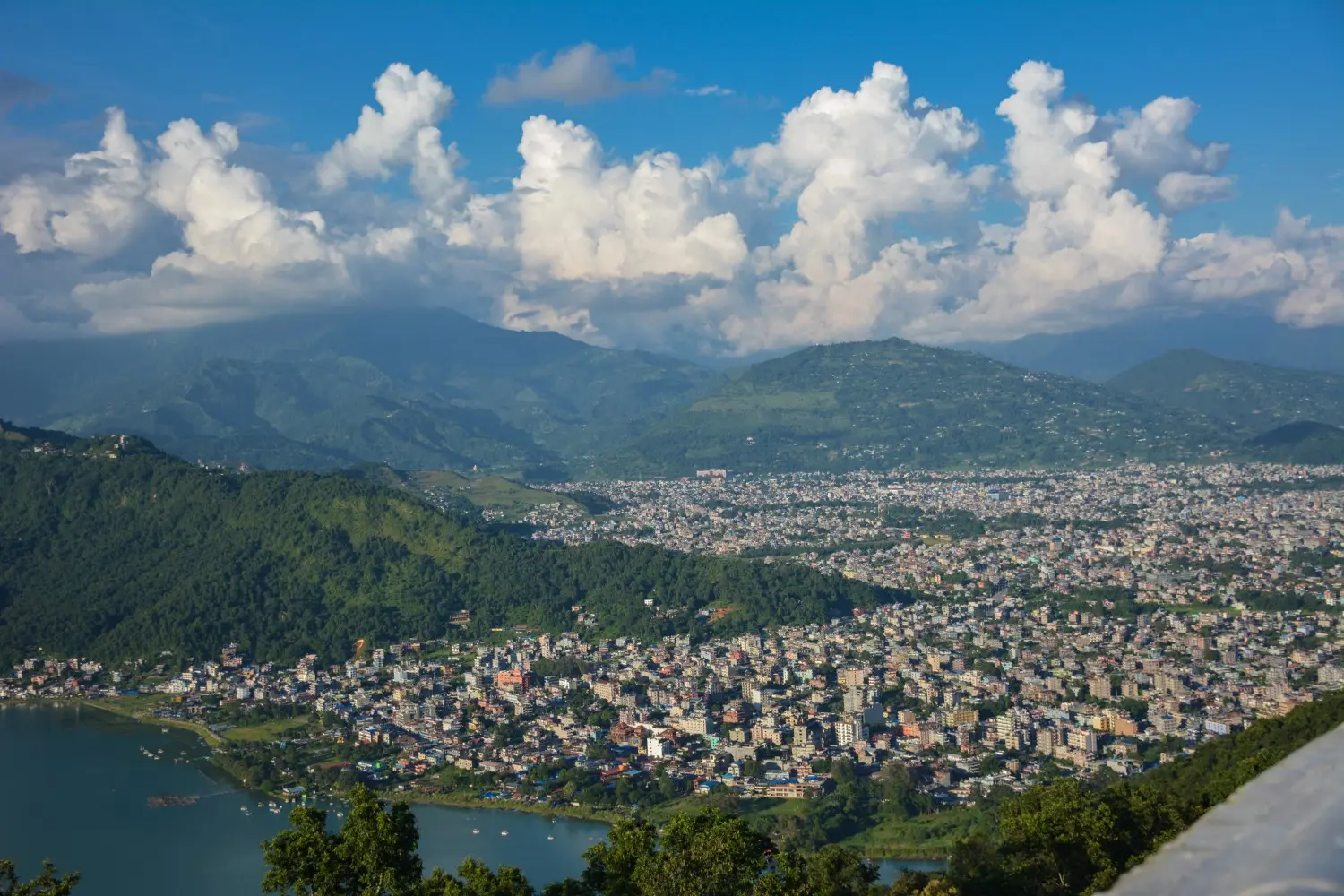
Most trekking destinations in Nepal sit at high altitudes. Pokhara does not. At around 800 meters above sea level, your body can finally relax, adjust, and actually begin to restore itself.
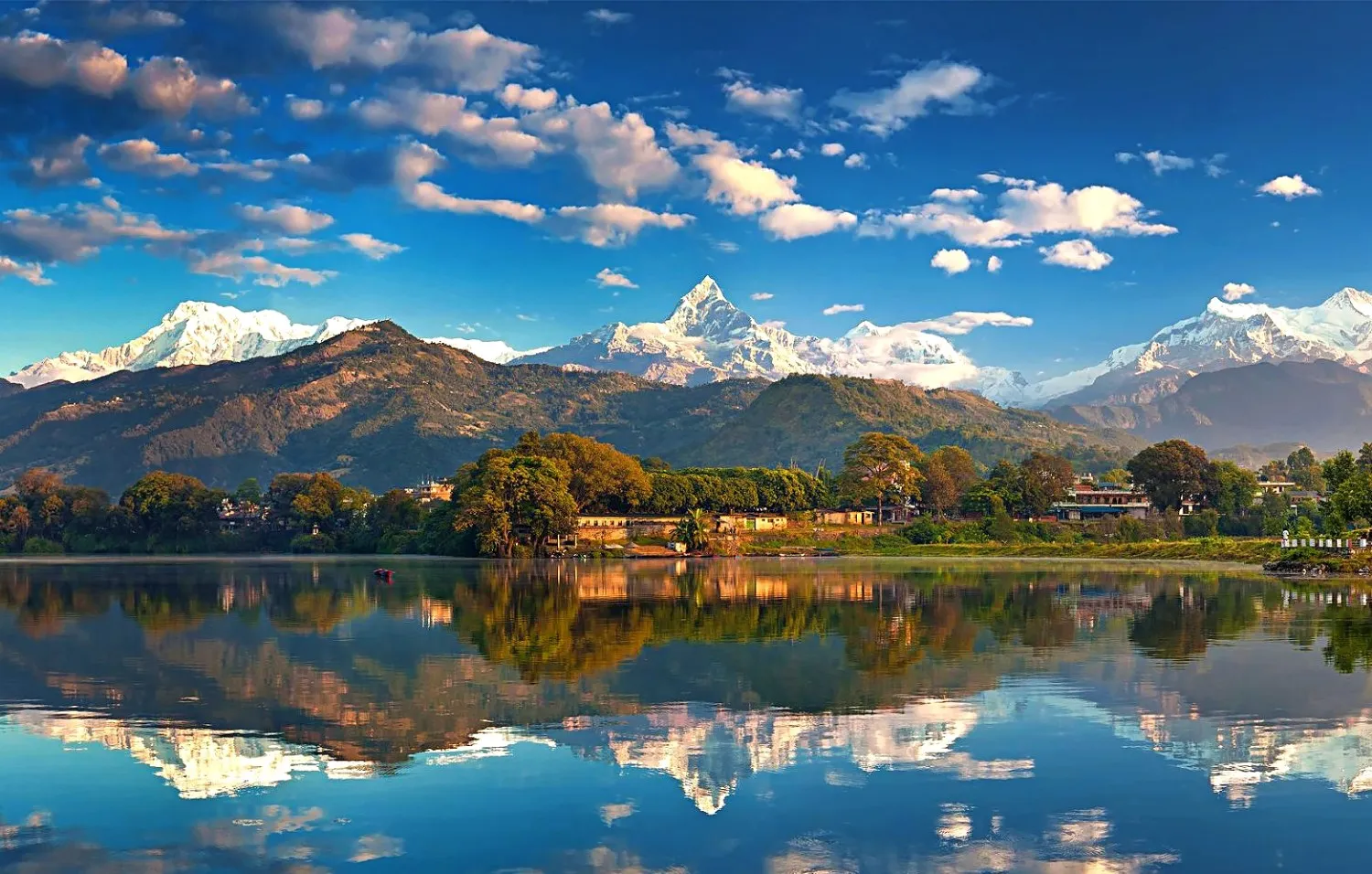
But altitude is just one part of it. The city acts slowly. The streets alongside Lakeside are flat and easy to stroll. Phewa Lake sits properly there, calm and huge, with the Annapurna range reflected on the surface on clean mornings. You get the mountain views without having to earn them.
There’s no rush here. Cafes stay open overdue. Restaurants serve the whole lot from dal bhat to wood-fired pizza. Massage parlors are on every corner. It’s an area that clearly slows you down; that is precisely what your body wishes after 10 or more days on the path.
Most of our Annapurna-region trekkers spend at least one or two extra nights in Pokhara because recovery feels easier here than almost anywhere else in Nepal.
Where to Stay in Pokhara
Pokhara’s Lakeside area is where most trekkers end up, and for good reason. Here’s a quick breakdown of the different areas:
| Area | Best For |
|---|---|
| North Lakeside | Quiet cafes, slower pace |
| Central Lakeside | Balanced location |
| South Lakeside | Restaurants, nightlife, shopping |
| Begnas Lake | total peace |
For budget-conscious vacationers, there are lots of easy guesthouses along Lakeside that might not cost much at all. Mid-variety resorts with comfortable beds, hot showers, and rooftop views are easy to find in Central and South Lakeside. If you want something extra hotel-style with a pool and spa facilities, the ones alternatives exist too, totally on the quieter northern side.
If you really need to disconnect after a long trek, Begnas Lake sits about 15 kilometers east of Pokhara. Fewer travelers, no noise, just water and hills.
What Actually Helps the Body Recover
After a long trek, your body needs more than just one good night of sleep. Here’s what actually makes a difference:
| Recovery Method | Why It Helps |
|---|---|
| Sleep | Restores muscles and energy |
| Hydration | Replenishes fluid loss |
| Gentle Walking | Reduces stiffness |
| Massage | Relieves muscle tension |
| Hot Springs | Helps tired legs relax |
Most trekkers underestimate how an awful lot fatigue consists of over after coming down. Swollen ankles, sore quads, and that heavy feeling in your legs can stick around for two or three days, even once you’re off the trail. Altitude fatigue provides any other layer, considering that your body has been running more difficult than standard simply to function at elevation.
Drink more water than you think you need. Eat the right meals. Sleep without an alarm. And in case your legs are absolutely beaten up, a one-hour massage in Pokhara costs relatively little compared to many international destinations and makes a substantive difference.
Jhinu Tatopani Hot Springs
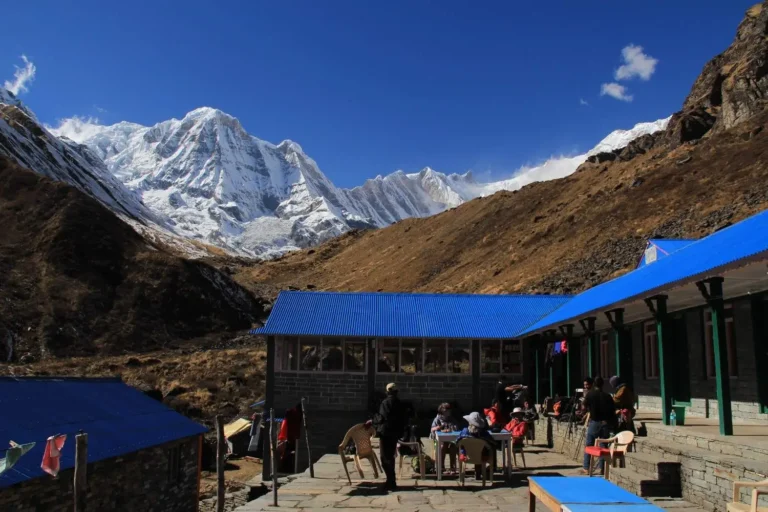
If you finished the Annapurna Base Camp Trek, the hot springs at Jhinu Danda sit right along the return route. A short stop here before reaching Pokhara is one of the best ways to ease tired legs naturally.
How to Spend Your Days Without Overdoing It
The temptation after a trek is to fill your recovery days with sightseeing. Try not to know. Here’s an easy 3-day plan that certainly lets your body relax:
- Day 1: Do Almost Nothing: Sleep in. Find a restaurant with a lake view and take a seat there longer than feels reasonable. Eat a hearty breakfast. Enjoy another filling meal at lunch. Your only job today is to relax and consume well.
- Day 2: Easy Exploration: A short boat trip on Phewa Lake is best at the moment. Gentle, no attempt required, and the views of the Annapurna range from the water are worth it. The International Mountaineering Museum is likewise an excellent choice if you need something low-key and thrilling indoors.
- Day 3: Light Adventure: If your legs are feeling tired, Sarangkot for sunrise or the World Peace Pagoda for a quick stroll are both potential options. If you’re feeling adventurous and want a bit of a thrill, paragliding over Pokhara is one of the most famous sports in Nepal and pretty clean on the frame.
Eating Your Way Back to Normal
After days of path meals and teahouse dal bhat, Pokhara’s food scene feels like a well-earned reward.
Start your mornings with sparkling espresso and bakery breakfasts. Numerous good bakeries alongside Lakeside do proper eggs, pastries, and brown bread that tastes nothing like the packaged things you survived on up to now.
By day, you’ll likely be craving something absolutely exceptional. Pokhara has strong pizza, Tibetan momos, Japanese sets, Israeli meals, and quite a wide range of worldwide cuisine you’d want after an extended trek. The range is, actually, correct for a city this size.
Don’t pass the nearby food booth. A right dal bhat at an awesome eating place, not a teahouse version, feels completely different while you’re sitting at an actual desk with time to enjoy it.
Eat more than you suspect you want. Your body has been running a calorie deficit for days, and it will thank you for it.
If You Didn’t Trek the Annapurna Region: Where to Rest Instead
Not every trek ends in Pokhara. If you came down from Everest, Langtang, or Gokyo, you’re likely back in Kathmandu. And that’s perfectly fine. Here’s where to recover based on where you finished.
Kathmandu: Best After Everest, Langtang, and Gokyo Treks
Kathmandu isn’t the most relaxing city in the world, but it has everything a tired trekker actually needs.
| Advantage | Why It Matters |
|---|---|
| Close to the airport | Easy departure planning |
| Cultural attractions | Good for a mental reset |
| Recovery facilities | Spas, hotels, and cafes are all within reach |
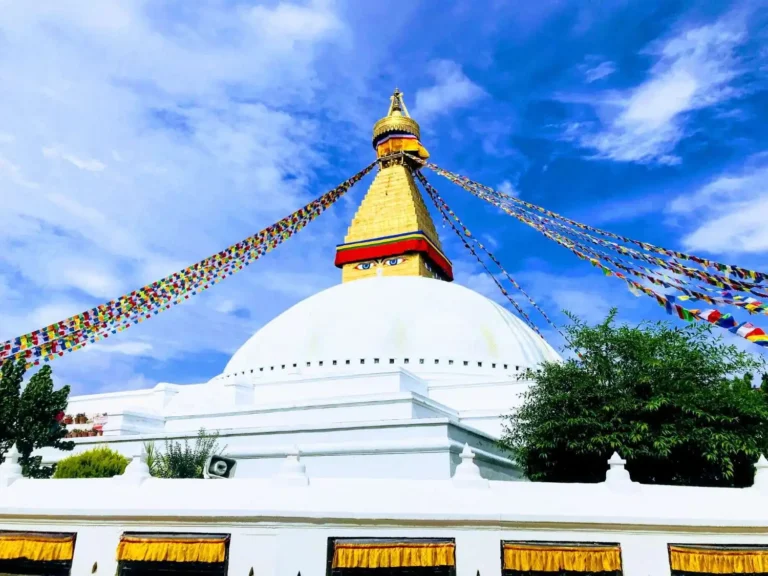
Thamel is where most trekkers stay, because it offers convenience with restaurants, gear stores, and rubdown centers. If the metropolis noise becomes too much, Boudhanath is only a quick experience away. The large stupa, the peaceful kora walk around it, and the quieter cafes nearby make it one of the most calming spots in Kathmandu. Garden of Dreams is another good alternative for a few hours of total stillness right in the center of the town.
Nagarkot or Dhulikhel: For Total Quiet
If Kathmandu feels too busy after your trek, Nagarkot and Dhulikhel are both easy escapes that sit down inside an hour or two from the town.
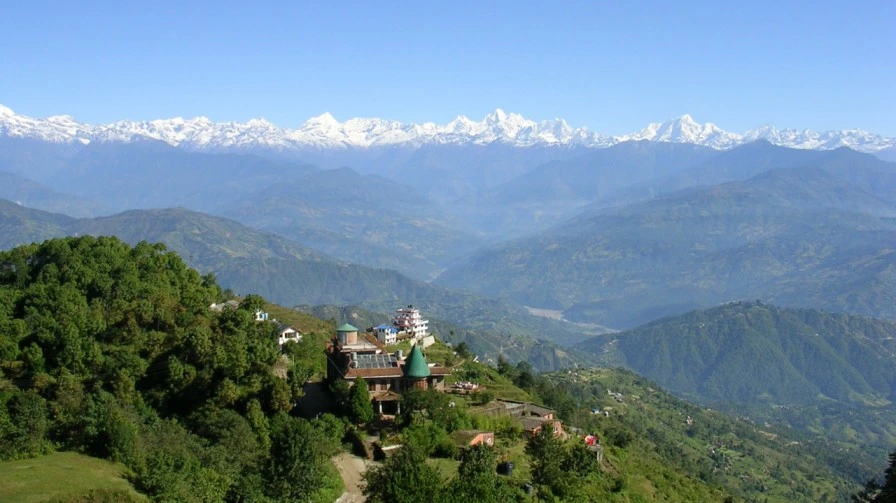
Nagarkot sits at around 2,100 meters and is thought to have some of the most spectacular Himalayan dawn views you could get without truly hiking. You wake up, step outside, and the mountains are simply there. No effort required. The place is quiet, the pace is sluggish, and there may be very little to do, which is exactly the point.
Dhulikhel is similar but barely decreases and is a chunk more spread out. Both places have comfortable guesthouses and small accommodations, which might be nicely suitable for a day or two of complete rest.
If you have the time and want to add a light pastime, the Nagarkot to Changunarayan hike is a smooth half-day stroll via villages and farmland with accurate perspectives throughout. It’s gentle enough to do even on worn-out legs without placing your recovery back.
Chitwan National Park: For a Complete Change of Scene
If you want to feel like you have left the mountains totally, Chitwan is the right call.
It’s flat, hot, and inexperienced in a manner that feels absolutely exceptional from something you’re skilled at on the path. Instead of ridgelines and stone paths, you are looking at tall grass, rivers, and jungle. It’s a real change in surroundings, and that alone can do lots for intellectual recuperation.
The activities here are smooth on the body. Canoe rides along the Rapti River, elephant watching, jungle walks with a manual, and village tours are all slow-paced and fun without requiring a great deal of physical effort. You’re staying active without putting additional strain on your body.
Chitwan additionally pairs properly with either Pokhara or Kathmandu. Many trekkers add one or three nights right here at the end of their Nepal trip before flying home, making it a natural very last part that feels nothing like the depth of the trek itself.
Best Wellness Experiences in Pokhara After Trekking
Recovery after a trek isn’t just about sleeping longer or eating bigger meals. Giving your body and mind a chance to recharge lets you feel refreshed earlier than persevering with your adventure or heading home. Pokhara offers a variety of wellness experiences that might be perfect for post-trek recovery, whether or not you want to ease sore muscle groups, improve flexibility, or, in reality, experience some quiet time by the lake.
Ayurvedic Massage and Traditional Therapies
A professional massage is one of the handiest methods to relieve muscle tension after days of being on foot on steep mountain trails. Many well-being centers in Pokhara provide Ayurvedic treatments that integrate herbal oils with conventional massage techniques designed to improve circulation and decrease stiffness.
Trekkers often select a full-body Ayurvedic massage to help tired legs recover more quickly. Some centers also offer steam therapy, herbal compress treatments, and healing foot massages that may be mainly helpful after long days on the trail.
Yoga Classes for Gentle Recovery
Yoga is an awesome option if your muscles feel tight after trekking. Several studios around Lakeside provide beginner-friendly instructions that focus on stretching, breathing exercises, and relaxation instead of extreme bodily exercise.
A gentle yoga session can improve flexibility, reduce pain, and help restore balance after spending days carrying a backpack in the mountains. Morning classes are especially popular, allowing trekkers to begin the day with light movement and lake views.
Spa Treatments for Complete Relaxation
For the ones seeking to completely unwind, Pokhara has several spas presenting treatments ranging from deep-tissue massages to body scrubs and aromatherapy sessions. A spa day can provide both physical and mental relief after the demands of high-altitude trekking.
Many hotels also offer well-being facilities such as saunas, steam rooms, and jacuzzis, giving trekkers a convenient way to relax without leaving their lodging.
Lakeside Meditation and Mindful Walks
The peaceful atmosphere around Phewa Lake makes it one of the most satisfactory places in Nepal for quiet reflection. Sitting by the water within the early morning or at some point of sunset provides an opportunity to slow down and reflect on the experiences of your trek.
Many travelers find that a short meditation session or a leisurely walk along the Lakeside walking path helps them transition from the intensity of the mountains back to everyday life. The calm environment creates a natural setting for rest without requiring any unique system or experience.
Sound Healing and Holistic Wellness Centers
Pokhara’s well-being scene has expanded in recent years, and several facilities now offer sound healing sessions, the use of singing bowls, gongs, and guided meditation techniques. These sessions aim to promote relaxation and reduce stress via soothing vibrations and calming sounds.
While reviews vary from person to person, many trekkers find sound healing as a gentle way to get better mentally after the physical challenges of a protracted trek. It may be a valuable addition to a broader health regimen that includes rest, hydration, and the right nutrients.
How Long Should You Actually Rest?
Most trekkers underestimate this. One night in a comfortable bed feels incredible, but it doesn’t mean your body is fully recovered. Here’s a rough guide based on trek length and intensity:
| Trek Type | Recommended Recovery |
|---|---|
| 3 to 5 Day Trek | 1 to 2 Days |
| 7 to 10 Day Trek | 2 to 3 Days |
| Annapurna Base Camp Trek | 3 to 4 Days |
| Everest Base Camp Trek | 4 to 5 Days |
| Long Circuit Treks | 5 to 7 Days |
The longer and more demanding the trek, the more time your body desires. Altitude fatigue especially takes longer to disappear than normal muscle soreness. You might feel exceptional on day one returned to the town, after which you hit a wall on day two. That’s absolutely ordinary.
Avoid jumping directly into every other extreme interest or a protracted journey right now after finishing. Give yourself at least one full buffer day earlier than any flights or long bus rides. Your body will maintain plenty higher for the rest of your experience if you do.
Frequently Asked Questions
What is the best place to rest after a trek in Nepal?
Pokhara is generally considered the best recovery destination for most trekkers, specifically the ones coming off Annapurna region treks. It has low altitude, flat terrain, a relaxed ecosystem, and plenty of accurate food and rubdown options. For Everest and Langtang trekkers, Kathmandu is an extra sensible destination. If you want to combine recovery with sightseeing, our guide to the Buddha’s Blessing Spiritual Tour covers Kathmandu, Pokhara, Chitwan, and Lumbini in one trip.
Is Pokhara or Kathmandu better after Everest Base Camp?
Kathmandu is the better alternative after Everest Base Camp. You’ll possibly fly back into Kathmandu from Lukla anyway, and the town has everything you need to recover. Traveling all the way to Pokhara after an already long adventure provides pointless time and effort.
How many days should I spend recovering in Pokhara?
For maximum Annapurna trekkers, three days is generally the minimum recommended recovery period. After an extended trek like Annapurna Base Camp or the Circuit, 3 to 4 days give your body enough time to properly rest before any onward journey.
Are there hot springs near Annapurna Base Camp?
Yes. Jhinu Tatopani Hot Springs are located along the descent route from Annapurna Base Camp, just above Chhomrong. Most trekkers stop here on the way back before reaching Pokhara. It’s one of the nicest herbal ways to ease sore muscles after the trek.
Is Lakeside Pokhara relaxing or touristy?
It’s both, however, in a way that works. Lakeside has cafes, restaurants, and shops geared toward travelers, but the pace is genuinely sluggish, and the lake setting continues to matter. North Lakeside is quieter in case you need to avoid the busier elements.
What should I avoid doing immediately after a trek?
Avoid long journey days, excessive physical activity, and heavy alcohol consumption right after finishing a trek. Your body is more susceptible than it feels in the first couple of days. Rest, hydration, and proper food have to come first.
Can I combine Pokhara with Chitwan National Park?
Yes, and it is a famous aggregate. Buses run without delay between Pokhara and Chitwan, and the adventure takes around four to five hours. Many vacationers spend some days in Pokhara after their trek and then head to Chitwan before flying home from Kathmandu.
Conclusion
After days of early starts, steep trails, and teahouse beds, you’ve earned a proper relaxation. Where you spend that time, topics greater than most humans plan for.
Pokhara is an exceptional universal location to recover after a trek in Nepal. The low altitude, the lakeside setting, the food, and the smooth tempo make it difficult to beat. If you finished an Annapurna place trek, live here longer than you watched you need to.
If you got here down from Everest, Langtang, or Gokyo, Kathmandu makes it feel more realistic. Use the town nicely. Boudhanath, Garden of Dreams, and an amazing spa day go on for an extended period.
And in case you want something absolutely exclusive before heading home, Begnas Lake, Nagarkot, and Chitwan each provide their own type of quiet that no busy Lakeside cafe can mirror.
Rest well. The mountains will nevertheless be there next time.