The Kali Gandaki Gorge is one of the most remarkable natural settings on the planet. It is considered one of the deepest canyons in the world, formed by an ancient river and surrounded by towering Himalayan peaks. For travelers, it is more than a geographical location at the bottom of a map. It is a place to wander from town to town, passing through a valley shaped by culture, tectonic forces, and time.
Spanning two of the tallest mountains in the world, the gorge offers a unique combination of spectacular scenery, cultural diversity, and remarkable vertical depth, along with accessible trekking paths. This guide explores the history and formation of the Kali Gandaki Gorge, its geology, natural features, local culture, and what visitors can expect when journeying through this breathtaking passage.
Location and Overview of Kali Gandaki Gorge
The Kali Gandaki Gorge is located in central Nepal, stretching north to south between the massive Himalayan mountains of Dhaulagiri in the west and Annapurna in the east. The gorge was carved by one of the region’s most important river systems, the Kali Gandaki River. Its location is distinctive, lying between two of the world’s highest peaks, Dhaulagiri (8,167 meters) and Annapurna I (8,091 meters).
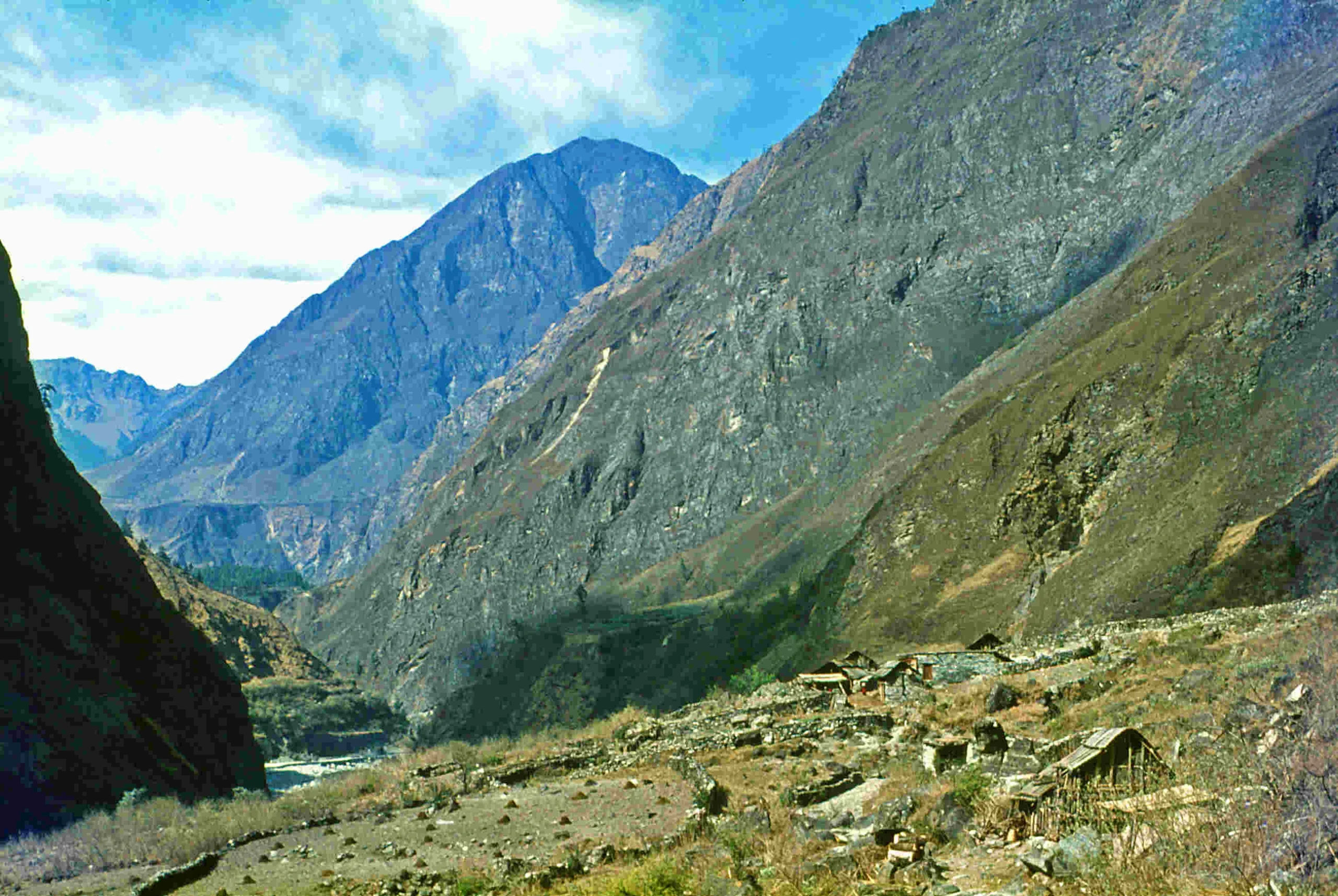
The gorge is famous for its huge vertical difference, as the river flows far below these towering mountains. The canyon passes through the green mid-hills of the south and the dry high desert of Mustang in the north. It is one of the most diverse and intriguing travel routes in the Himalayas, covering a range of climates, cultural sites, and trekking trails along the way.
Why Kali Gandaki Gorge Is Considered One of the Deepest Gorges
The Kali Gandaki Gorge is often called the deepest in the world based on the elevation difference between the riverbed and the nearby mountain peaks. The Annapurna and Dhaulagiri summits rise above 8,000 meters, while the Kali Gandaki River flows at around 2,500 meters in certain sections. This creates a vertical difference of more than 5,500 meters, making it one of the deepest gorges on Earth.
Unlike typical canyons, which are measured between the rim and the river, Himalayan gorges are evaluated by the difference between the peak and the river. This method captures the true scale of the surrounding landscape and explains why the Kali Gandaki Gorge is unparalleled. Visitors often experience an ever-growing sense of scale as the valley walls rise higher along the river path rather than as a single dramatic drop.
Geological Formation of the Kali Gandaki Gorge
The formation of the Kali Gandaki Gorge is closely tied to the geological history of the Himalayas.
An Ancient River Older Than the Mountains
The Kali Gandaki River existed before the Himalayas reached their full height. When the Indian Plate collided with the Eurasian Plate, the mountains slowly rose around the river. Over millions of years, the river cut its path through the rising landscape without changing course. This unusual geological process created a valley that passes directly through some of the world’s highest mountains.
Continuous Erosion and Uplift
Even today, the river continues to erode the landscape while tectonic uplift raises the mountains. Seasonal melting, monsoon rainfall, and glacier flows enhance the river’s erosive power, gradually deepening the canyon. This active process makes the Kali Gandaki Gorge an important site for geologists and researchers studying rivers and mountain formation.
Landscape and Natural Features Inside the Gorge
Traveling through the Kali Gandaki Gorge offers a constantly changing landscape shaped by wind patterns, altitude, and climate.
Dramatic Valley Walls
The steep valley walls drop sharply to the riverbed, creating a sense of enclosure in some areas and openness in others. The scale becomes especially striking on clear days when Annapurna and Dhaulagiri dominate the skyline.
Wind Corridor Effect
Strong daily winds are a notable feature of the gorge, particularly in the Jomsom region. These winds result from the pressure difference between the Tibetan Plateau and the lower valleys and are directed through narrow gaps. Visitors often experience calm mornings followed by powerful afternoon gusts. Over time, these winds have influenced the design of local buildings and traditional walking routes.
Changing Climate Zones
The terrain changes dramatically along the length of the gorge. In northern Mustang, the landscape is dry and elevated, with sparse vegetation shaped by strong winds and low precipitation. Moving south, the terrain gradually transitions to fertile land and forested hills. Trekking through the Kali Gandaki Gorge allows travelers to experience a variety of climates and landscapes within a single journey.
Cultural and Spiritual Significance of the Gorge
The Kali Gandaki Gorge is not only a natural wonder but also a region of deep religious and cultural importance.
Sacred Importance of the Kali Gandaki River
The Kali Gandaki River is especially sacred in Hinduism. One of its most famous features is the presence of ammonites, fossilized shells revered as manifestations of Lord Vishnu. The riverbanks are considered holy, and visitors may see locals performing rituals or paying respect at these stones.
Villages and Local Communities
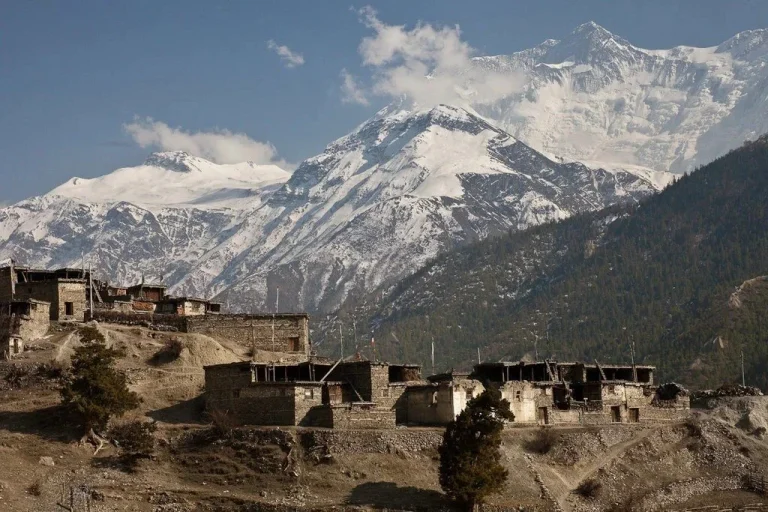
The Thakali people are one of the culturally diverse groups that inhabit the gorge. Known for their hospitality, traditional architecture, and unique cuisine, their villages—such as Marpha, Tukuche, and Jomsom—are notable stops for trekkers. Further north, Tibetan-influenced settlements, monasteries, and prayer flags reflect the region’s long history of trans-Himalayan trade and cultural exchange.
Kali Gandaki Gorge as a Trekking Destination
Major Trekking Routes Through the Gorge
Annapurna Circuit
The Annapurna Circuit is one of the world’s most popular long-distance hikes and a traditional route for exploring the Kali Gandaki Gorge. The trail follows the river valley, taking trekkers deep into the gorge with Annapurna and Dhaulagiri peaks surrounding them. The terrain, climate, and cultural experiences change gradually along the route before reaching the high Thorong La Pass.
Jomsom-Muktinath Trek
A shorter alternative is the Jomsom-Muktinath Trek, which leads to the sacred pilgrimage site of Muktinath. This route is suitable for travelers with limited time who still wish to experience the beauty and serenity of the gorge. The trek passes through windy mountains, historic villages, and ancient monasteries, offering both natural and cultural highlights. Its accessibility makes it popular with both pilgrims and trekkers.
Gateway to Upper Mustang
The Kali Gandaki Gorge serves as the gateway to the isolated and culturally pristine region of Upper Mustang. As travelers move north, the landscape shifts to a dry, trans-Himalayan environment shaped by centuries of isolation. Historically, pilgrims, traders, and locals followed this route to reach the high plateau. Today, it provides access to one of the most unique and limited travel regions in the Himalayas.
What Trekking Through the Gorge Feels Like
Trekking through the Kali Gandaki Gorge is an immersive experience. Unlike gorges that can only be viewed from above, here trekkers walk between villages, over suspension bridges, and along the river. The surrounding mountains are always in view, and the sense of depth grows continuously as the journey progresses.
Best Time to Visit Kali Gandaki Gorge
Spring (March to May)
Spring is one of the best times to visit the Kali Gandaki Gorge, with frequent clear skies and pleasant weather. Temperatures vary along the route, making trekking comfortable, especially at mid-elevations. Lower parts of the gorge are adorned with blooming rhododendron forests, while higher hills remain covered in snow, creating stunning contrasts along the trail.
Autumn (September to November)
Autumn is considered the most reliable and popular season for trekking in the gorge. Monsoon rains refresh the atmosphere, providing excellent visibility and clear views of the mountains. Trails are generally dry and safe, making walking easier. The stable weather and moderate temperatures also make this season ideal for hiking and photography.
Other Seasons (Winter and Monsoon)
Winter offers quieter trails and beautiful scenery, though temperatures are colder, especially in the upper parts of the gorge. With fewer hikers, the experience is more peaceful and immersive. During the monsoon, heavy rains can make lower trails muddy and slippery. However, places like Mustang remain relatively dry due to the rain-shadow effect, resulting in fewer visitors.
Also read: Nepal is Back to Normal: Why 2025 Is the Best Time to Visit
Wildlife and Biodiversity in the Kali Gandaki Region
The steep elevation changes make the Kali Gandaki Gorge a diverse habitat, supporting a wide range of flora and fauna from the river valleys to high alpine regions.
Flora
Vegetation varies with altitude, forming distinct ecological zones. Lower regions feature pine forests, terraced fields, and cultivated crops, while higher altitudes are home to resilient alpine plants and grasses. Seasonal changes enhance the scenery, with golden fields in autumn and blooming rhododendrons in spring. This wide variety of plant life adds to the gorge’s natural beauty.
Fauna
The region hosts many bird species, including those adapted to high-altitude climates. Smaller mammals and Himalayan game are abundant, while larger mammals are rare and seldom seen. The protected status of the area ensures the survival of these species, making it an appealing destination for wildlife enthusiasts and nature lovers.
Practical Travel Information
Permits
Some areas of the gorge, such as the Annapurna Conservation Area, require trekking permits. These permits help manage visitor numbers and support local communities and conservation efforts. Trekkers should check the requirements of their chosen route before starting their journey.
Accommodation
Hotels and teahouses are available along popular trekking routes, offering meals, hot drinks, and simple lodging. Accommodation ranges from more comfortable teahouses in larger villages to basic cabins in remote areas. Staying in local communities also allows travelers to interact with residents and experience local hospitality firsthand.
Fitness and Altitude
Trekking in the Kali Gandaki Gorge requires physical stamina. The trails do not involve technical climbing, but trekkers must be prepared for rugged terrain, altitude changes, and long days of walking. Awareness of altitude sickness and proper acclimatization is important in the upper sections of the gorge.
Responsible Travel
Visitors are expected to respect local traditions, religions, and the natural environment. Littering, damaging holy sites, or disturbing wildlife is prohibited. Responsible tourism helps preserve the ecological and cultural heritage of the Kali Gandaki Gorge for future generations.
Why Kali Gandaki Gorge Stands Out
The Kali Gandaki Gorge is not only one of the deepest in the world but also unique in its combination of natural and cultural features. It is one of the few places where travelers can hike along a river carved over millions of years, walk through a valley framed by two 8,000-meter peaks, and engage with vibrant villages along the way. The gorge offers an extraordinary blend of geological wonders, cultural heritage, and human history, unlike many other deep or remote gorges.
Experiencing the Depth of Kali Gandaki Gorge
The gorge is impressive not only in scale but also in its cultural and spiritual significance. Walking along the river, passing old villages, and visiting sacred sites provides a firsthand experience of how the forces of nature have shaped the land over millennia. The journey through the Kali Gandaki Gorge is a living experience, where the majesty of the Himalayas intersects with centuries of human presence, leaving visitors with a profound sense of connection to both nature and society.
FAQs
1. Can The Kali Gandaki Gorge Be Explored By Vehicle?
Although certain sections of the gorge, especially around Jomsom and along major roads, can be reached by jeep or bus, much of the more dramatic area is best explored on foot. Trekking allows travelers to fully experience the vertical relief, river scenery, and village life, which cannot be appreciated from a vehicle.
2. Are There Any Safety Concerns While Trekking The Gorge?
The main challenges include strong winds, uneven trails, and elevation changes. Trekkers should be prepared with proper footwear, suitable clothing, and an understanding of altitude sickness. No technical climbing skills are required, but first-time visitors are encouraged to trek with a local guide.
3. How Long Does It Take To Trek Through The Kali Gandaki Gorge?
The time required depends on the route chosen. Shorter hikes, such as Jomsom to Muktinath, usually take four to six days. Sections of the Annapurna Circuit that pass through the gorge may take seven to ten days. The schedule can be extended with rest days and acclimatization.
4. What Cultural Experiences Can Travelers Expect In The Gorge?
Depending on the season, trekkers encounter Thakali villages, Buddhist monasteries, and traditional festivals. Visitors can observe local housing, sample traditional food, and take part in local rituals, including offerings at sacred river sites, which create a meaningful cultural experience.
5. Is Camping Allowed In The Kali Gandaki Gorge?
Camping is allowed in certain areas, although most trekkers stay in teahouse accommodations. Campers must follow conservation rules and avoid disturbing local communities and wildlife. Proper permits may be required in some protected areas.
6. Are There Any Notable Photography Spots Along The Gorge?
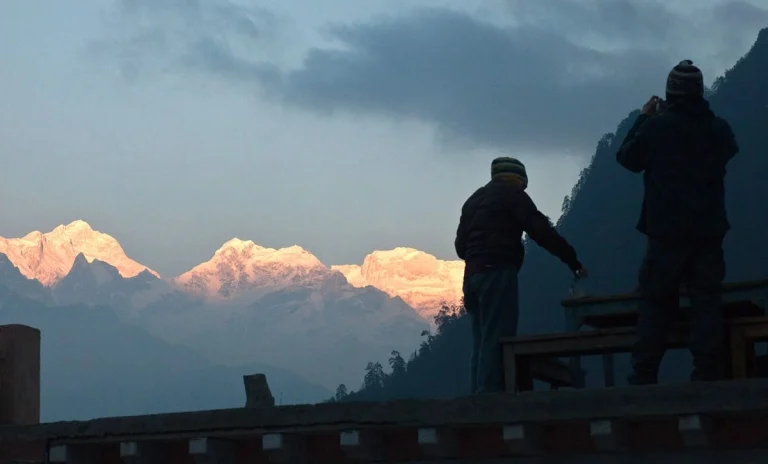
Yes, there are several well-known photography locations, including the river bend near Marpha, the cliffside village of Tukuche, and the wide valley around Jomsom. Sunrise and sunset offer dramatic lighting on the surrounding mountains, making these times ideal for photography.
7. Can Beginners Attempt Trekking In The Kali Gandaki Gorge?
Yes, beginners can trek in the gorge, especially on shorter routes such as Jomsom to Muktinath. Basic preparation is important. Trekkers should maintain a reasonable level of fitness, understand the effects of altitude, and consider hiring a guide for safety and a better overall experience.