Most people planning for the Everest Base Camp trek assume the adventure starts with a flight to Lukla. And for years, that was the most effective, realistic alternative. But things have changed.
Road access to the lower Everest region has increased significantly during the last decade. Today, an increasing number of trekkers are driving into the Solukhumbu location in place of flying, and many of them are glad they chose that decision.
The purpose is simple. Lukla flights are notorious for delays and cancellations, specially at some stage in top hiking seasons. A single weather event can ground flights for 2 or 3 days, disrupting carefully planned itineraries. For trekkers on tight schedules, that type of uncertainty is disturbing.
The road route removes that strain completely. It takes longer, yes. But it additionally opens up a quieter, less-traveled aspect of the Everest region that most trekkers never see.
What Is the Everest Base Camp Trek by Road?
The Everest Base Camp trek by means of road is precisely what it seems like. Instead of flying from Kathmandu to Lukla, trekkers travel by jeep or bus into the decrease Everest region and start the trek from a roadhead instead of going down the path.
Over the past decade, road construction in Nepal has driven deeper into areas that were previously accessible only on foot. The Solu place, which sits at a lower elevation below the Khumbu, now has drivable roads connecting settlements such as Salleri and Thamdanda. From these factors, trekkers join the trail and walk up through conventional Sherpa villages towards Namche Bazaar and ultimately Everest Base Camp.
This course follows the older, pre-airstrip course that trekkers and traders used before Tenzing-Hillary Airport opened in Lukla. So in a way, the road route is honestly the greater traditional technique.
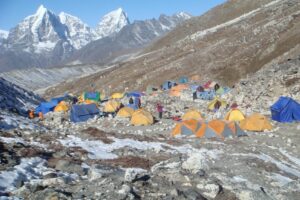
How Do You Reach Everest Base Camp Without Flying to Lukla?
The road journey from Kathmandu to the Everest vicinity is lengthy but sincere. Here is the way it works.
The Road Route to the Everest Region
Most trekkers drive from Kathmandu to either Salleri or Thamdanda, depending on their itinerary and the condition of the road at the time of the tour.
- Kathmandu to Salleri takes about eight to ten hours via jeep. Salleri is the district headquarters of Solukhumbu and a well-set-up stop for trekkers taking the road route. The street is mainly paved closer to Kathmandu, however gets rougher as you go further into the hills.
- Kathmandu to Thamdanda is a slightly longer hike and places you in the direction of the beginning of the hiking trail. Some trekkers prefer this option because it cuts a break from the walking element.
Road situations can range relying at the season. Monsoon rains from June and September can make sure sections tough or temporarily impassable.
Where the Trek Actually Begins
Once trekkers reach the roadhead, they begin strolling towards the conventional EBC course. From Salleri, the path passes via villages like Phaplu, Ringmo, Nuntala, and Kari La before connecting with the principal path close to Phakding or Namche Bazaar.
This lower segment provides more or less 4 to 6 more trekking days compared to the Lukla flight route. But those extra days pass through some clearly stunning and uncrowded terrain that most EBC trekkers completely miss.
You can take a look at the Nepal Outdoor Expeditions EBC packages to see which starting points one-of-a-kind itineraries use.
Why Are More Trekkers Choosing the Road Route?
The shift toward the road route is not a trend driven by one single reason. Several factors are pushing more trekkers away from the Lukla flight and toward the road.
Lukla Flight Cancellations Are a Real Problem
Tenzing-Hillary Airport in Lukla sits at 2,860 meters and operates under strict weather conditions. Fog, wind, and poor visibility can ground all flights for hours or even days. During the height seasons in April, May, and October, this creates a backlog of stranded trekkers waiting for a seat on the next available flight.
The avenue course eliminates this variable. Once you’re inside the jeep and using it, climate no longer prevents you from traveling the same way it grounds a plane.
Budget Travelers Prefer It
A Lukla flight from Kathmandu costs anywhere between $180 to $250 in line with character for a spherical experience, and costs spike further throughout the height season. The road journey charges a fragment of that. For budget-aware trekkers, financial savings matter, particularly when mixed with the extra accommodation and food charges of a longer trip.
The Solu Region Offers Something Different
The decrease in Solu trails passes through villages that see only a few overseas trekkers. Local culture, traditional farming life, and dense rhododendron forests outline this stretch. Many skilled trekkers who have already carried out the conventional EBC path pick out the street method on their second ride, especially as it feels more proper and much less crowded.
Gradual Acclimatization Is a Bonus
Starting with a decrease and taking walks up slowly gives the body more time to adjust to altitude. This can, without a doubt, lessen the chance of altitude sickness in comparison to flying without delay to Lukla at 2,860 meters. If you need to recognize altitude risks better, the Nepal Outdoor Expeditions altitude sickness guide is really worth studying earlier than you finalize your direction.
Everest Base Camp Trek by Road vs Flying to Lukla
| Factor | Road Route | Lukla Flight |
| Cost | Lower | Higher |
| Travel Time | Longer | Faster |
| Flexibility | Higher | Lower |
| Comfort | Lower | Higher |
| Crowds | Fewer | More |
| Acclimatization | More gradual | Faster gain |
| Flight Risk | None | High in peak season |
- Travel Time: The road route provides roughly 4 to 6 more trekking days, plus one lengthy riding day. The Lukla flight takes approximately half an hour from Kathmandu, but waiting time, delays, and airport chaos can stretch that into a full day or more.
- Cost: Flying to Lukla and back costs appreciably more than a jeep experience to Salleri or Thamdanda. If you are already spending on lets in, lodging, and a manual, cutting the flight fee can loosen up a significant part of your finances.
- Trekking Experience: The avenue direction gives you more path time, more village interactions, and a slower build into the mountains. The Lukla course drops you right into the busy Khumbu path, which acts fast; however, it skips the quieter lower vicinity completely.
- Convenience: Flying to Lukla is really faster and less difficult if your time is constrained. The avenue journey needs persistence, specifically on rough sections toward the roadhead.
Neither option is objectively better. The right choice depends entirely on what kind of trekker you are and what you want from the experience. If you are still deciding on the full itinerary, browsing the Everest region trek packages at Nepal Outdoor Expeditions can help you compare options side by side.
How Much Longer Is the Road Route?
This is one of the first sensible questions trekkers ask, and the answer depends on where you start the trek from.
Extra Driving Days: The pressure from Kathmandu to Salleri or Thamdanda takes one full day, roughly eight to ten hours, depending on street conditions and forestalls. Some trekkers smash this into 2 days if they want an extra cushty adventure or if road situations are rough.
Extra Trekking Days: Starting from Salleri adds about 4 to 6 more trekking days compared to starting from Lukla. The exact variety depends on your pace, relaxation days, and which path variation you are taking through the Solu region.
| Route | Approximate Total Duration |
| Classic EBC via Lukla flight | 14 to 16 days |
| EBC via Road (from Salleri) | 18 to 22 days |
Why This Matters for Planning
Those days aren’t wasted days. They add acclimatization time, cultural exposure, and a much quieter hiking experience through the Solu area. But they do require you to plot extra excursion time and finances for extra nights of accommodation and food on the trail.
If you are running with a good schedule, the road path won’t be in shape. But if you have 3 weeks or extra, the longer itinerary clearly makes the general trek feel less rushed than the traditional 14-day version.
Before you finalize your plan, make sure your permits are looked after nicely in advance. The Nepal trekking permit guide at Nepal Outdoor Expeditions breaks down precisely what you want for the Everest area.
Is the Everest Base Camp Trek by Road Cheaper?
The short solution is yes, but the complete photograph is a bit more nuanced than just saving the flight price ticket.
Where You Save Money
The biggest saving comes from skipping the Lukla flight. A round-trip flight between Kathmandu and Lukla usually charges among $200 and $250+in step with individual at some point of the normal season. During the height season in April, May, and October, prices can climb even higher due to demand.
The jeep journey from Kathmandu to Salleri or Thamdanda costs a fraction of that, usually among $20 to $40 per person, depending on whether you are taking a shared or private car.
That is a saving of roughly $150 to $200 per person on delivery by myself.
Where You Spend More
The avenue course adds 4 to 6 extra hiking days. Each day on the path comes with fees for accommodation, meals, and manual or porter fees. On average, trekkers spend round $30 to $50 consistent with day at the path overlaying these basics.
So the extra days can add $120 to $300 in your usual ride cost, depending on your pace and spending habits.
The Overall Value
When you balance the flight financial savings against the extra travel days, most trekkers on the road course come to spend more or less the same or barely much less than individuals who fly to Lukla. The distinction is that road route trekkers get more trail time, more cultural revel in, and a slower journey for a similar budget.
For budget tourists who are flexible with time, the road route actually gives a better average cost. For trekkers who need to minimize general spending within the shortest time feasible, flying to Lukla nevertheless edges out in advance on pure cost efficiency.
Also, ensure you account for equipment expenses earlier than you leave. The Nepal Outdoor Expeditions packing list for trekking covers the whole lot you need, so you are not shopping for or renting tools at the ultimate minute.
What Is the Trekking Experience Like on the Road Route?
Trekkers who select the road course often say the same component after they end: the lower Solu phase becomes the element they no longer expect to like as much as they did.
The Solu Region Feels Like a Different World
The path from Salleri passes through villages like Phaplu, Ringmo, Junbesi, and Nuntala. These are quiet, traditional Sherpa settlements where everyday existence moves at a very special tempo in comparison to the busy motels and teahouses of the top Khumbu.
You will walk through terraced farmland, go over suspension bridges over speeding rivers, and bypass dense rhododendron and pine forests. In spring, the rhododendrons bloom in full color, and the decrease trails feel definitely alive in a manner that the higher, greater barren stretches above Namche do not.
Far Fewer Crowds
The Lukla course from Phakding to Namche Bazaar sees lots of trekkers every season. The Solu trails see a tiny fraction of those visitors. If you value quiet mornings at the trail and teahouses wherein you can without a doubt have a conversation with the owner, the road route provides that continuously.
Gradual Altitude Gain Keeps You Comfortable
Starting at a lower elevation and gaining height slowly over more days approach your frame adjusts extra clearly. Many trekkers on the street route feel stronger and more comfortable by the time they arrive at Namche Bazaar compared to folks who flew at once to Lukla.
What Surprises Trekkers Most
Most trekkers anticipate that the more days, to feel like a chore. What they absolutely discover is that the Solu segment becomes one of their favorite elements of the complete trek. The slower pace, the emptier trails, and the real nearby interactions make it seem less like a tick-container journey and more like actual travel.
Who Should Choose the Everest Base Camp Trek by Road?
The avenue path is not for anybody, but for the right kind of trekker; it is really the better option. Here is the way to recognize if it suits you.
Budget Travelers
If maintaining charges down is a concern, the street route makes sense. You pass the most high-priced single shipping value of the whole trip and update it with a jeep ride that costs a fraction of the price. The extra trail days do add a few costs; however, the standard value is difficult to overcome.
Trekkers with Flexible Schedules
The road path asks for more time, more or less 18 to 22 days for the overall EBC itinerary. If you may take 3 weeks off and no longer have a hard go back cut-off date, this direction gives you a far richer experience without the stress of racing through the path.
People Worried About Lukla Flight Delays
If the idea of sitting in Kathmandu or Lukla for 2 or 3 days, looking forward to a climate window, definitely stresses you out, the street route eliminates that trouble absolutely. You force in, you start strolling, and your itinerary stays on the right track.
First-Time High Altitude Trekkers
The gradual altitude benefit on the road direction is an actual advantage for people who have never trekked at high elevation earlier than. More acclimatization days within the decrease Solu area method, your body has a higher threat of fixing earlier than you hit the critical altitude above Namche Bazaar.
Trekkers Who Want Something More Authentic
If you have already performed the traditional EBC path through Lukla and want a fresh experience, the road path gives exactly that. The decrease Solu trails experience is absolutely one-of-a-kind from the busy Khumbu corridor, and lots of repeat trekkers say it’s miles the version they desire that they had performed first.
Quick Decision Guide:
- You have 3 or more weeks available? Choose the road route.
- Lukla flight cancellations make you nervous? Choose the road route.
- This is your first high-altitude trek? Choose the road route.
- Are you on a tight budget? Choose the road route.
- You want fewer crowds and more culture? Choose the road route.
Common Challenges of the Road Route
The avenue direction has proper advantages, but it additionally comes with real challenges that trekkers need to realize about earlier than committing to it.
Long Driving Days
The power from Kathmandu to Salleri or Thamdanda takes 8 to 10 hours on roads that aren’t constantly clean. For many trekkers, arriving at the trailhead already worn out and stiff from a jeep ride isn’t always the best way to start a stressful multi-week trek. Breaking the force into days helps, but it adds any other nighttime to an already lengthy itinerary.
Rough Road Sections
The closer you get to the roadhead, the rougher the street gets. Paved sections deliver a way to gravel and dust tracks that can be punishing on a completely loaded jeep. Dust in the dry season and dust in the wet season are each unavoidable on positive stretches. Trekkers who are at risk of motion sickness need to come organized with a remedy.
Increased Overall Trip Duration
Three weeks is a huge time commitment. Not every trekker can set up that much time away from work or family. The avenue path demands flexibility that the Lukla flight really does not require, and for some human beings, that flexibility is just not to be had, no matter how attractive the route sounds.
Weather Impact on Roads
Unlike flight delays, which can normally be restricted to Kathmandu and Lukla airports, avenue disruptions can show up everywhere along a 200-plus-kilometer path. A landslide or washed-out section can mean waiting hours or maybe a full day for the street to be cleaned. This form of delay is rare, however, no longer unheard of, especially in early autumn, while the tail end of the monsoon nonetheless brings occasional heavy rain.
Why Trekkers Still Consider It Worthwhile
Despite these challenges, most trekkers who walked the road direction say they could select it again. The alternate sense attainable once you are on the trail and experiencing the quieter, more gradual journey into the Everest location. The tough jeep ride fades from reminiscence fast. The Solu villages and empty trails are no longer.
As one skilled trekker positioned it, the street direction asks more of you in advance but gives more again over the course of the whole adventure.
FAQs
Can you reach Everest Base Camp without flying to Lukla?
Yes, in reality. Trekkers power from Kathmandu to a roadhead in the Solu Khumbu, typically Salleri or Thamdanda, and begin the trek from there. The path connects to the traditional EBC route close to Phakding or Namche Bazaar, and the rest of the journey follows the same old path to Base Camp.
How long does the road route take?
The full EBC itinerary through the street route takes around 18 to 22 days, consisting of the drive from Kathmandu. The traditional Lukla flight route takes 14 to 16 days. The extra days come from one lengthy riding day and 4 to 6 extra hiking days through the lower Solu place.
Is the road route cheaper than flying to Lukla?
In most instances, yes. Skipping the Lukla flight saves $180 to $250, according to a person on delivery. The more path days do add lodging and meal expenses, but generally, maximum trekkers on the street spend more or less the same or slightly more than folks who fly.
Is the road route safer than flying to Lukla?
Both alternatives deliver their personal dangers. Lukla is one of the world’s toughest airports, and flight cancellations are common. The avenue course avoids flight hazard, however introduces long drives on hard mountain roads wherein landslides are viable at some stage in monsoon season. Neither option is risky when approached with rthe ight planning and a reliable operator.
Where does the trek actually start on the road route?
The trek usually begins from Salleri or Thamdanda after the force from Kathmandu. From Salleri, the path passes via Phaplu, Ringmo, Junbesi, and Nuntala before becoming a member of the principal EBC path close to Phakding or Namche Bazaar.
Is Salleri or Thamdanda the better starting point?
Salleri is the greater commonplace place to begin and has better centers. Thamdanda sits in the direction of the trail and cuts a day without work, the walking phase, but it has fewer amenities. Your choice depends on how a good deal trekking you need to do as opposed to how an awful lot using you can manage.
What is the best season for the road route?
Spring (March to May) and autumn (September to November) are excellent seasons. Spring gives rhododendron blooms in the lower trails and solid weather. Autumn brings clear skies and splendid mountain visibility after the monsoon clears. Avoid the monsoon season from June to August, as weather conditions can become unpredictable.
Are the roads to Salleri fully paved?
Not entirely. Roads toward Kathmandu are more often than not paved, but sections toward Salleri and Thamdanda are gravel or dirt tracks. Road conditions continue to improve gradually, although rough sections remain.
Is the road route suitable for beginners?
Yes, and in a few ways it’s far more truly higher for novices than the Lukla flight course. The sluggish altitude gain through the decrease Solu area gives first-time excessive altitude trekkers extra time to acclimatize before reaching the serious elevations above Namche Bazaar. The path problem at the lower segment is likewise more manageable than the steep climb from Lukla.