The Langtang Gosaikunda Trek is one of the least crowded treks that provides the Himalayan adventure, which gives you authentic snow-capped mountain views, a rich cultural experience, dense rhododendron forests, and the sense of remoteness of Nepal’s least explored places. If you have been wanting to explore Nepal without much of a crowd, like in Everest Base Camp and Annapurna Base Camp, the Langtang Gosaikunda Trek might be the right answer for you.
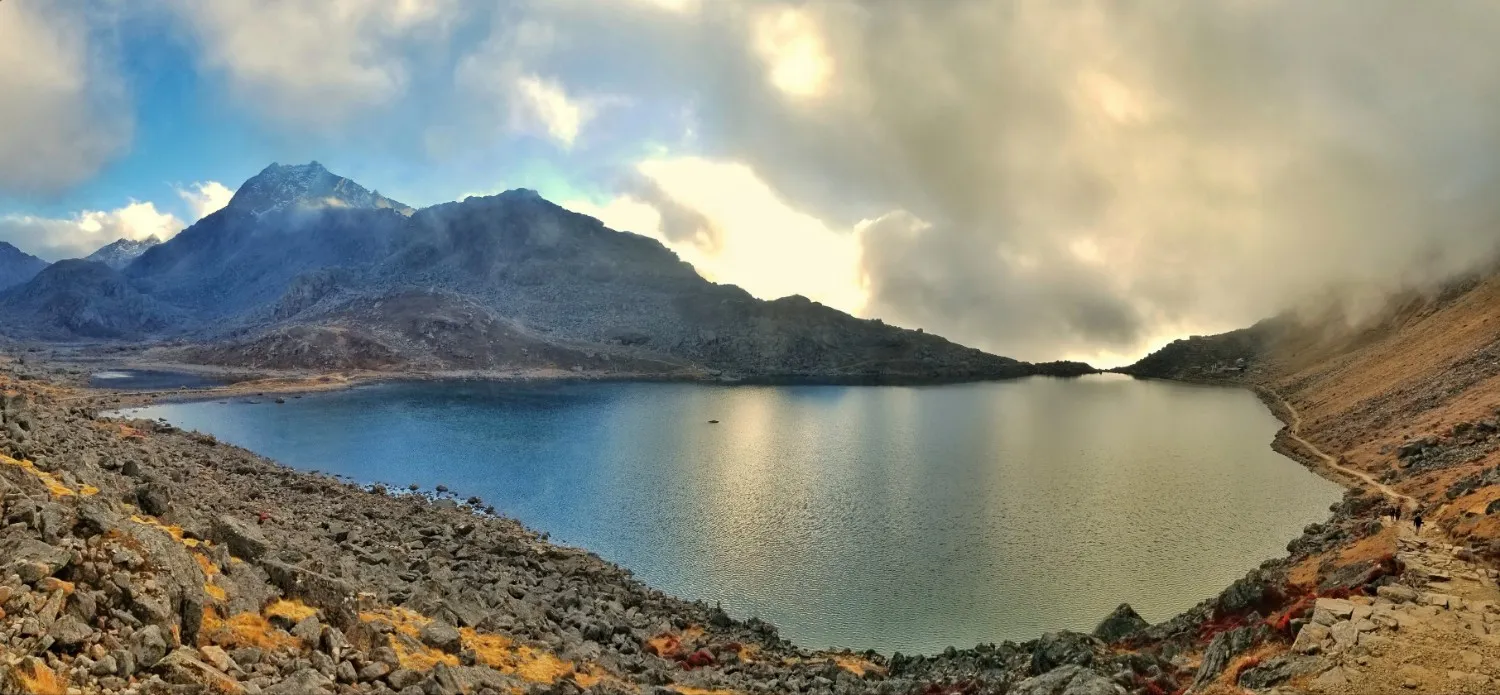
It is not the place that many trekkers explore because of its remoteness. This trek is located in the northern part of Nepal, which you can access in a few hours’ drive from Kathmandu. It is rather one of those treks that are rare and deeply adventurous at the same time. Similarly, the Langtang Gosainkunda trek is a combination of Langtang Valley and Gosainkunda. Langtang Valley is, in this sense, also called the “Valley of Glaciers,” and likewise, Gosaikunda is also known as the cluster of glacial lakes, which is at an elevation of over 4,380 m. One of the facts is that it is considered sacred by both Hindu and Buddhist religions.
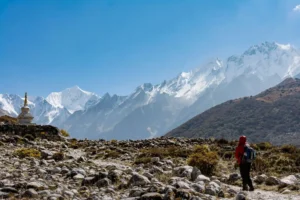
What sets this trek apart is the variety that is offered. On any given day, you might find yourself walking through a Tamang village with prayer flags waving in the mountain wind and then suddenly find yourself on a ridge with spectacular views of Langtang Lirung, Ganesh Himal, and, on a clear day, even the faint outline of Manaslu in the distance. The landscapes are constantly changing, and this is what helps keep the trek interesting and exciting.
Let’s get into it.
Quick Facts
- Location: Langtang National Park, north of Kathmandu, Nepal
- Trek Difficulty: Moderate to Challenging
- Trek Duration: 10 to 14 days
- Maximum Elevation: 5,033 meters at Tserko Ri (optional side trip), with Laurebina La pass at 4,610 meters being the highest point on the main route.
- Total Distance: 110-130 km approximately
- Major Attractions: Sacred alpine lakes at Gosaikundam, Diverse flora and fauna inside Langtang National Park, traditional Tamang villages, and rich Himalayan culture, spiritual significance, especially during the Janai Purnima festival
Major Highlights of Langtang Gosaikunda Trek
There are many highlights of the Langtang Gosainkunda trek, and if you ask trekkers who have done this trek, each trekker’s answer might be different in terms of highlights. It is all because of the beauty of this place that holds a special place in the heart of each trekker. Some trekkers might love the view of Gosaikunda Lake, while others might keep on praising Kyanjin Ri, and some might just love the solitude and the peaceful environment and the peace of mind they gain during the trek. However, here are some of the highlights of this trek you should know before joining the trek and seeing them by yourself.
- Stunning views of Langtang Lirung, Ganesh Himal, and other major Himalayan peaks
- The sacred Gosaikunda Lake, at 4,380 meters, is holy to both Hindus and Buddhists
- A chance to explore the rich Tamang culture, ancient monasteries, and traditional villages
- Beautiful rhododendron forests that come alive with color, especially in spring
- Wildlife spotting inside Langtang National Park, including red pandas and Himalayan tahr
- A side trip to Kyanjin Ri or Tserko Ri for some of the best panoramic views on the entire route
- The charming cheese factory at Sing Gompa, where you can try freshly made yak cheese
- Relatively fewer crowds compared to the Everest and Annapurna regions
- A rewarding high mountain pass crossing at Laurebina La (4,610 m)
As of the mid 2020s, Langtang and Gosaikunda are becoming more popular, but they still see far fewer trekkers than Everest or Annapurna. During peak weeks in October and April, teahouses at Kyanjin Gompa and near Gosaikunda can fill up, but for most of the season, the trail stays noticeably quieter than the big two.
Best Time to Do Langtang Gosaikunda Trek
Choosing the right season is one of the most important parts of planning this trek. Good timing brings clear skies, better trail conditions, and excellent mountain views, while poor timing can make the journey more difficult. Spring and autumn remain the best trekking seasons in the Langtang region.
- Spring (March to May): Spring offers blooming rhododendron forests, warmer temperatures, and longer trekking days. Clear mornings often provide excellent mountain views, while red, pink, and white rhododendrons add color to the trail, creating one of the most scenic trekking periods in Nepal.
- Autumn (September to November): Autumn is Nepal’s peak trekking season. After the monsoon ends, the weather becomes stable, visibility improves, and the air feels fresh. October and November usually provide the clearest mountain views, although trails tend to be busier during this period.
- Winter and Monsoon: Winter (December–February) and monsoon (June–August) bring additional challenges. Winter often covers higher sections such as Laurebina La and Gosaikunda with heavy snow, making the route more demanding. During the monsoon, rainfall, leeches, and cloud cover reduce trail conditions and visibility. However, August offers the opportunity to witness the Janai Purnima festival, when Hindu pilgrims travel to Gosaikunda despite the rainy season.
Weather patterns have grown less predictable in recent years, even in spring and autumn. Late May and early September can bring more rain and humidity than the “classic” season would suggest, so it’s worth checking a short-term forecast a few days before you leave and packing an extra rain layer just in case.
Overview Day-to-Day Itinerary
The Langtang-Gosaikunda Trek follows a diverse route through forests, mountain villages, alpine landscapes, and sacred lakes. Over 12 days, the journey combines cultural experiences with some of the region’s most scenic highlights.
The trek begins with a drive to Syabrubesi, followed by a gradual ascent through forests and riverside trails to Lama Hotel and Langtang Village. As the elevation increases, views of Langtang Lirung and the surrounding peaks become more prominent. The trail then reaches Kyanjin Gompa, one of the trek’s most scenic settlements, known for its monastery, yak cheese factory, and mountain views. A rest day includes a hike to Tserko Ri (5,033 m), the highest point of the trek and a major viewpoint.
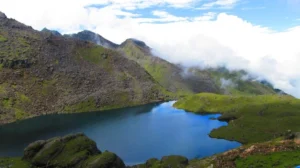
The route then returns through Lama Hotel before diverging toward Thulo Syabru and Sing Gompa, passing forests, traditional villages, and Buddhist landmarks. From Sing Gompa, the trail climbs to the sacred Gosaikunda Lake, surrounded by alpine scenery and smaller glacial lakes. This section offers some of the trek’s best viewpoints, especially around Lauribinayak.
If you’re crossing Laurebina La in late winter or early spring, expect snow and ice on the pass. Microspikes or a similar traction aid are worth carrying, even if the rest of the trail feels straightforward.
The final days descend back through Sing Gompa and Dhunche before returning to Kathmandu, completing a journey that blends culture, landscapes, and high-altitude experiences.
Cultural and Religious Significance of Gosaikunda
Gosaikunda is one of those destinations that immediately feels different the moment one arrives. Of course, it is an incredibly beautiful alpine lake, nestled high in the Himalayas. However, the moment one catches a glimpse of the small shrines on the shores of the lake, the prayer flags draped across the rocks, and perhaps even a sadhu sitting cross-legged in meditation, one quickly becomes aware that this is one place that means something much deeper to a lot of people. What is perhaps even more interesting is the fact that it is sacred to both Hindus and Buddhists, something that does not happen very often. This is what perhaps gives Gosaikunda an almost indescribable spiritual ambiance.
Mythological Importance of the Lake
The tale behind Gosaikunda, according to Hindu mythology, is one that all Nepalis have heard since they were children. It was said that during the churning of the cosmic ocean, a deadly poison called Halahala emerged and began threatening all of existence. In an attempt to save all living things, Lord Shiva intervened and consumed this poison himself, but it was so caustic that it burned his throat. He immediately struck his trident into the Himalayas, and water began flowing out of the Earth to form the lake now known as Gosaikunda. There is also an old legend that says water runs underground all the way to the Kumbheshwar temple in Patan, one of the holiest Shiva temples in all of Nepal. While you can believe or not believe this tale, it is interesting to have it in mind as you sit beside this lake.
Festivals and Pilgrimage Events
If you want to see Gosaikunda at its most alive, Janai Purnima in August is when it all happens. It is on the day of the full moon in the Nepali month of Shrawan that thousands of Hindu pilgrims and Shaivite sadhus trek up to the lake to take a holy dip in its icy cold water, believing it washes away all their sins and secures divine blessings for them for the rest of the year. Something is mesmerizing in watching pilgrims trek up the mountain trail barefoot, chanting prayers and carrying offerings for the gods. The Buddhist faith reveres this lake too, for it is connected to Guru Rinpoche, who is said to have meditated in this area. During the festival days, the whole area around the lake comes alive with devotion, color, and a kind of raw spiritual energy that you simply have to see for yourself.
Trek Insights
Accommodation and Food During the Trek
One of the best things about this trek, especially for first-time trekkers, is that you do not need to carry a tent or worry about cooking at the end of the day. The route is lined with teahouses, which are small family-run guesthouses where you can find a bed and a hot meal without prior booking in most cases.
The rooms are simple and usually include a bed, mattress, pillow, and blanket. Accommodation is generally comfortable in the lower villages, although facilities become more basic as you gain elevation toward Kyanjin Gompa and Gosaikunda.
Hot showers are available at many teahouses in the lower sections of the trail, usually for an additional fee. However, these facilities become less common at higher elevations. Although teahouses provide blankets, carrying a warm sleeping bag is highly recommended, especially during colder nights in the mountains.
The food on this particular trek is, honestly, better than people think when they’re planning to go. The Nepali staple, dal bhat, is available everywhere, and there’s a reason why people rave about this dish. After a long day, there’s nothing like a hot plate of dal bhat to get you through the night.
Then, there are noodle soups, fried rice, pasta, momos, porridge, pancakes, and a variety of hot drinks such as tea, coffee, and butter tea available in the Tamang villages, and that is something that is a must-try at least once. The only thing to note is that the cost of the food increases as you ascend, and that is understandable because, honestly, everything is carried up the mountain. It’s nothing too shocking, just something to keep in mind before you go.
Equipment and Preparation Guide
Let’s be honest, nobody wants to spend a trek shivering in the wrong jacket or dealing with painful blisters caused by unsuitable boots. Preparing the right gear before your trek can make a significant difference to your overall experience.
If you plan to hike to Tserko Ri, the trail rises above 5,000 meters, where weather conditions can change rapidly. While you do not need the most expensive equipment available, investing in reliable trekking gear is important for comfort and safety.
Layering is one of the most important principles of mountain trekking. Temperatures can feel warm under direct sunlight and turn extremely cold when clouds move in, or the sun disappears behind a ridge. Wearing multiple layers allows you to adapt to changing conditions and stay comfortable throughout the day.
Physical conditioning is just as important as what you carry, maybe even more. If trekking is not part of your routine, try to give yourself at least 6 to 8 weeks before you actually hit the trekking trail. You don’t have to be an athlete, but your legs, lungs, and knees will surely appreciate the physical conditioning you have been doing in the weeks leading up to the actual trekking adventure.
Altitude sickness is something that every trekker should take seriously if they are going to be above 3,500 meters. Regardless of physical condition, altitude sickness can happen to anyone. You should never miss acclimatization days, even if you feel great, and always keep in mind the golden rule in the mountains, which is to climb high and sleep low.
Packing List:
Clothing:
- Moisture-wicking base layer tops and bottoms
- Fleece mid-layer jacket
- Down jacket (essential for higher altitudes)
- Waterproof and windproof outer shell jacket
- Trekking pants (2 pairs)
- Thermal inner wear for cold nights
- Warm hat and sun hat
- Buff or neck gaiter
- Lightweight gloves and a warmer pair for higher altitudes
- Woolen or trekking socks (at least 4 to 5 pairs)
- Comfortable camp sandals or flip flops
Footwear:
- Sturdy waterproof trekking boots (well broken in before the trek)
- Trekking poles (highly recommended for steep sections)
Gear and Equipment:
- Sleeping bag rated to at least -10°C or lower
- Daypack (25 to 30 liters)
- Headlamp with extra batteries
- Trekking poles
- Sunglasses with UV protection
- Reusable water bottle or hydration bladder
- Water purification tablets or a filter
- Portable power bank
Health and Safety:
- Basic first aid kit
- Altitude sickness medication (Diamox; consult a doctor before use)
- Sunscreen SPF 50 or higher
- Lip balm with SPF
- Personal medications
- Hand sanitizer and wet wipes
- Blister plasters and moleskin
Documents and Miscellaneous:
- Passport and copies
- Trekking permits
- Travel insurance documents (make sure they cover high-altitude trekking)
- Some cash in Nepali Rupees (ATMs are not available on the trail)
- Snacks like energy bars, nuts, and dried fruits for the trail
Permits and Cost for Langtang Gosaikunda Trek
You need a Langtang National Park Entry Permit and any additional permits required under the current Nepal tourism regulations. Permit requirements can change, so verify the latest rules before your trek. You can get both in Kathmandu via the Nepal Tourism Board workplace on Pradarshani Marg or the TAAN office. Permit fees and regulations have changed several times in recent years, so it is well worth confirming current-day charges with the NTB or your hiking corporation simply before your trek. Carry physical copies of your permits on the trail, not just a photograph, because checkpoints close to Dhunche and along the route do test them.
The standard value depends on your travel style. Independent trekkers can expect to spend around 45 to 70 USD a day in 2026, including food, accommodations, and neighborhood transport. Hiring a certified, insured manual runs about 30 to 40 USD an afternoon, whilst porters usually price 22 to 30 USD a day. Many trekkers find hiring a porter worthwhile once the effects of altitude begin to set in.
For a totally organized trek, corporations in Kathmandu now offer 12 to 14-day programs ranging from around 1,000 to 1,700 USD per person for a trendy package deal with lets in, guide, porter, meals, and shipping.
Getting to the trailhead remains less costly. A neighborhood bus from Kathmandu to Syabrubesi now runs in the direction of 800 to at least one, two hundred NPR, depending on the bus quality, even as a private jeep costs around 10,000 to 15,000 NPR according to vehicle, especially in the high season.
If you’d like current availability and a price check before you book anything, Nepal Outdoor Expeditions can confirm 2026 rates for your dates over WhatsApp, no commitment needed.
Practical Travel Tips for Trekkers
Despite how much you plan for a trek like this, there are always going to be some small things nobody tells you about until you are on the trail, wishing someone had told you about them sooner. A small amount of practical knowledge before you set out can save you a lot of hassle, money, and discomfort along the way. These are not complicated tips, just simple, honest advice from people who have been down this trail and have learned a few things the hard way. These tips will help you have a much more pleasant overall experience.
- Always make sure you have enough cash in Nepali Rupees before you set out, as there are no ATMs once you are on the trail.
- Never skip your acclimatization days, no matter how well you feel; altitude sickness can strike at any moment.
- Always make sure you have travel insurance for high-altitude trekking and emergency helicopter evacuation before you set .out
- Start your days early on the trail to make the most of your days and avoid getting caught in clouds/rain in the afternoon.
- Consider hiring a guide if you can; not only will it be safer and more interesting for you, but it will also help support the families who live along this trail.
- Ensure your travel insurance covers trekking above 5,000 meters and emergency helicopter evacuation in Nepal.
- Mobile coverage from NTC and Ncell keeps enhancing, but is still patchy in parts of the valley and around Gosaikunda, so download an offline map before you start and do not assume a steady signal.
- Most professional trekking companies carry a pulse oximeter and a fundamental first aid kit on the trail, and impartial trekkers must remember sporting one too.
FAQs
How difficult is the Langtang Gosaikunda Trek for beginners?
It’s a slight trek, but it is achievable for most beginners with affordable health. Daily walking times typically range from 5 to 7 hours with a mixture of climbs and descents, and altitude is the larger project right here, now, not the terrain itself. Take your acclimatization days seriously, stroll at your very own tempo, and most first timers take care of this path just first-rate.
What is the best time of year to do the Langtang Gosaikunda Trek?
Spring (March to May) and autumn (September to November) are the pleasant seasons. Spring brings blooming rhododendrons and warmer days, even as autumn offers the clearest skies and most stable weather of the year. Weather patterns have become slightly less predictable in recent years, so test a quick variety forecast earlier than you place out.
How high is Gosaikunda Lake, and is altitude sickness a concern?
Gosaikunda sits at 4,380 meters, and yes, altitude illness is a real challenge at that peak regardless of fitness level. Ascend slowly, by no means pass acclimatization days, drink masses of water, and avoid alcohol when you’re above 3,000 meters. If signs and symptoms feel serious, descend properly away as opposed to pushing through.
Do I need a guide, or can I trek Langtang Gosaikunda independently?
You can trek independently since the path is nicely marked, but a neighborhood guide is, without a doubt, really worth it. A guide handles navigation, reads mountain climate, and might spot altitude illness early, on top of placing earnings immediately into the communities along the route.
What permits are required for the Langtang Gosaikunda Trek?
You need permits: the Langtang National Park Entry Permit and the TIMS card, both to be had in Kathmandu at the Nepal Tourism Board office or through your agency if you’re booking a package deal. Carry the bodily copies on the path, given that checkpoints do check them, and confirm cutting-edge expenses before you journey, given that rules have shifted a few times in recent years.